Sequential Melting of ABS, Polystyrene, and Polyethylene Microplastics on 8000 nm slit nanomembranes
Thanks to Ian Krout for the data.
As covered in our last post, we hope to distinguish between different kinds of microdebris caught on silicon nanomembranes through the material’s different melting points. Plastics can have a wide range of melting points, depending on the ratio of plasticizers and backbone that compose the material.
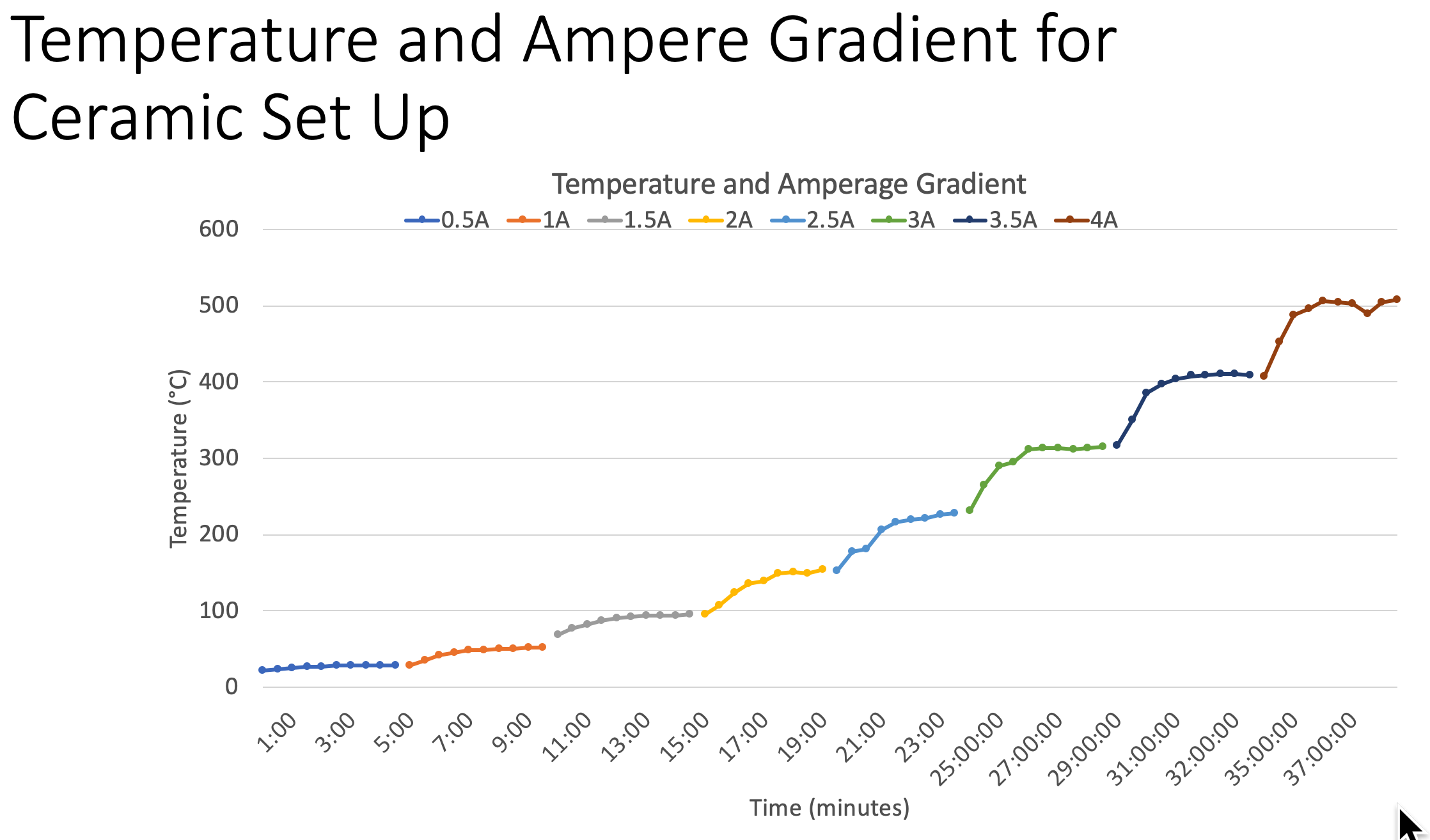
The additional videos show a melting gradient of plastics composed of different polymers to show that we can determine plastic type using the in situ heating method. To perform this test I created microscale plastic particles by use of sandpaper and filtration of ABS (from a lego) and polyethylene (probably mid-high grade, from a pipette tip). These plastics were chosen based on their availability in lab and range of melting points. ABS melts around 105°C, the Polyethylene (assuming medium to high grade) melts around 194°C and the Polystyrene around 240°C. We then filtered 500 ul ABS, Polyethylene and the polystyrene beads through a single 8 micron filter. On that filter we now had the three different plastic types, with characteristics for me to determine which one was which visually (ABS -> yellow fragment, Polyethylene -> clear fragments, Polystyrene -> beads). We then placed the filter on the heating unit under the scope and manipulated the Amps coming through to get to the temperature we wanted. I first melted the ABS without melting the two other plastics. Then melted the ABS and Polyetyhlene while leaving the beads, doing so to find the Amps needed to get each to melt. Finally, I stepwise changed the Amps to hit each of the melting points individually. The video shows each melting sequentially with a slight overlap in the ABS and Polyethylene. Interestingly it seems as if they all melting differently. The ABS melts first but never fully goes away, just sort of creates a dark small ball. While the Polytethylene melts after this, it goes through what appears to be two stages. It melts into a puddle, and with rising heat eventually looks to evaporate off, leaving just green residue. Finally the beads seem to fuse and create glass like balls, but again never fully disappear (unless they are in a slot and flow through).
Note: I’m using Adobe Premier CC to edit and stabilize the videos in one step, rather than using FiJi to align the image sequence.
Our original video from last week (10x speed, re-encoded):
20x Speed
20x Speed:
20x speed:
This shows that using the designed in situ heating method we are able to determine the make up of the plastics within a sample. Further work is going to need to be done to really adapt this to tell us the exact polymer make up, but as it stands, this is a great tool to determine if a sample contains plastics, and roughly the polymer of that particular plastic based on at what temperature it melts.