HUVEC-ADSC Co-Culturing on Membranes
In response to last meeting:
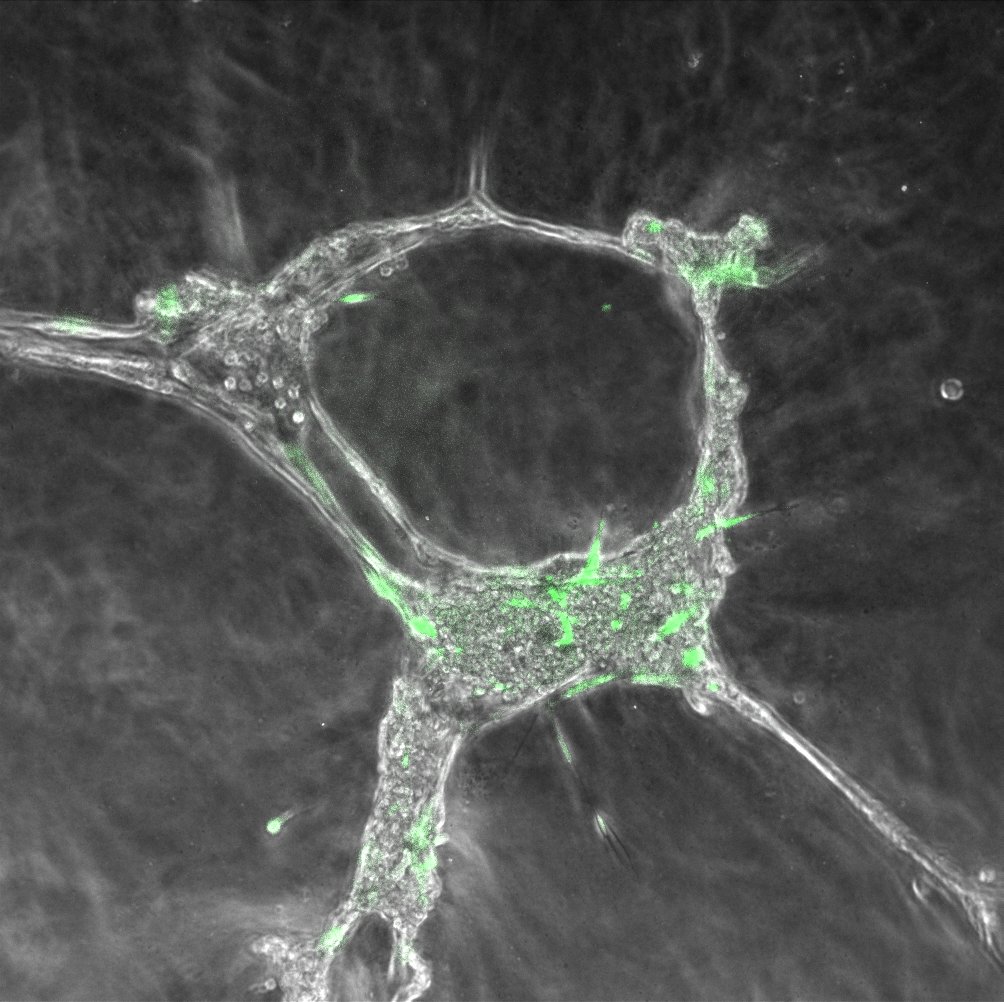
We tested more controls to help support our idea that the ADSC are migrating toward HUVEC network and prematurely breaking them down. We used a 100% Geltrex coated cytovu gasket to test if ADSC are attracted to something in the Geltrex causing them to migrate. The ADSC did not migrate even after 4 days, but have been in HUVEC-ADSC co-cultures by 24 hours, so we still believe the ADSC are attracted to the HUVEC networks.
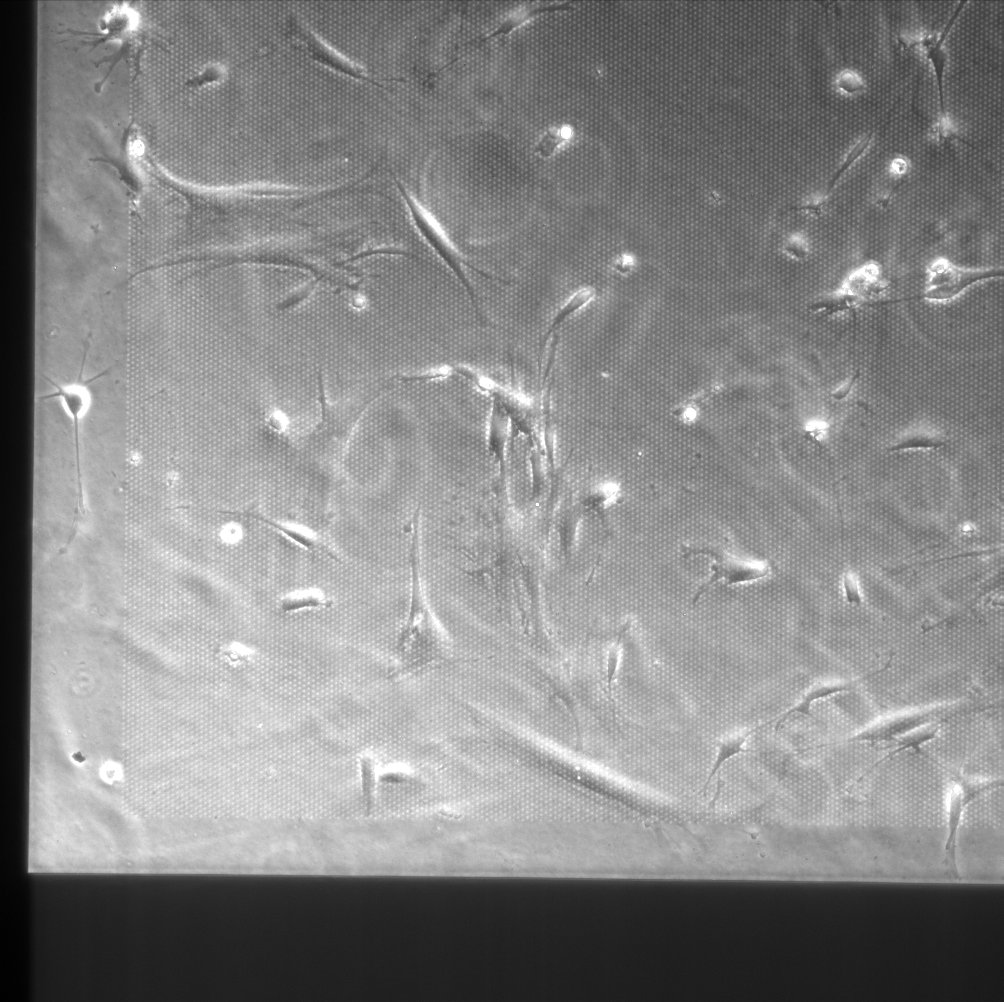

We also attempted changing our Geltrex protocol, looking into a way to seed HUVEC on the underside of the membrane. We used 1%, 10%, and 50% solutions, 1% and 10% solutions with 100% Geltrex on top, and mixing cells in 100% Geltrex while seeding them, Unfortunately, none of these ideas worked and only 100% Geltrex showed the networking we were hoping for.
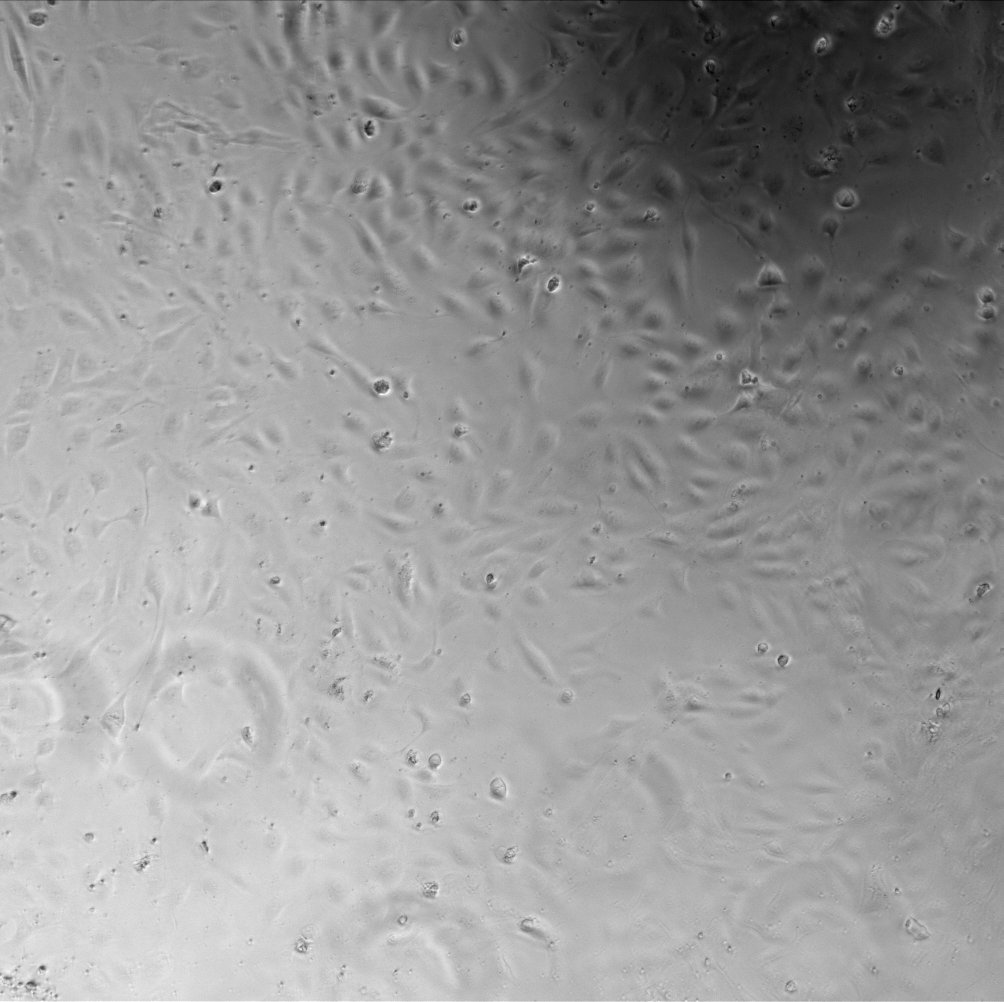
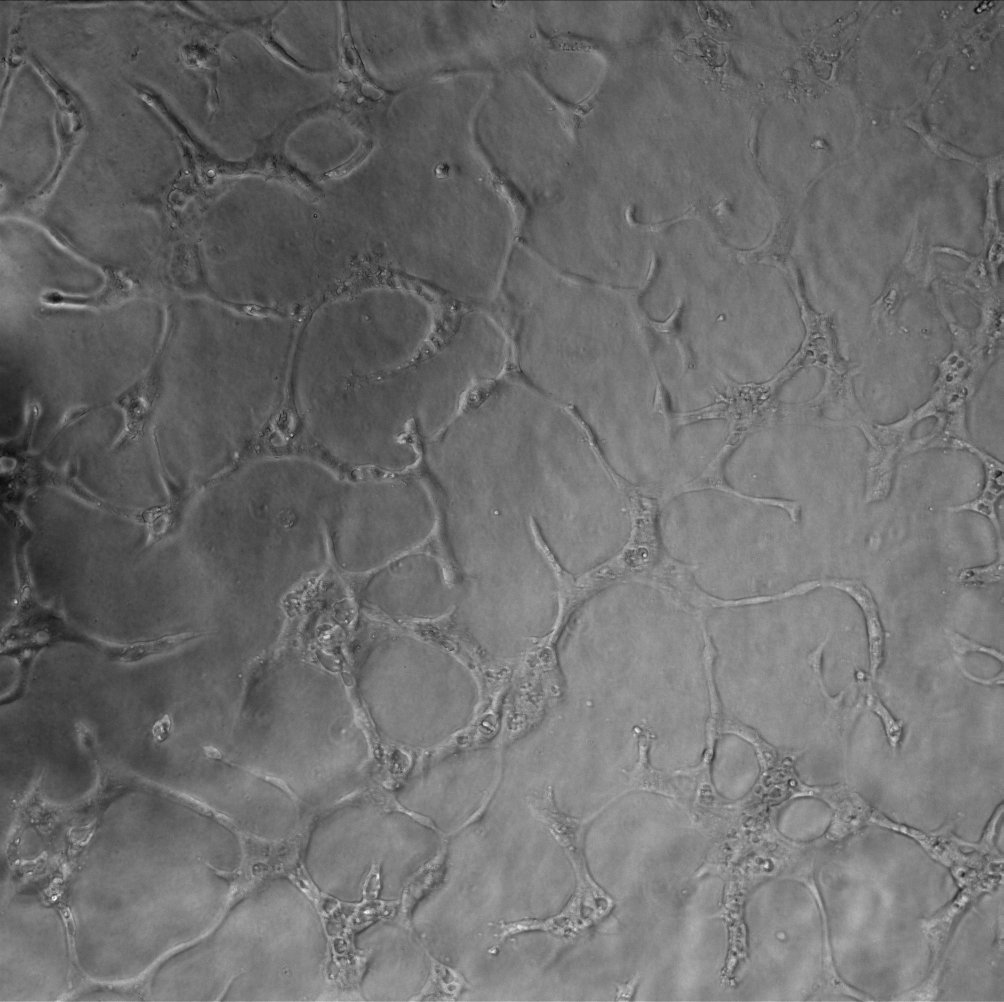


During co-culturing experiments, we noticed that not all cells are migrating through the membrane. We believe this is because not all the ADSC are the pericyte-like type. To test this theory, we attempted to pre-differentiate the ADSC to push them toward the pericyte-like cells. This did not work, as there was still a significant cell monolayer away from the HUVEC network.
We also performed a delayed co-culture on both 0.5 um HP and 3.0 um HP membranes. We wanted to see if HUVEC networks would last longer alone, or with a 4 hour delayed addition of ADSC. We were also testing if ADSC crawling through pores affected networks differently than ADSC that are farther away and if ADSC were simply crawling toward the Geltrex. I created 6 cytovu wells with 1 mm gasket, 3 with the 3.0 um HP membranes and 3 with the 0.5 um HP membranes. I then coated each of them with 10 uL Geltrex and put them in the incubator for 30 minutes. I seeded HUVEC in the Geltrex and added water to the outside wells for humidity. After 4 hours, I seeded ADSC under the membrane and inverted the plate in the incubator for 1 hour. After 1 hour I flooded the wells with CEC media. Pictures were taken at 24 hours, 48 hours and 4 days. HUVEC form networks in all situations, but they persisted longest in HUVEC alone. The ADSC did crawl toward the HUVEC network on the 3 um HP membrane, and there were none on the 0.5 um membrane. The ADSC did not crawl to the Geltrex. The 3.0 um HP co-culture had clumps around the branch points of the network. This seems to be a consistent finding in the HUVEC-ADSC co-cultures.