Thermal Stress and NPN Tent Transfer
From my last two posts (Anodic Bonding, Ozone Bonding), it is clear that we have some sort of bonding going on between the freestanding membrane and the posts intended to support the membrane. However, we do not understand the nature of the transfer. To gain more insight into this process, I took more SEMs of freestanding membranes that have transferred over to the oxide spacer layer. Previously, I used ozone bonding to get bring the membranes into contact, where the highly charged surfaces will draw together into contact. The following SEMs are of my attempts using the Anodic Bonding setup (1 hr, 500 C hotplate, ~220 C surface Temp, 700 V). I previously observed that the freestanding regions transfered over, but there was no bulk bonding between the two surfaces. These are all 45 degree views

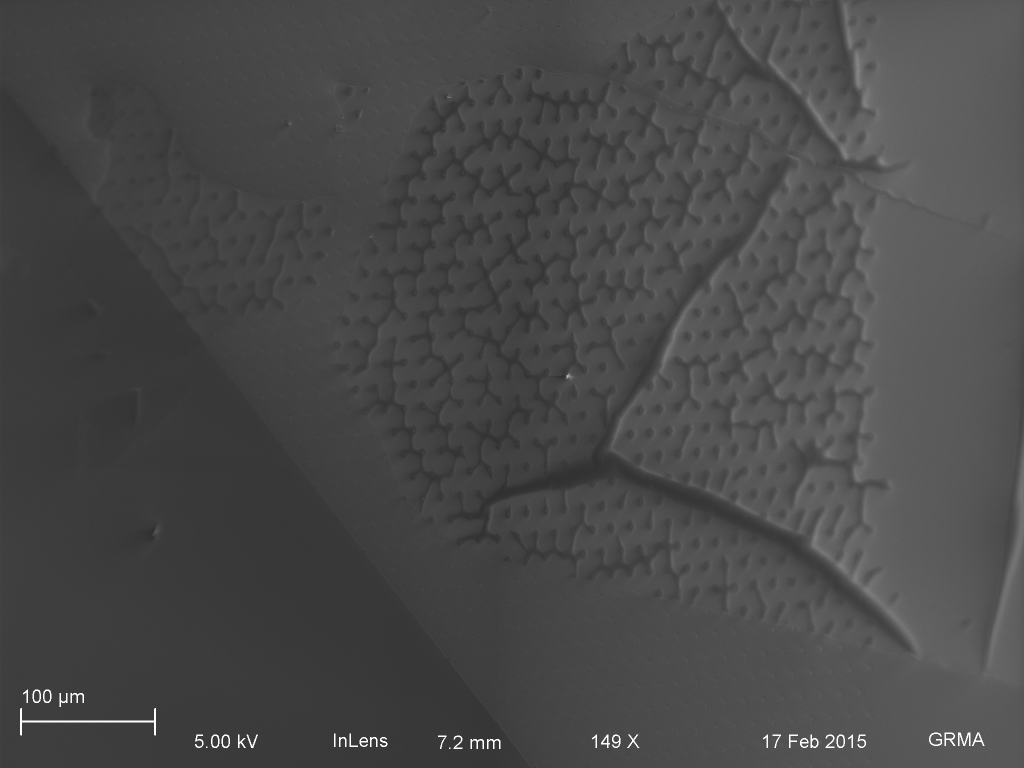
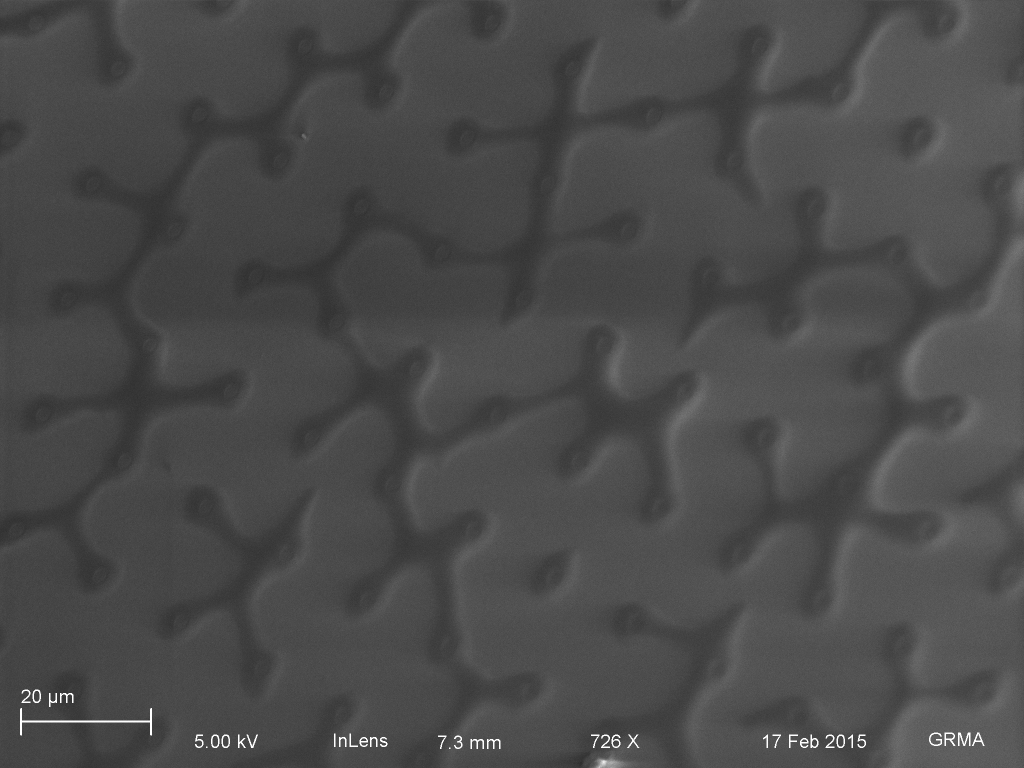
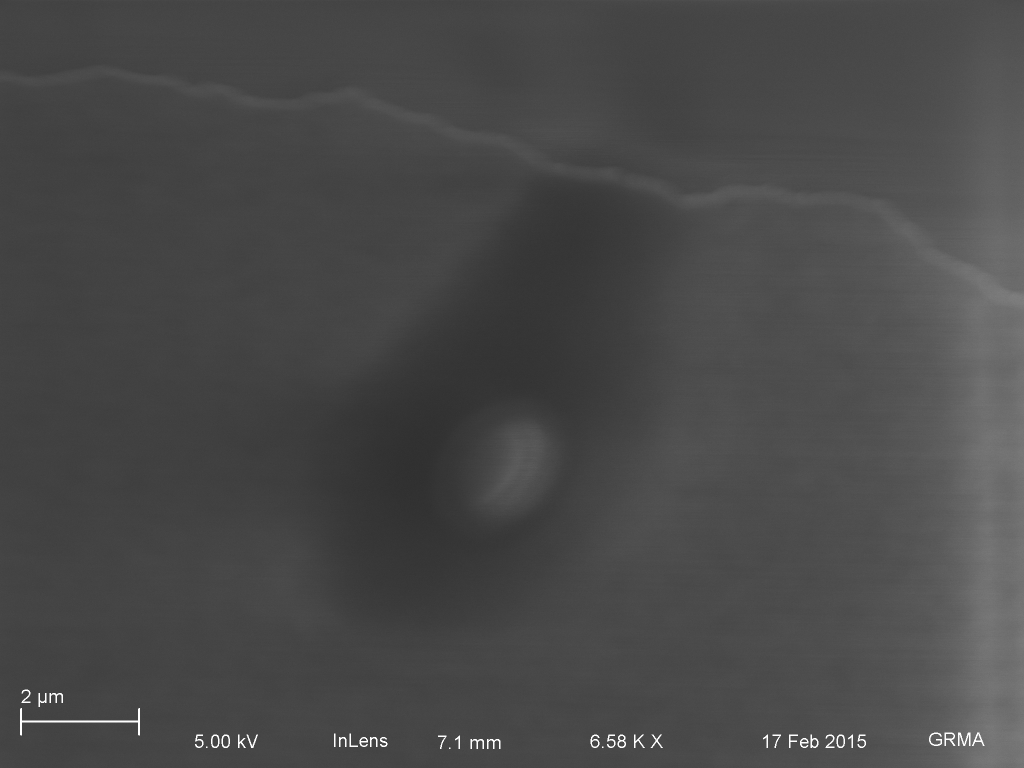
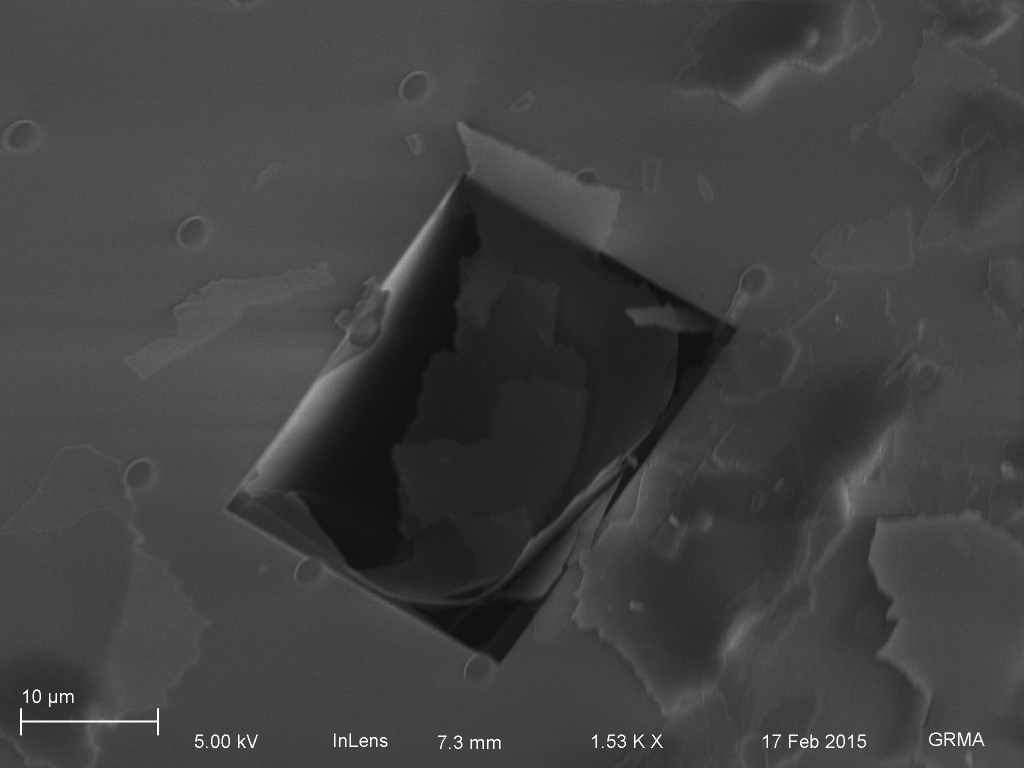
To test whether it was the heating or the voltages producing these wrinkled structures, I heated some chips on a hot plate (400 C, 1 hr, 7-17 Pa contact pressure). Membranes were transferred over much like in the anodic bonding and ozone bonding treatments. These images are all flat.


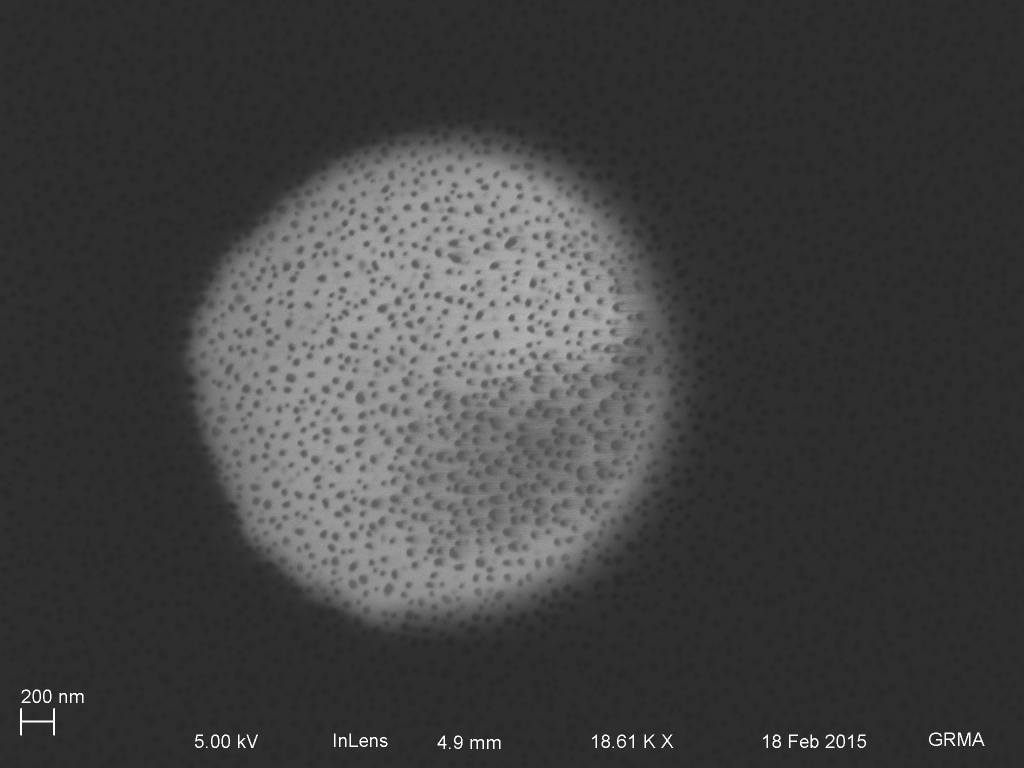

So it appears the heat alone can cause the membrane to shrink wrap. I was curious to see if a larger tented scaffold could transfer and keep the tent open. I used my old BBB-chip and anodically bonded it to a coverslip. This chip has a 50 nm nitride hex layer on top of a pnc-si membrane. I put the nitride grid in contact with the coverglass (1000 V, 500 C hotplate, 40 minutes), and watched the membrane delaminate from one side of the chip to the other (unzipped). Here are the SEMs of the transfer:
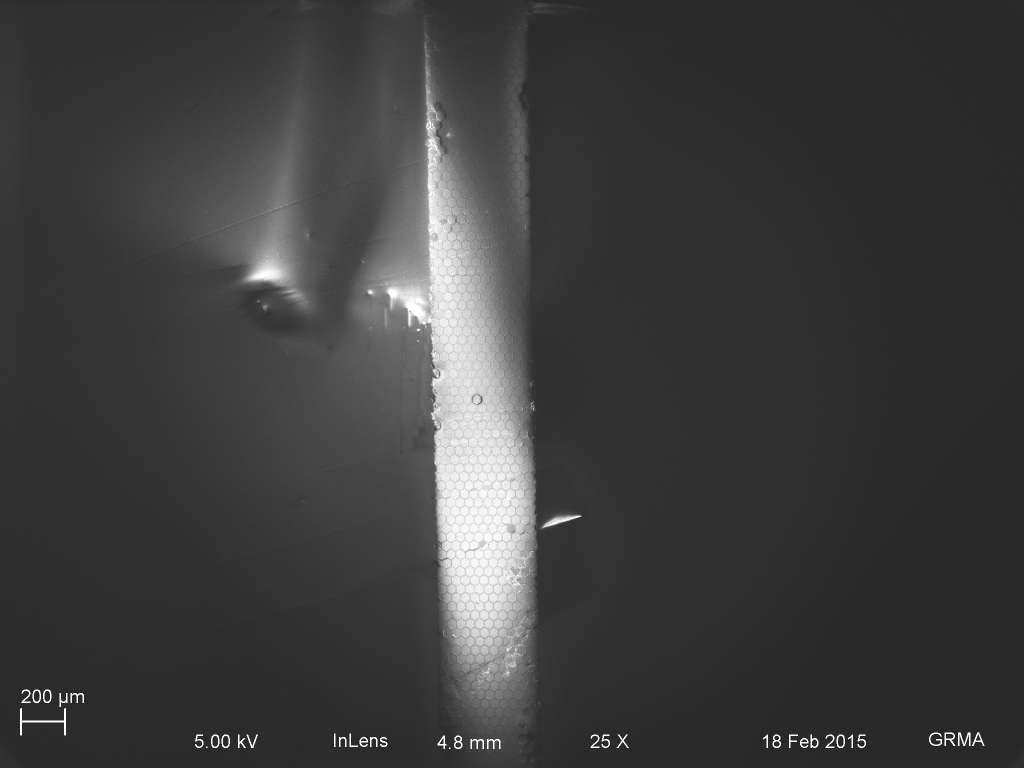
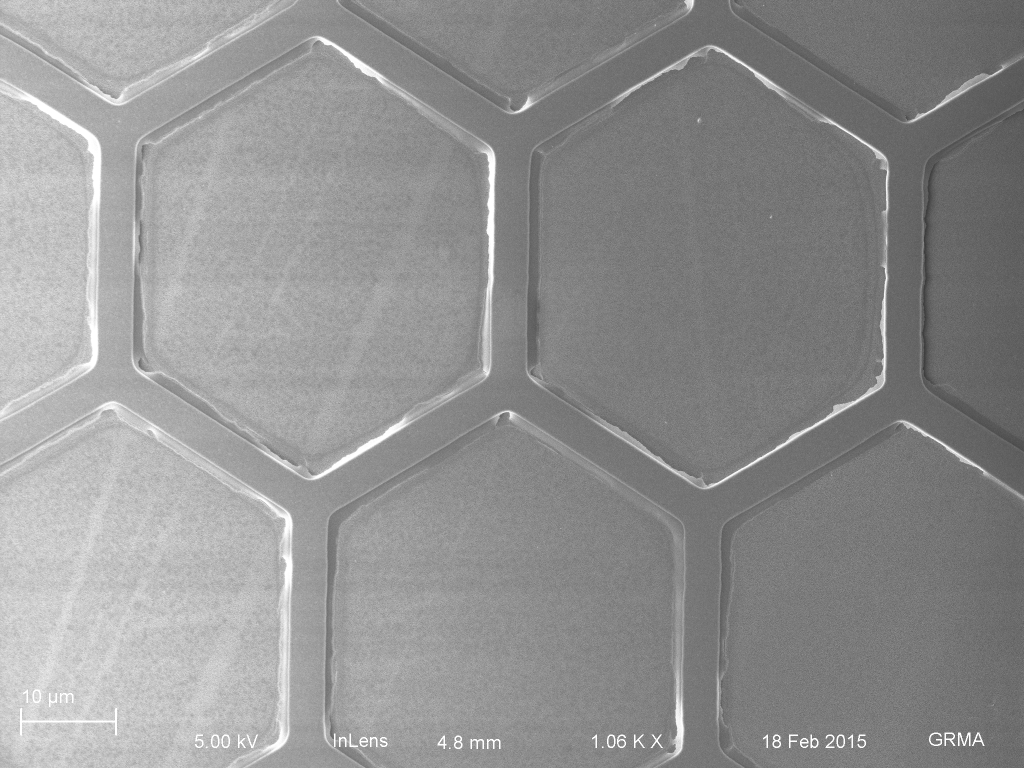

Based on these images, we should consider lower temperature bonding, with some mild contact pressure, to minimize the heating and shrinking of these layers. I believe if we can make the film stack with higher density post spacing, we should be able to suspend the nanomembranes over any smooth surface. The major question is whether or not the space inside the tent can be wetted and have the membrane remain intact.