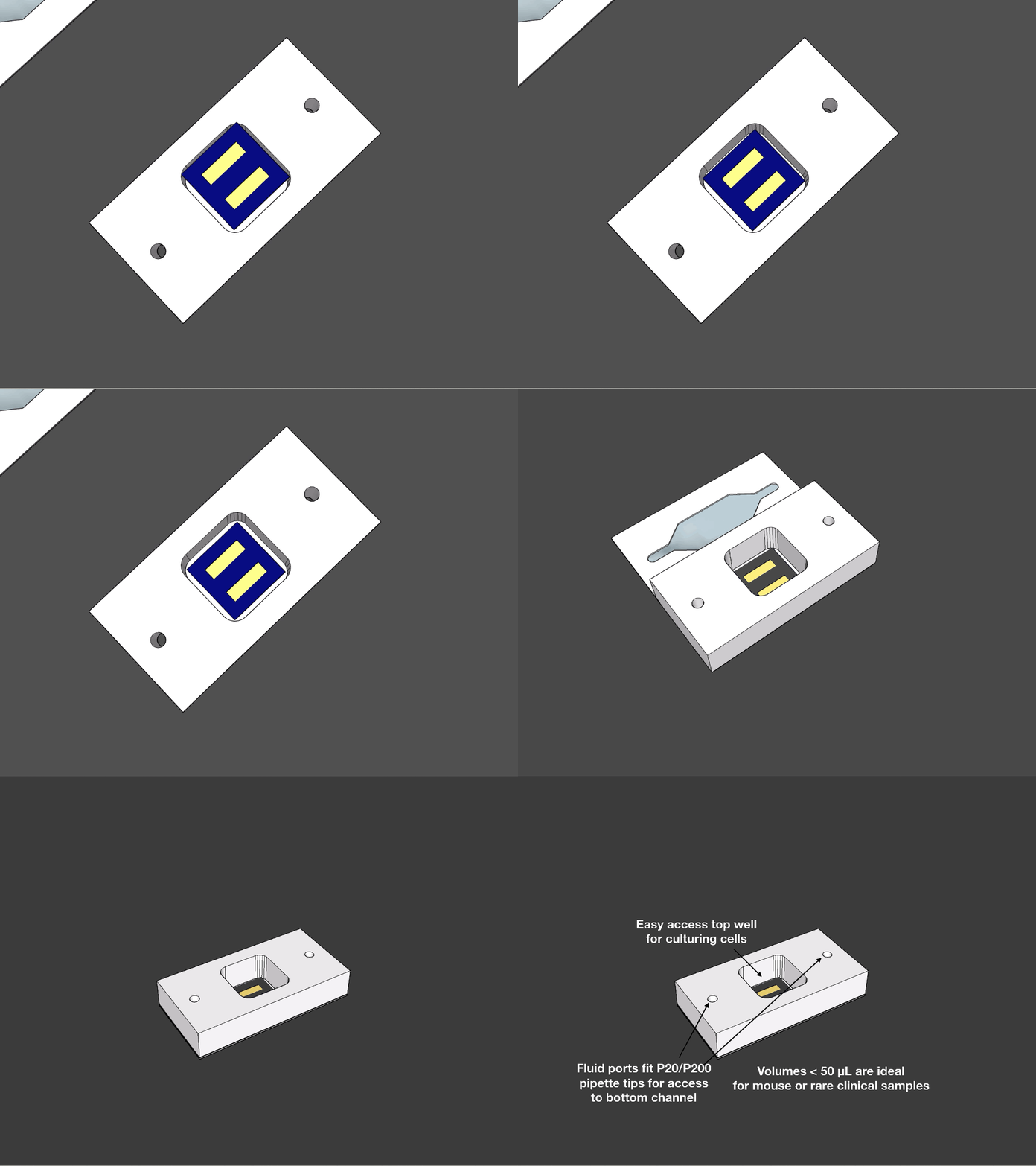
Modular assembly of the µSiM
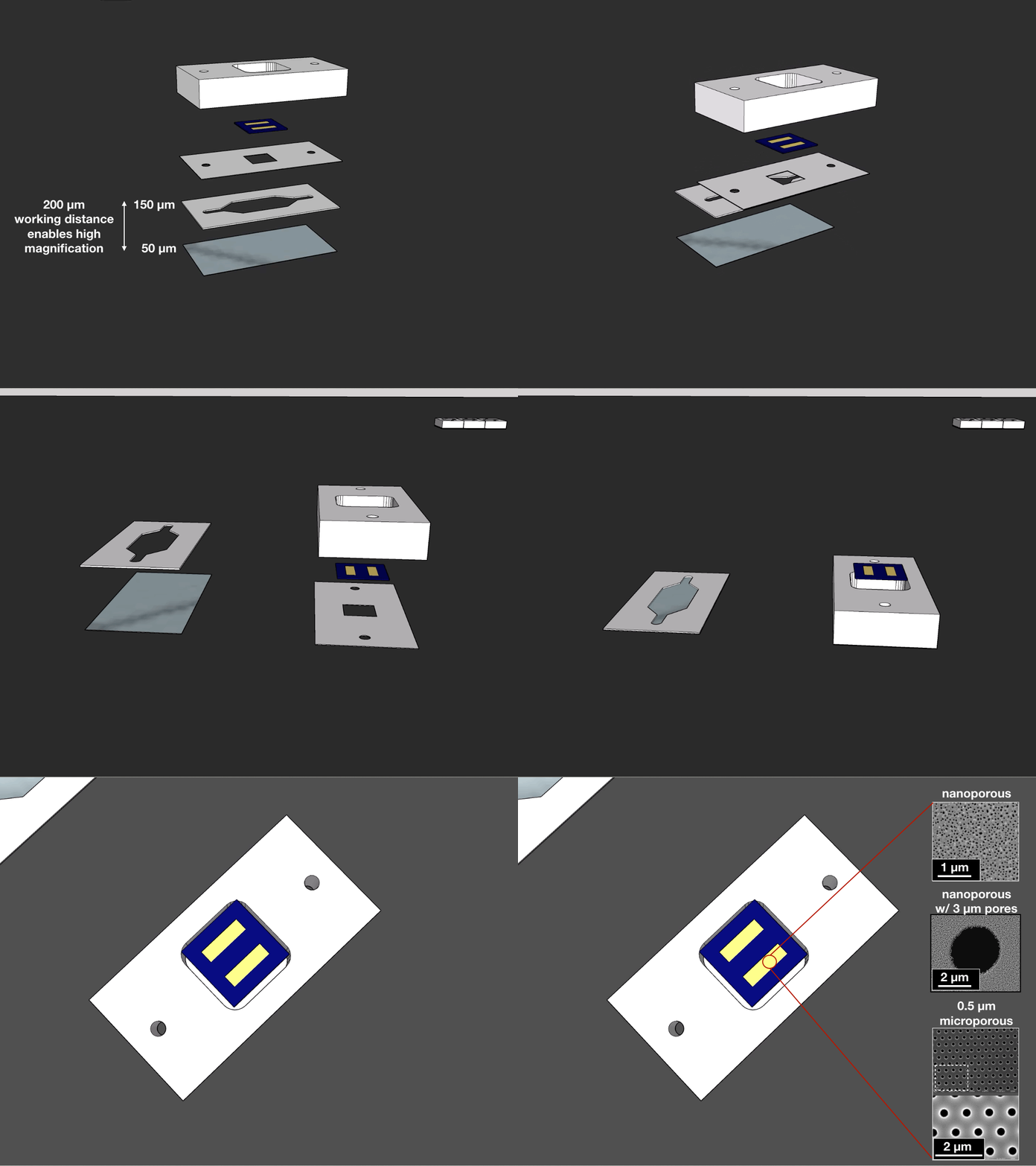
Design and Manufacturing Plans from Aline: 2019-09-23 Rochester Assembly Step by Step
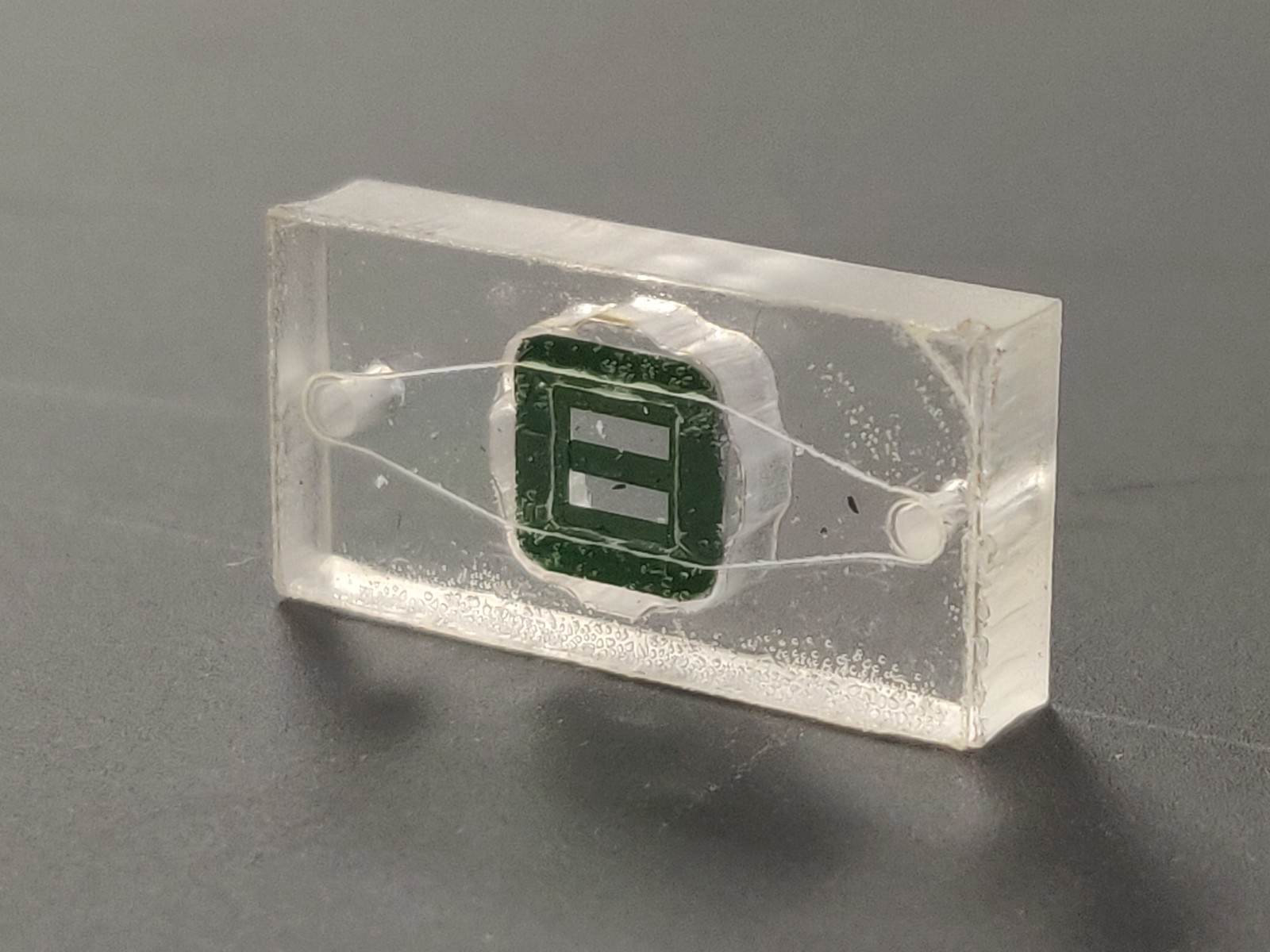
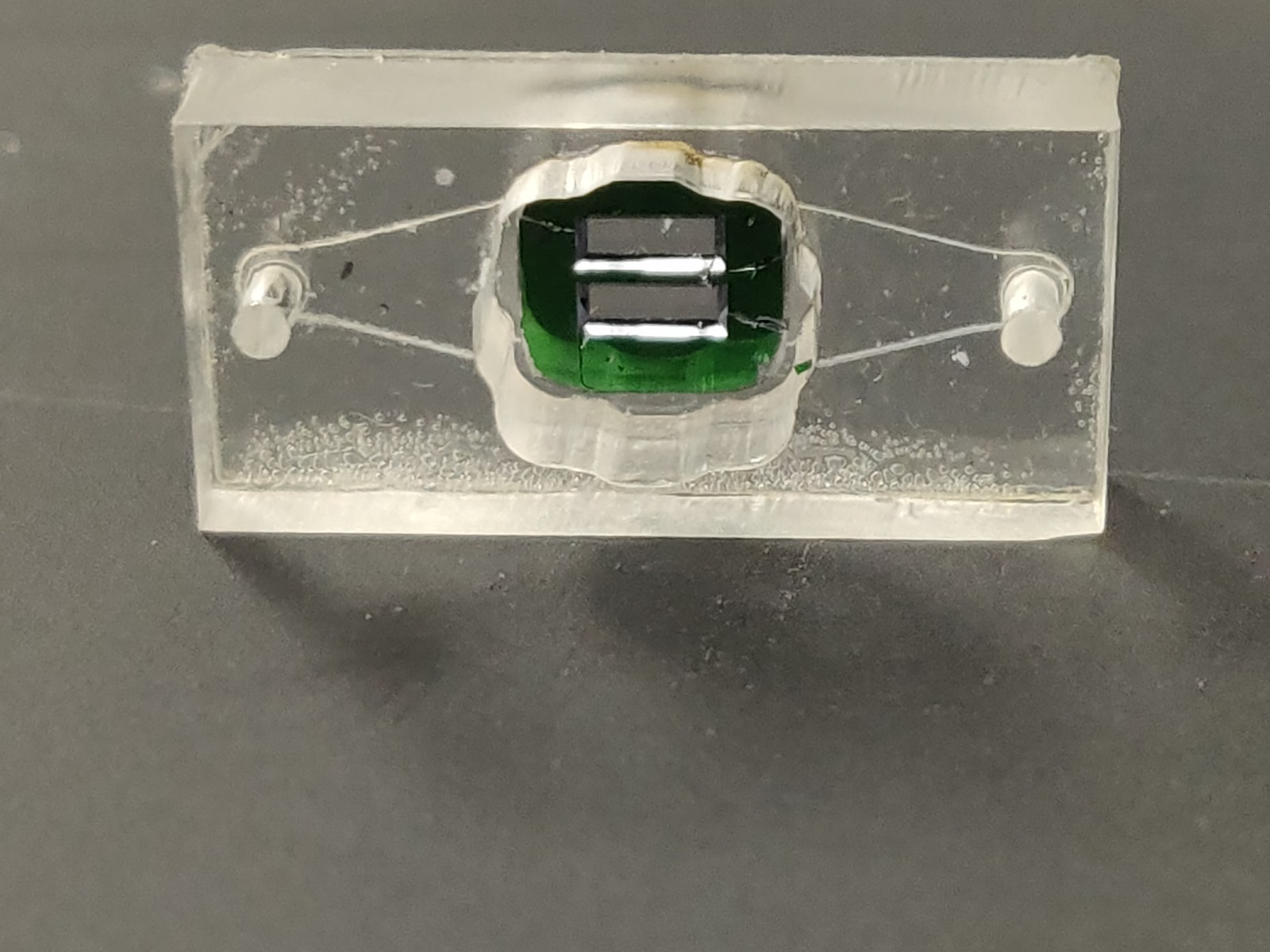
Prototype Runs @ ALine
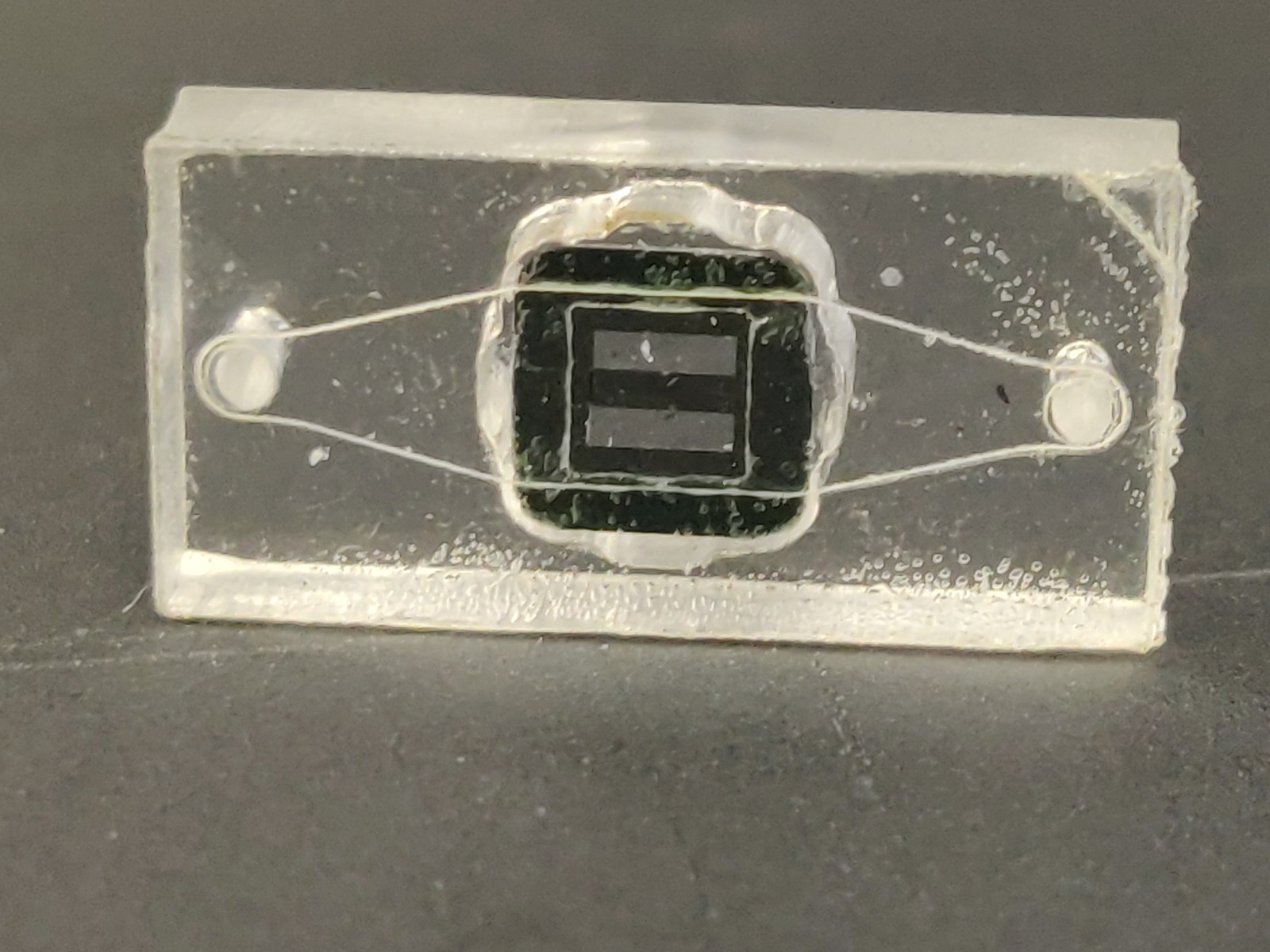
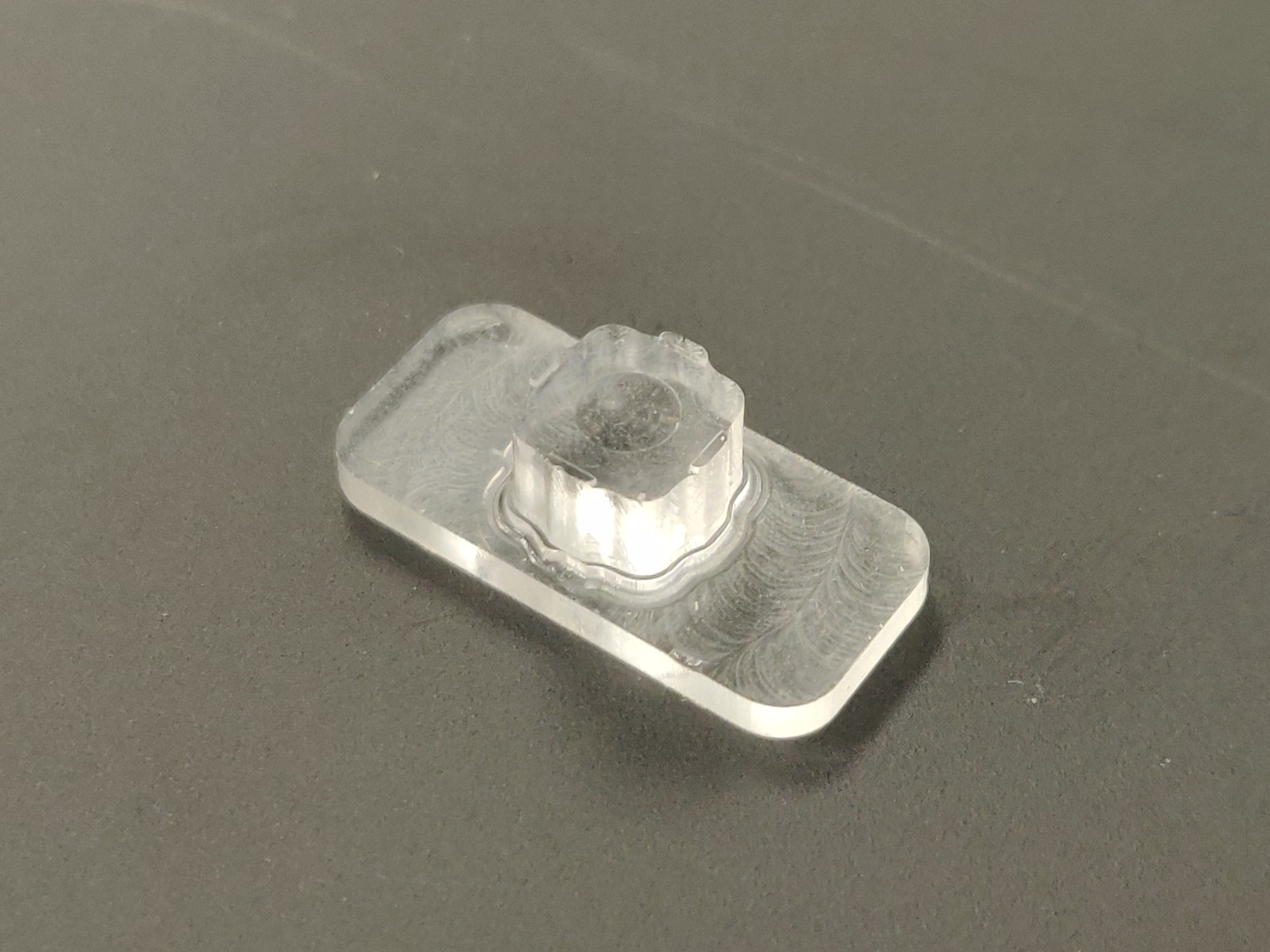
Post-fabrication assembly (cutting with lower power to eliminate bubbles) …
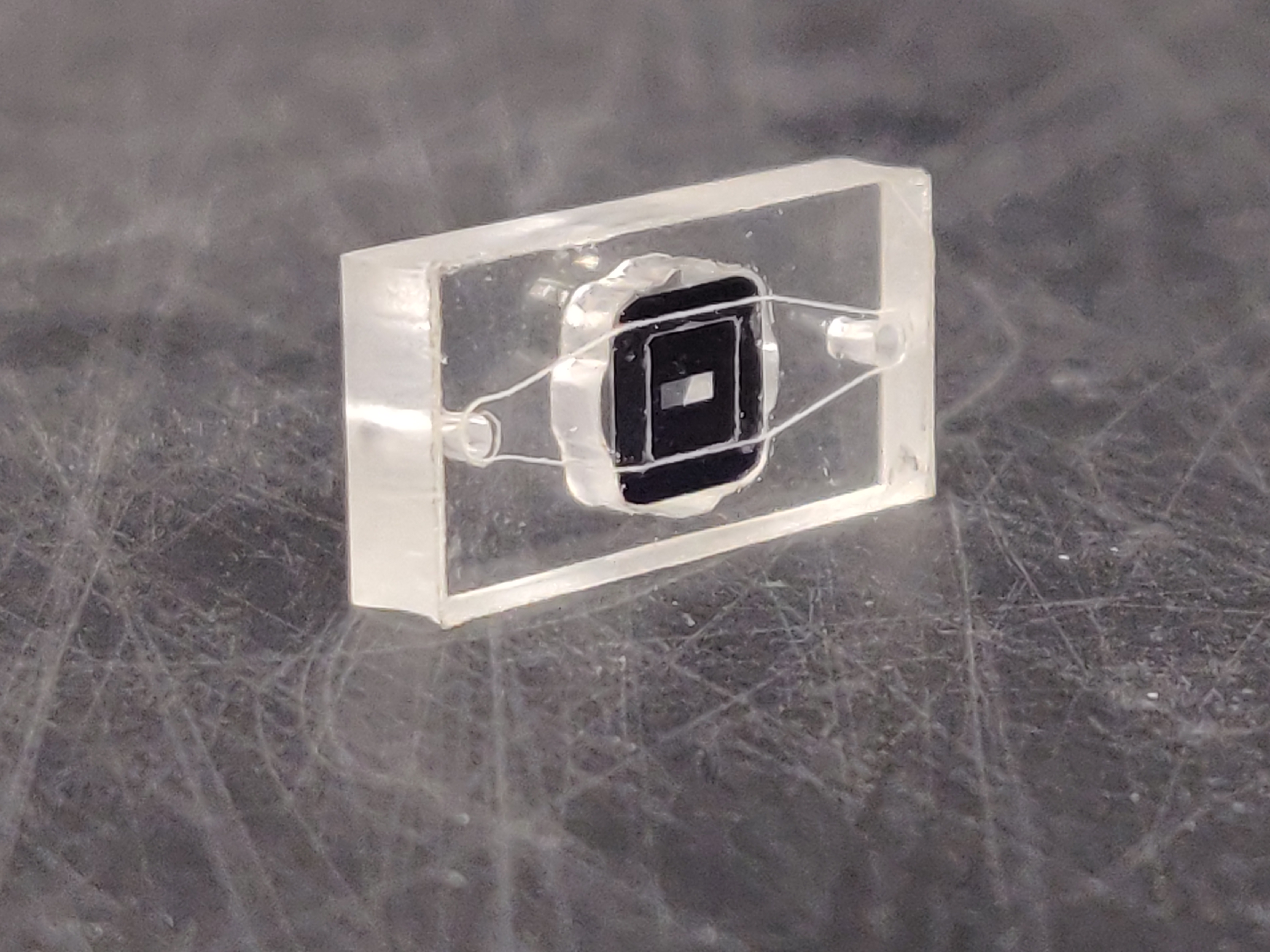
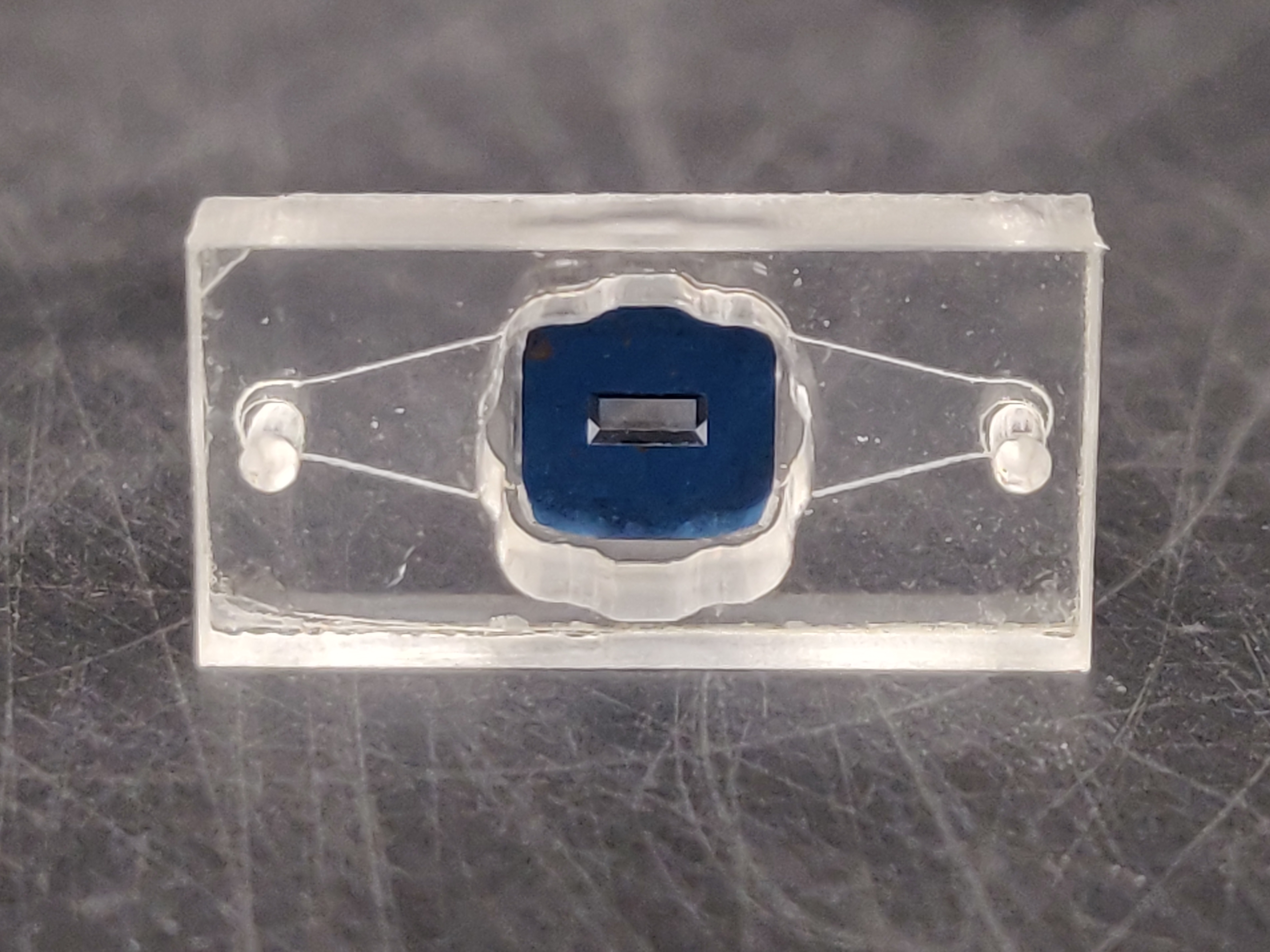
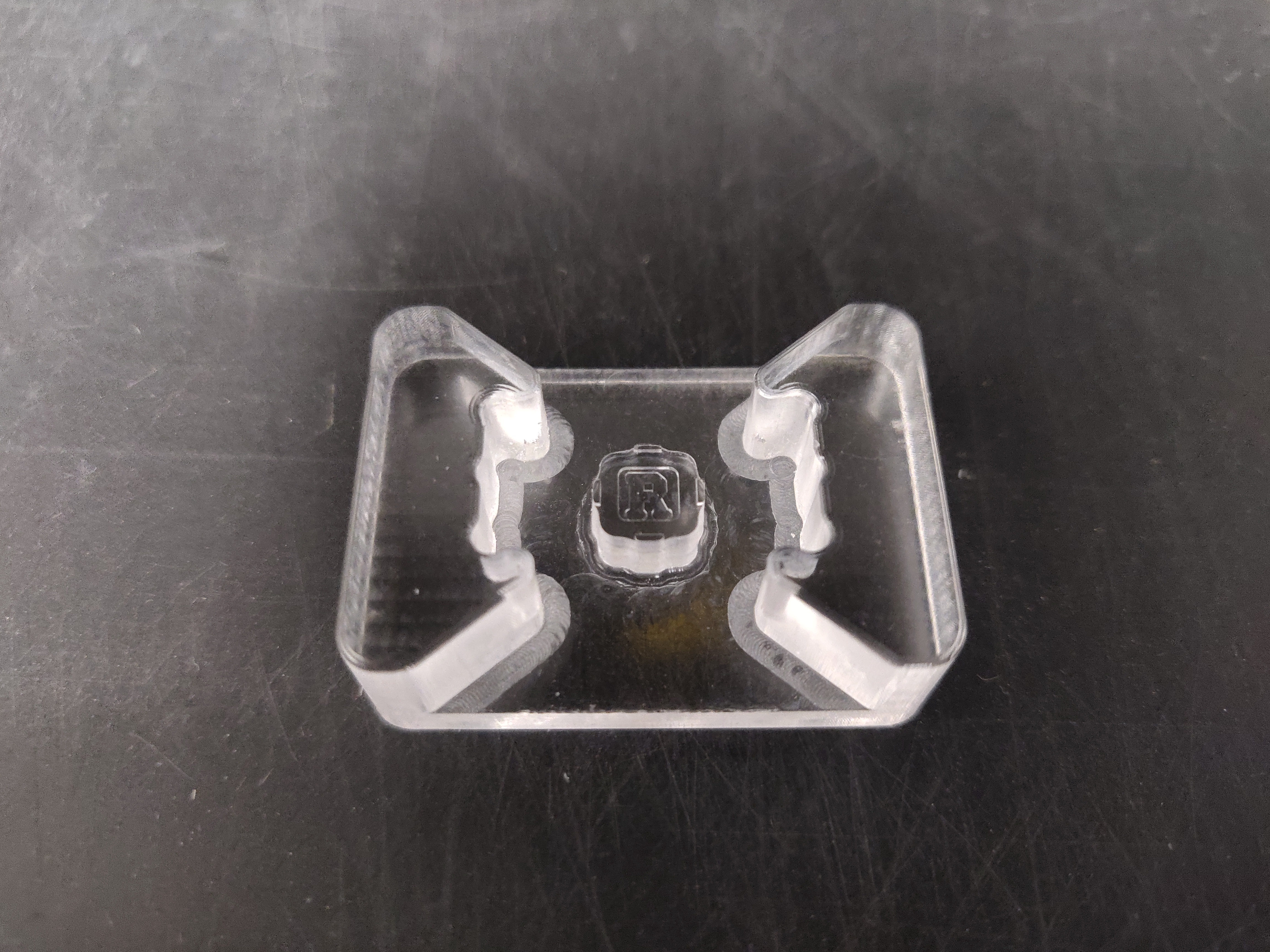
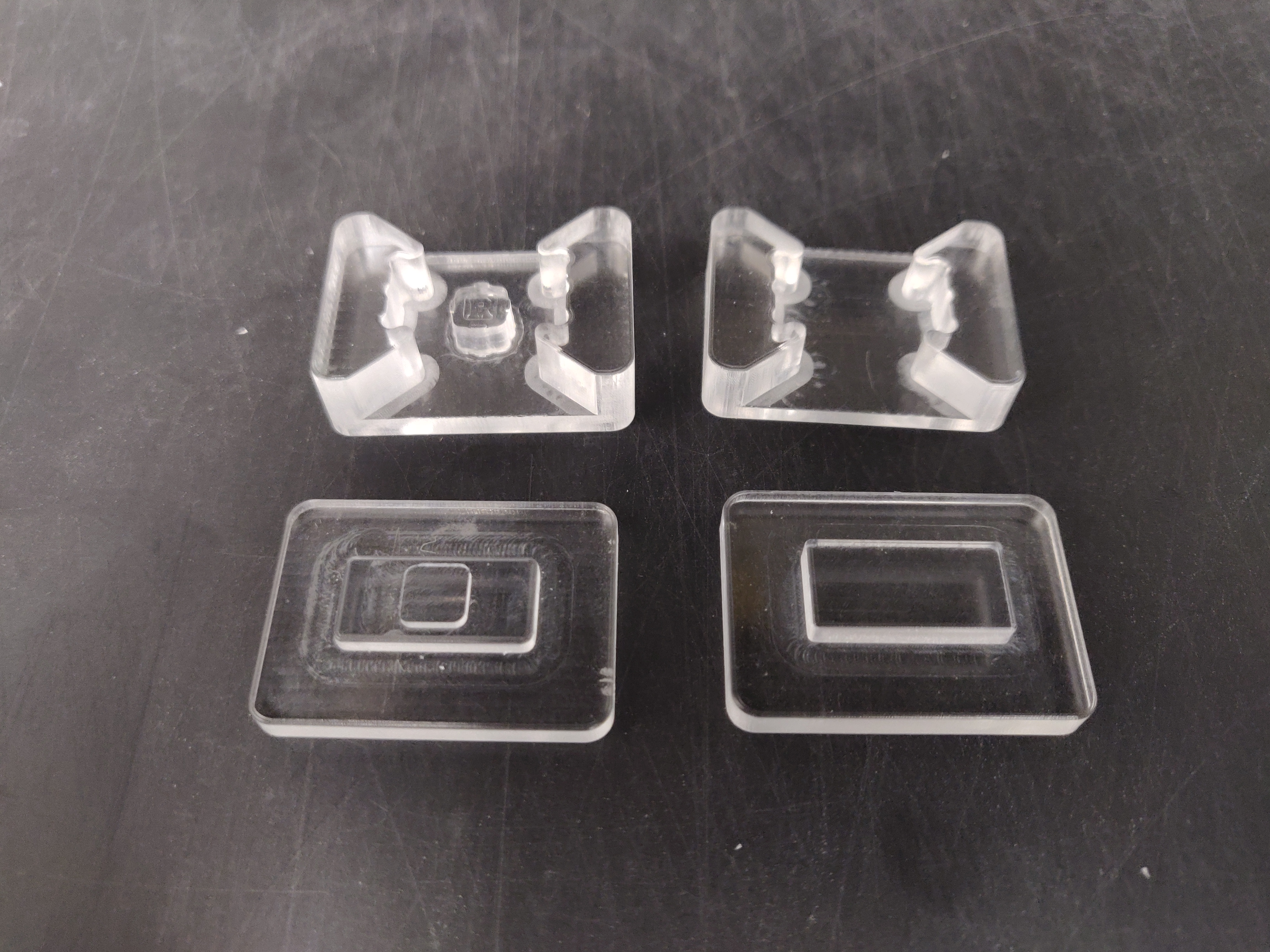
Design and Manufacturing Plans from Aline: 2019-09-23 Rochester Assembly Step by Step
Prototype Runs @ ALine
Post-fabrication assembly (cutting with lower power to eliminate bubbles) …
This is the third set of studies to assess the hemocompatibility of pncSi. It aims towards a quantitative analysis of the formation of the complement protein C3a in the blood upon interaction with pncSi surfaces. Biological Motivation: Complement proteins help the functioning of the innate immune systems in clearing away the pathogens from the organism,…
Introduction: After meeting with Tucker, he showed me the experiment he conducted to induce membrane transfer to, supposedly, any kind of surface. The method he used was initially with breath, and then he passed on to deionized water vapor. The results were not satisfactory because of the wrinkles on the membrane and not much uniformity…
Today I brought membranes and the streaming potential device to David Borkholder’s lab at RIT. His students and I set up an initial low voltage experiment. They will continue to test the device for flow rates and back pressures. Here is a list of methods and results from today: SC 214, RTPed but not oxidized,…
In my previous post, I mentioned that the EA treated chips showed decreasing contact angles after their storage in water in contrast to gel-pack or vacuum container. However the EA treatment was 4 days old, and I lacked adequate controls. So this time, I chose smaller time durations to understand if this phenomenon can be…
As seen in prior NRG post, ozone treated samples recover over about 24 hours. However, recent experiments at Gaborski Lab show high variability when using the Corona wand to treat samples with ozone. The goal of this experiment was to determine the contact angles of PDMS samples when exposed to ozone treatment. PDMS samples were…
I have wondered if it were possible to create free-standing, nanoporous nanomembranes out of other materials (rather than my MgF2 process). The process is general enough that it should work. The major factors are Etch Selectivity between the substrate and the deposited material Film Mechanics (some films tear themselves apart due to the relative sizes…