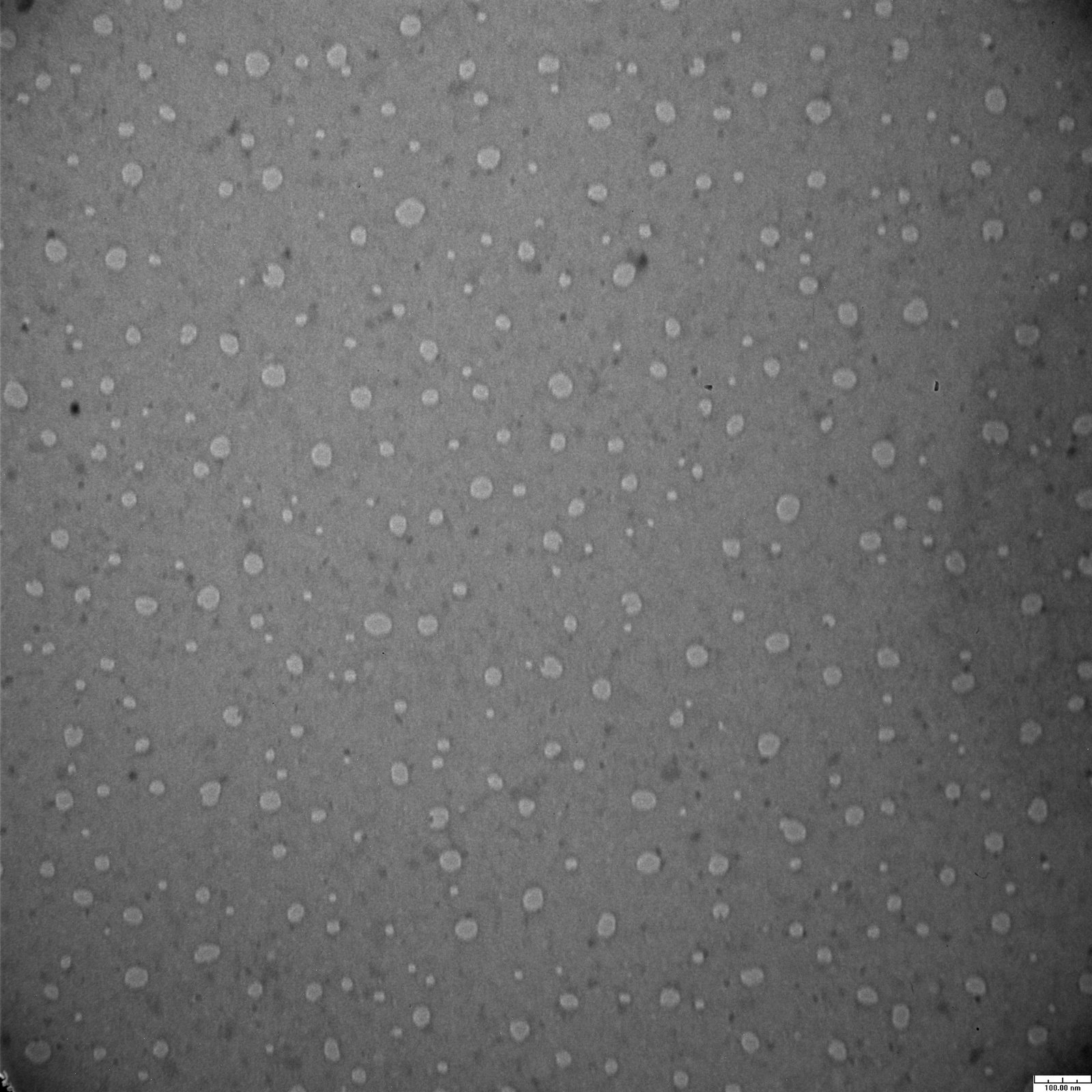
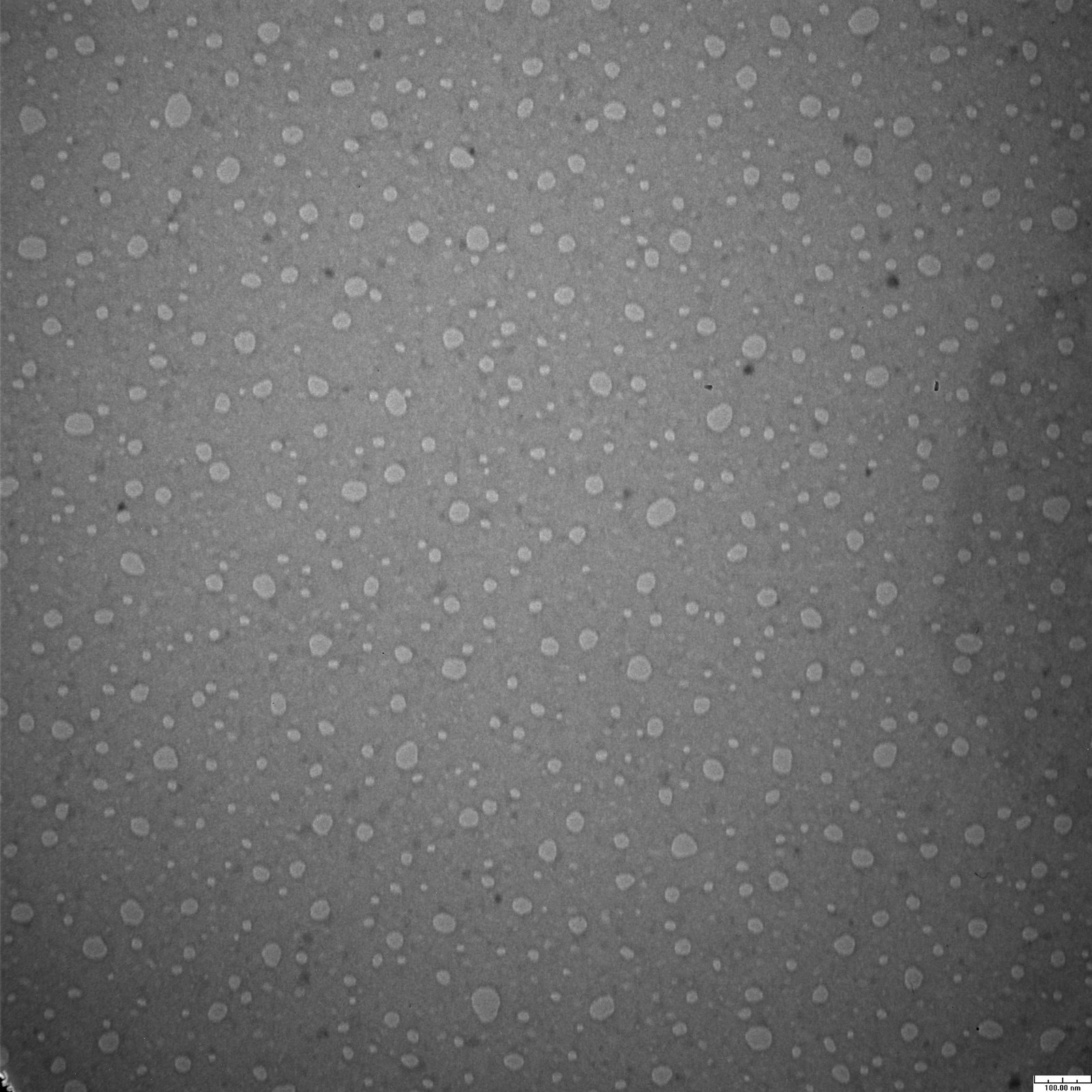
Uniformity!
Wafer 403 was processed last week using the new thermal oxide/TEOS steps outlined in the previous posts. I took images from six positions at different radial positions on different axis. All six samples looked relatively uniform!
One of the points I’d like to discuss in my co-culture paper is the advantageous imaging qualities of pnc-Si compared to ‘translucent’ commercial transwell membranes. This has been evident in many of my posts of Live/Dead stained cells, even at 20X. I thought a higher resolution (100X) image would emphasize this point even more since…
In our study of endothelial fibronectin fibrillogenesis and FA formation on microporous SiO2 membranes, we decided to investigate whether the pore orientation and pore spacing induced FA formation and therefore F-actin alignment. (Note: we updated our last post on FN fibrillogenesis here.) Spencer and I have been busy analyzing data and making figures. It has…
Chris gave me a few wafers to look at with AFM – an oxide sputtered in the recently cleaned chamber and VA Semiconductor wafers cleaned with “Normal Power” or “Full Power” Megasonics. I employed a couple of new “tricks” to help with the imaging this time. All of these scans were taken almost entirely in…
I am trying to create ITO electrodes for my microfluidic device for TEER measurement system. In my previous posts, I have shown that silver/silver chloride electrode, which is most commonly used in most commercial TEER systems, had killed the cells when grown with the electrode. So Greg and I were trying to optimize the recipe…
Using the same successful procedure as the last lift-off attempt, another large piece of membrane lifted off. This came from the same wafer, but confirms that 30 minutes in BOE is sufficient to etch 25 nm of thermal oxide under the SU8 structure. Ideally this time can be reduced by means of a different sacrificial…
I finally got some MATLAB code working which calculates permeability coefficients (P, in cm/s) from a non-sink, generalized equation. This data is from (n=5) fluorescein (MW~370 Da) transport experiments in the Tecan (time vs. receiver well concentration (Cr) values). In this first set of data, I used polycarbonate and polyester transwells, at room temperature, without…
Comments are closed.
Thats great, Dave. Nice job materials people.
Bravo!