Culture Attempt #1 on custom PLA transwells for SEPCONS
Meghan and I continued to experiment with our PLA printed transwells. We came up with a protocol that has some cells growing on pnc-Si (albeit not to confluence yet), and less so on nonporous Silicon nitride. In the gallery below B2, B3, and B4 are 1060 nonporous silicon nitride SEPCONS (cells in trenches) and B5 (cells on flat side), B6 (cells in trenches) are pure pnc-Si chips (I forgot to run the non-biodegradable recipe on these). We assembled devices that are very similar to our previous posts (Fabrication and Seal Testing) . Ethanol immersion was used to sterilize the completed devices (overnight sterilization, ethanol evaporated); given the deformation of PLA at elevated temperatures, I thought autoclaving them might release the gaskets from tension, ruining the seal. We then immersed the devices in DI water for 6 hrs, and rinsed them with MCDB-131 media. We plated P12 HUVECs (P11 -> T25 confluent, spun down, resuspended in 1.5 mL, 0.1 mL added to each device) on the membranes, and changed the media ~daily (0.2 mL inner well, 1 mL outer well, 0.06 mL to wet the basal surface). Pictures were taken at a few different time points, and TEER measurements were made as well.
Observations:
- Upon initial Media addition, B2 and B3 could not maintain a separate fluid volume height in the inner well, so these probably would not seal well.
- A few rips were observed in some of the membranes. This occurred during installation of the membranes. With the smaller hanging basket design, it is easier to misalign the horizontal direction, potentially causing overcompression when trying to insert the tension pins. No rips were observed on the pnc-Si membranes initially.
- Combatting airbubbles in the device was difficult, even by removing and replacing the media.
- The substrates are barely out of focus for the higher magnification objectives. Lengthening the barrel of the device will fix this problem in the future (1 mm should be sufficient).
- No device totally sealed well. I slightly adjusted the last design so that they would fit into the 24-well plate, but it should not have impacted the sealing surfaces. It might have been a worse print.

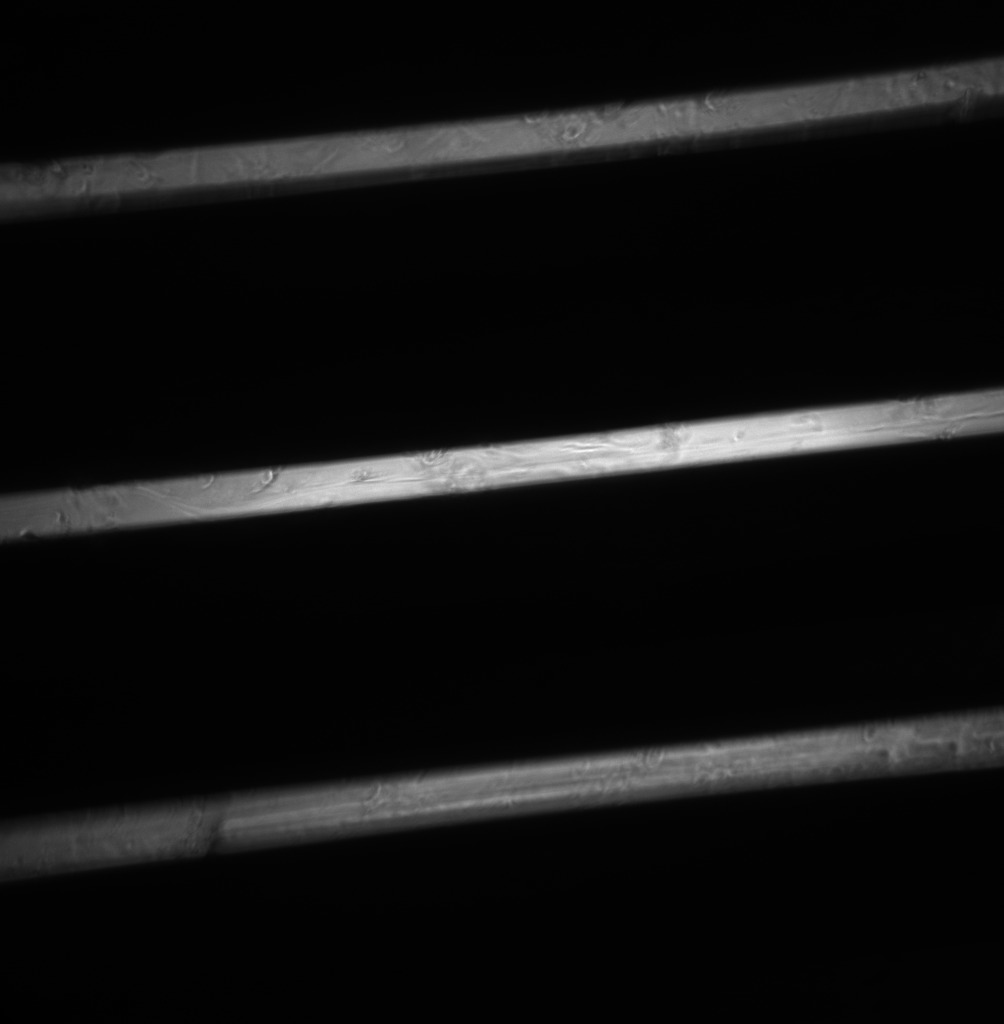
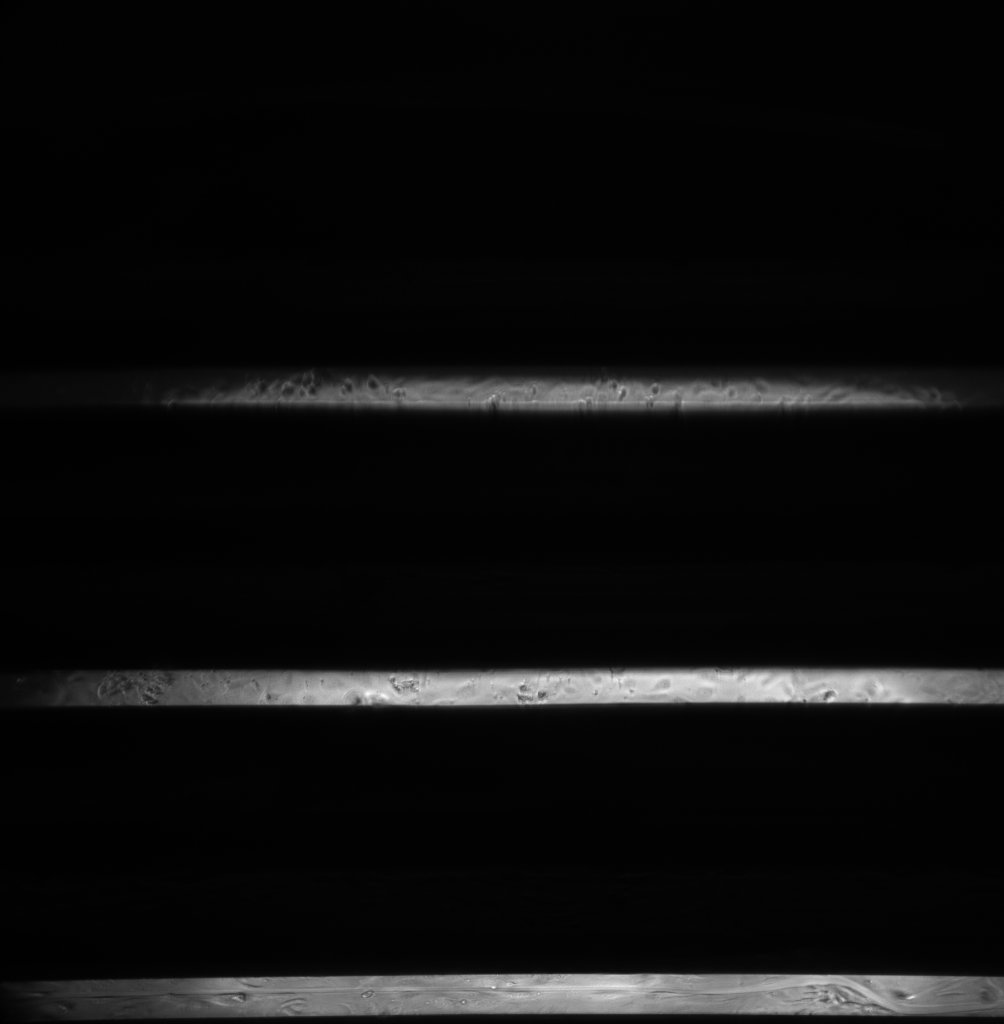

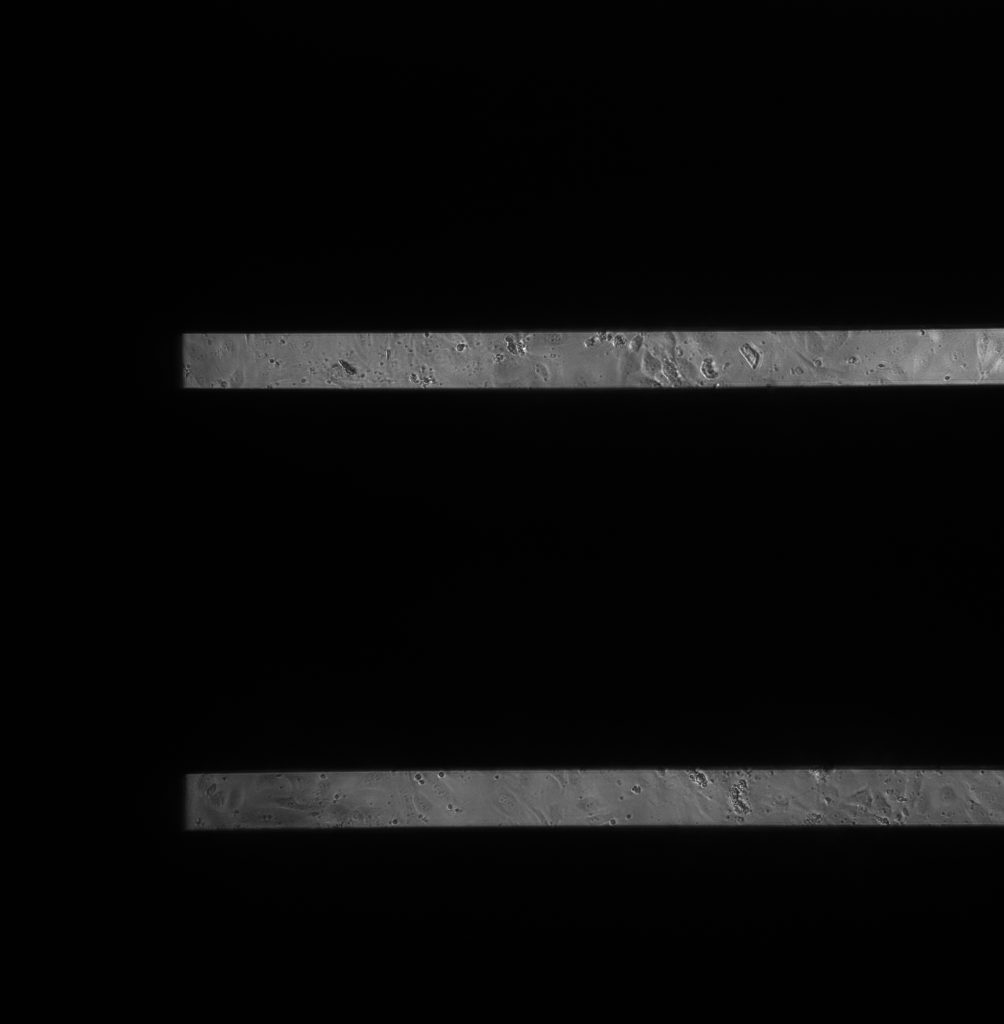
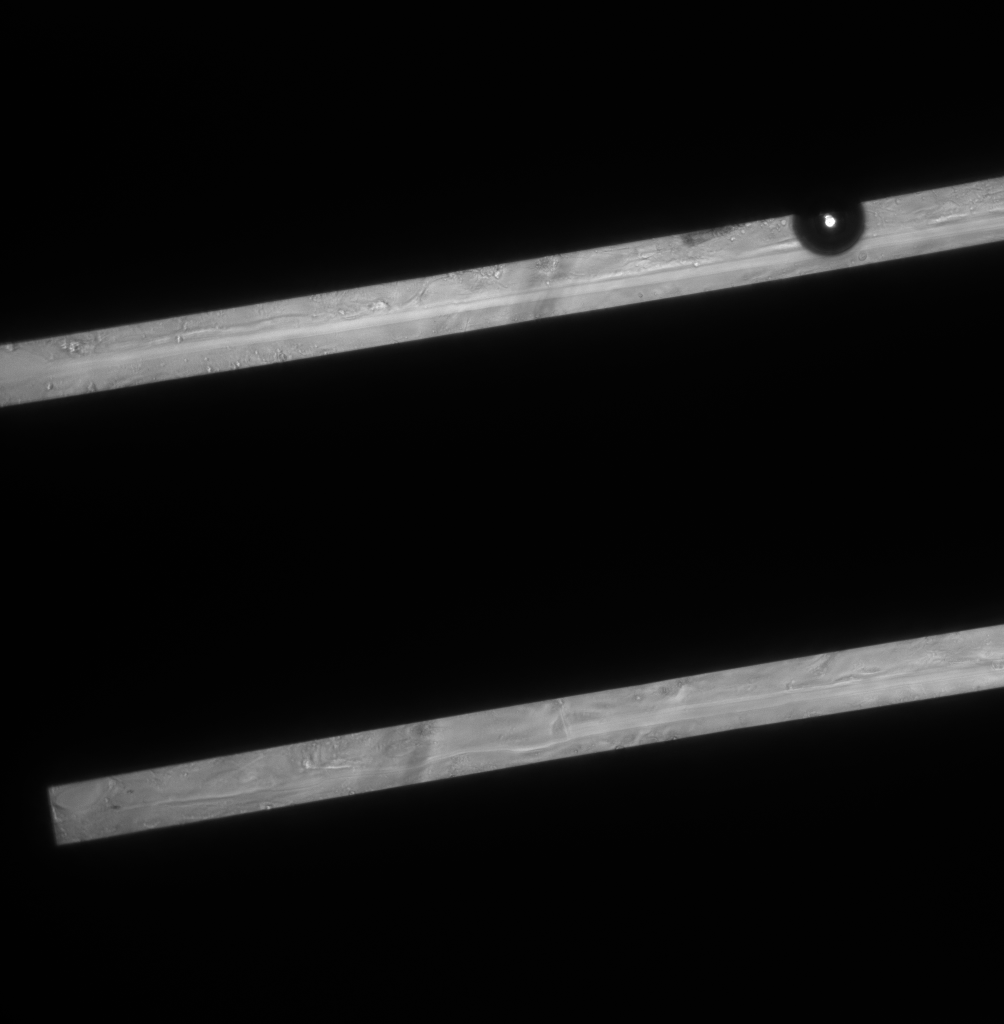
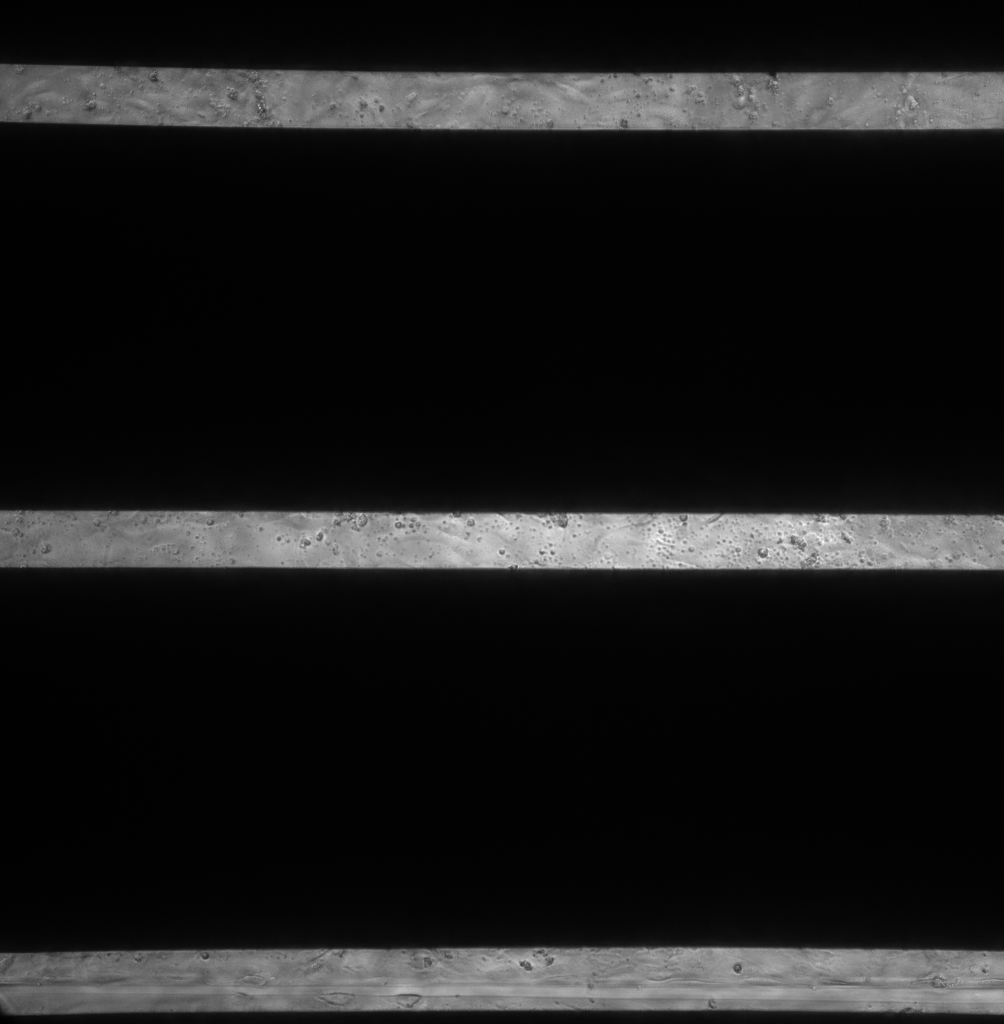
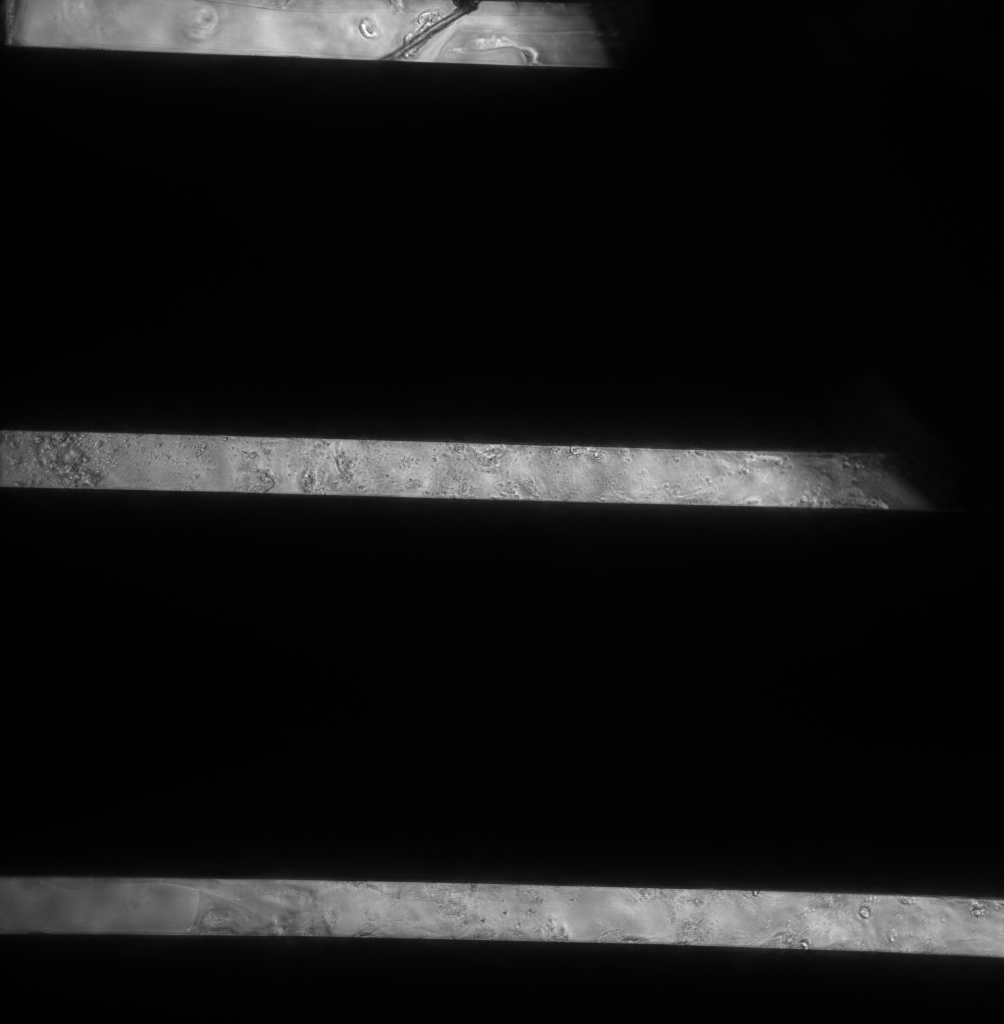
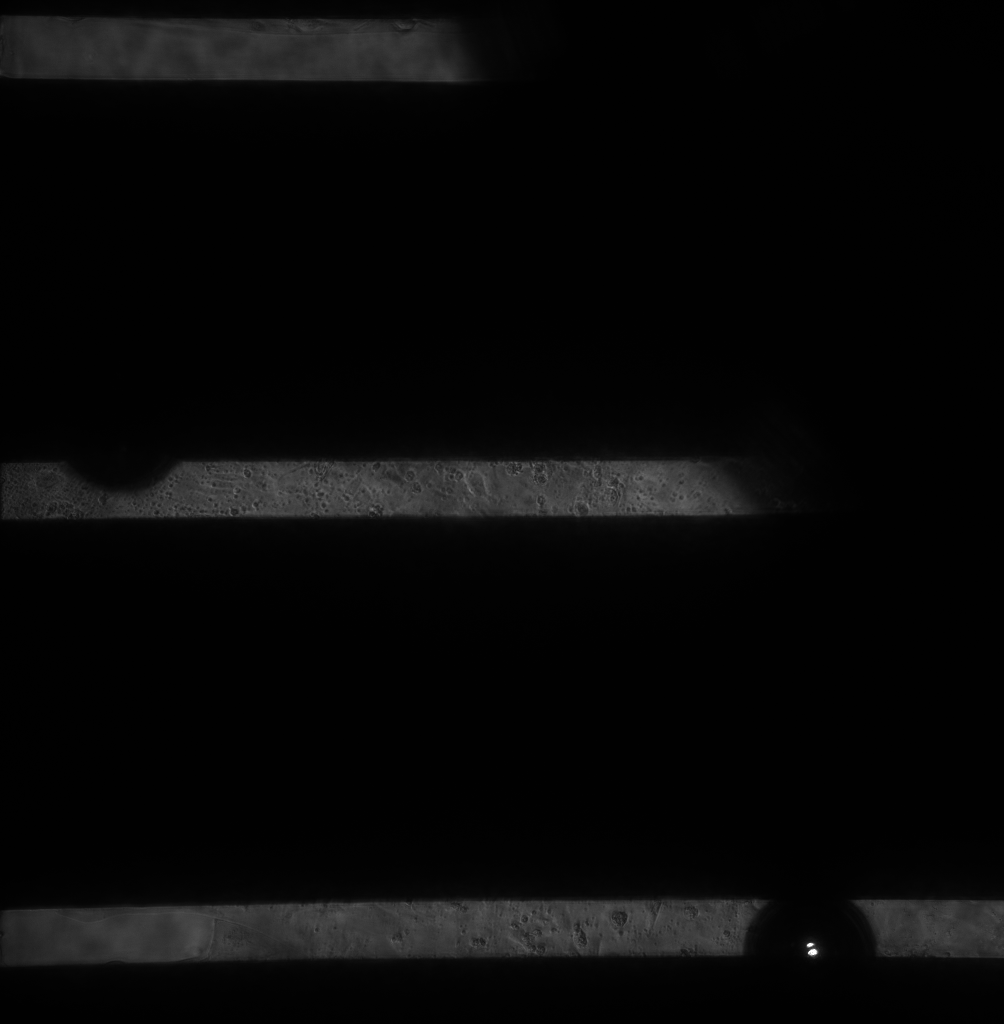
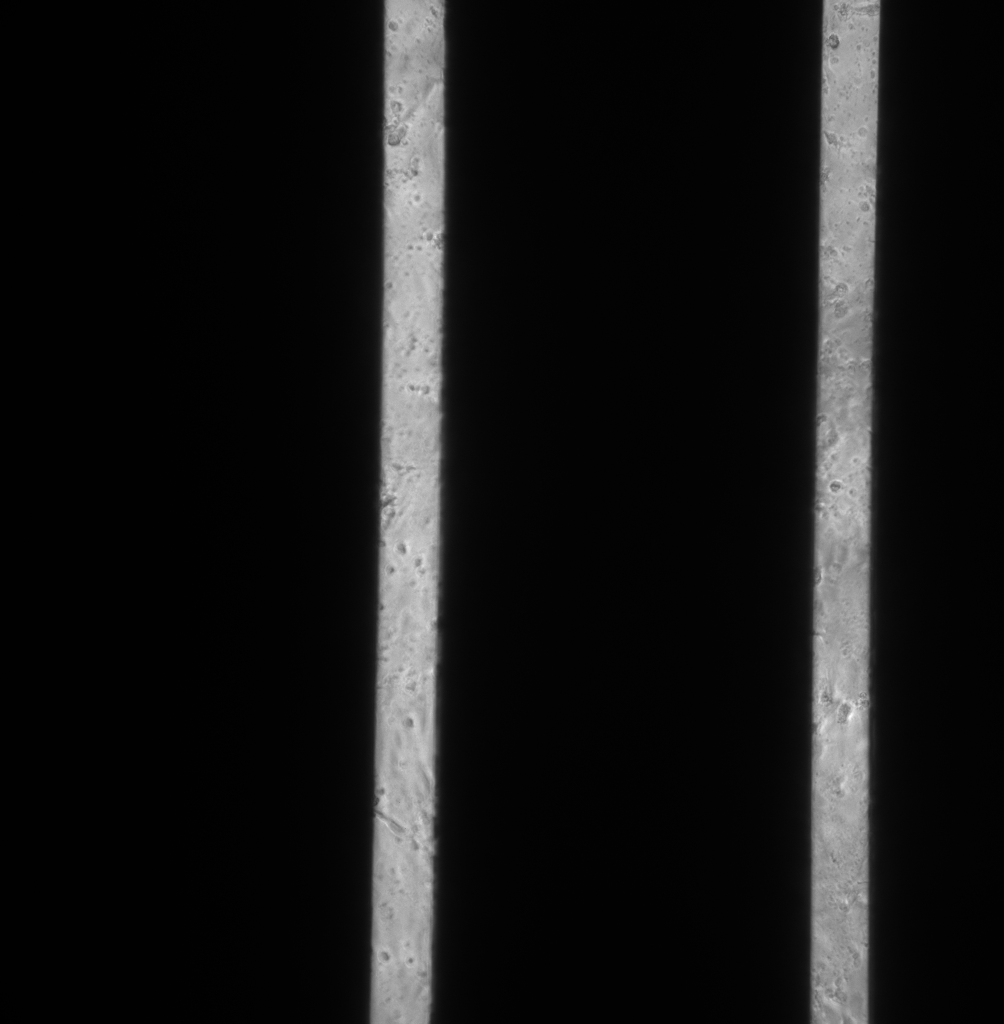
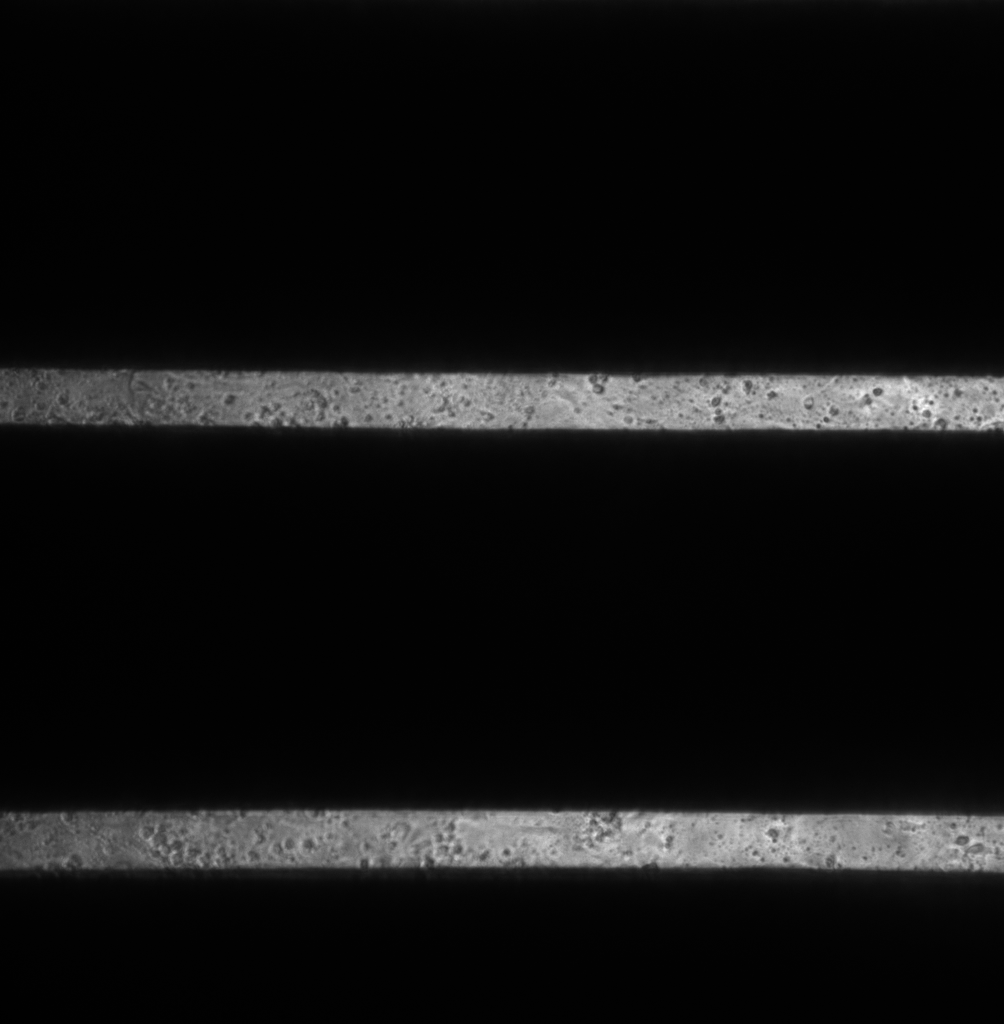
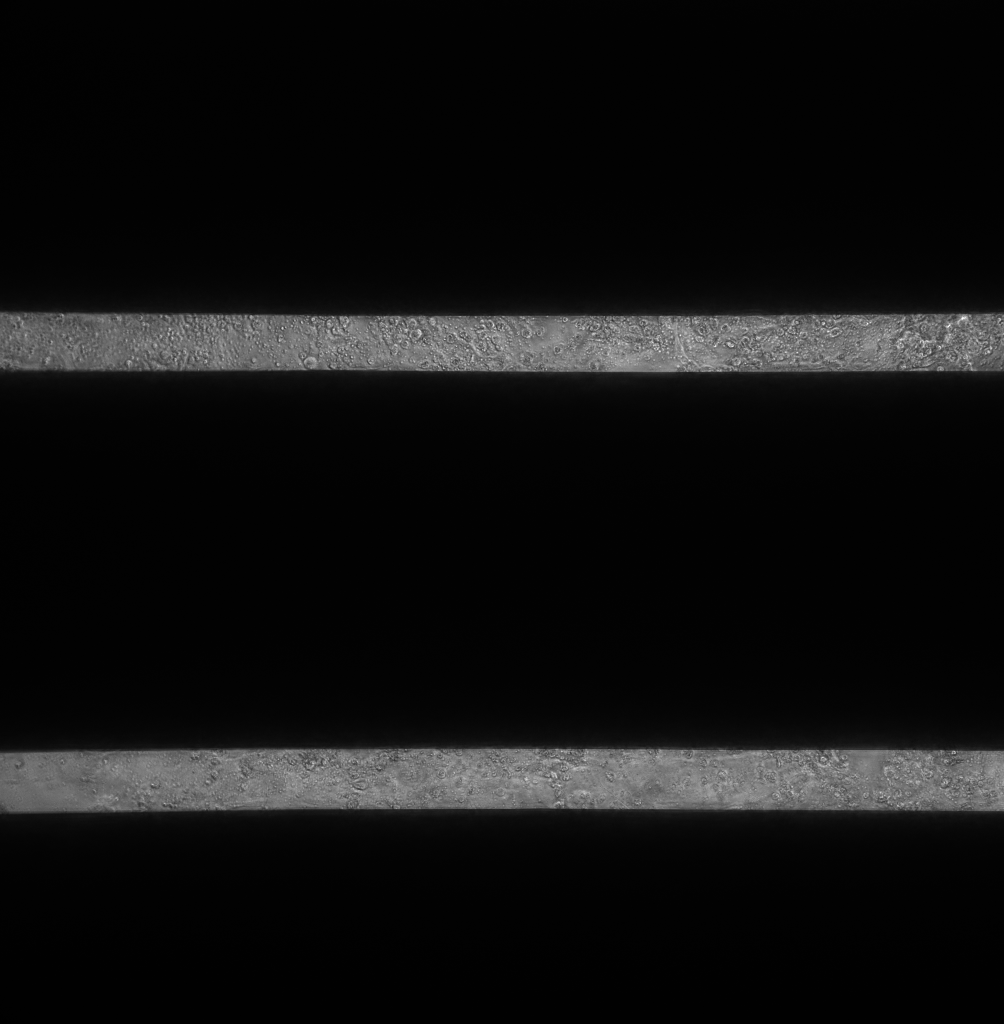
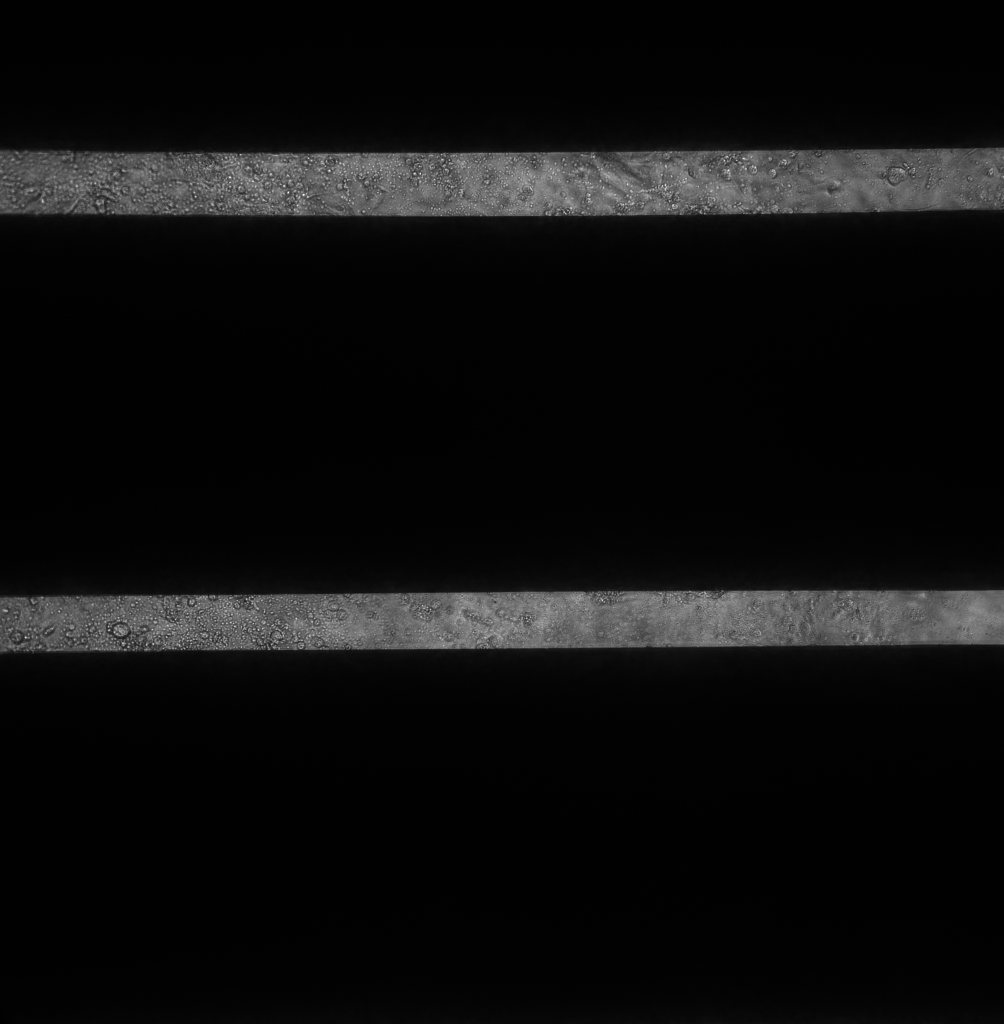
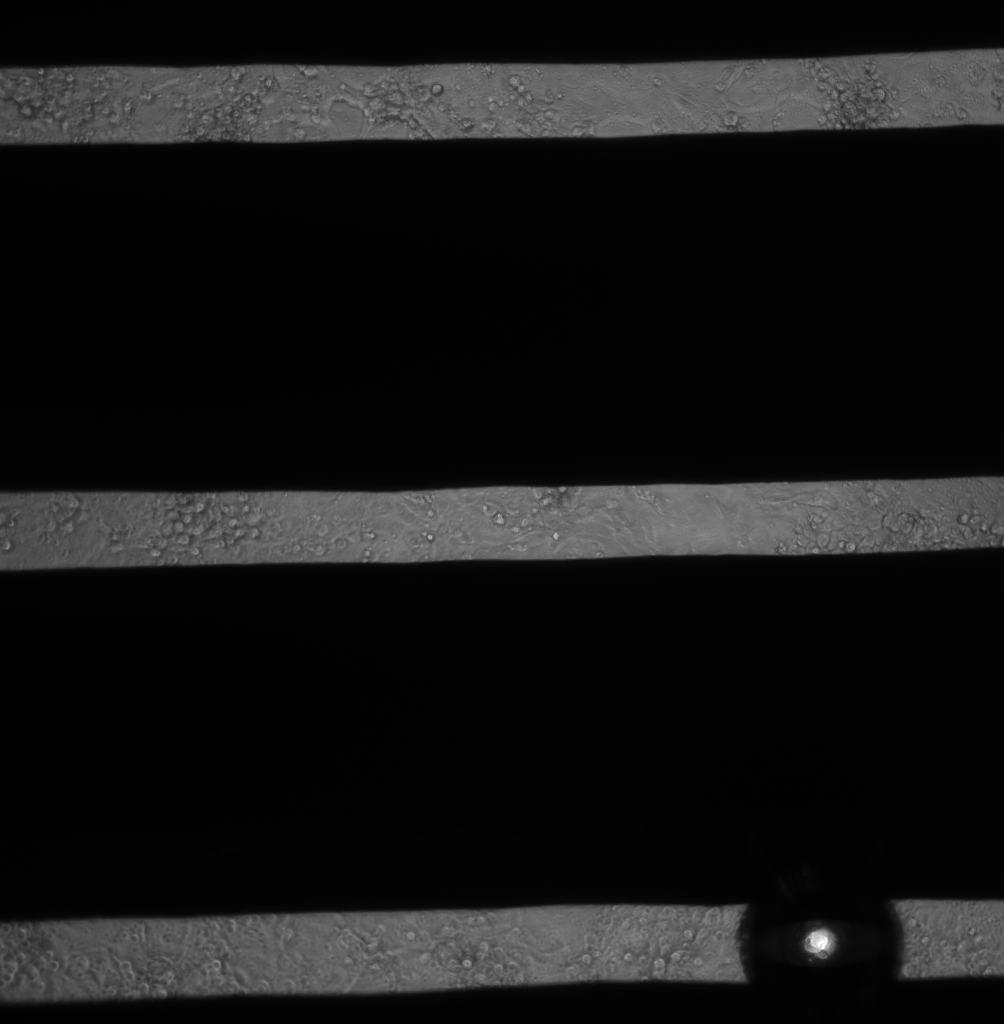
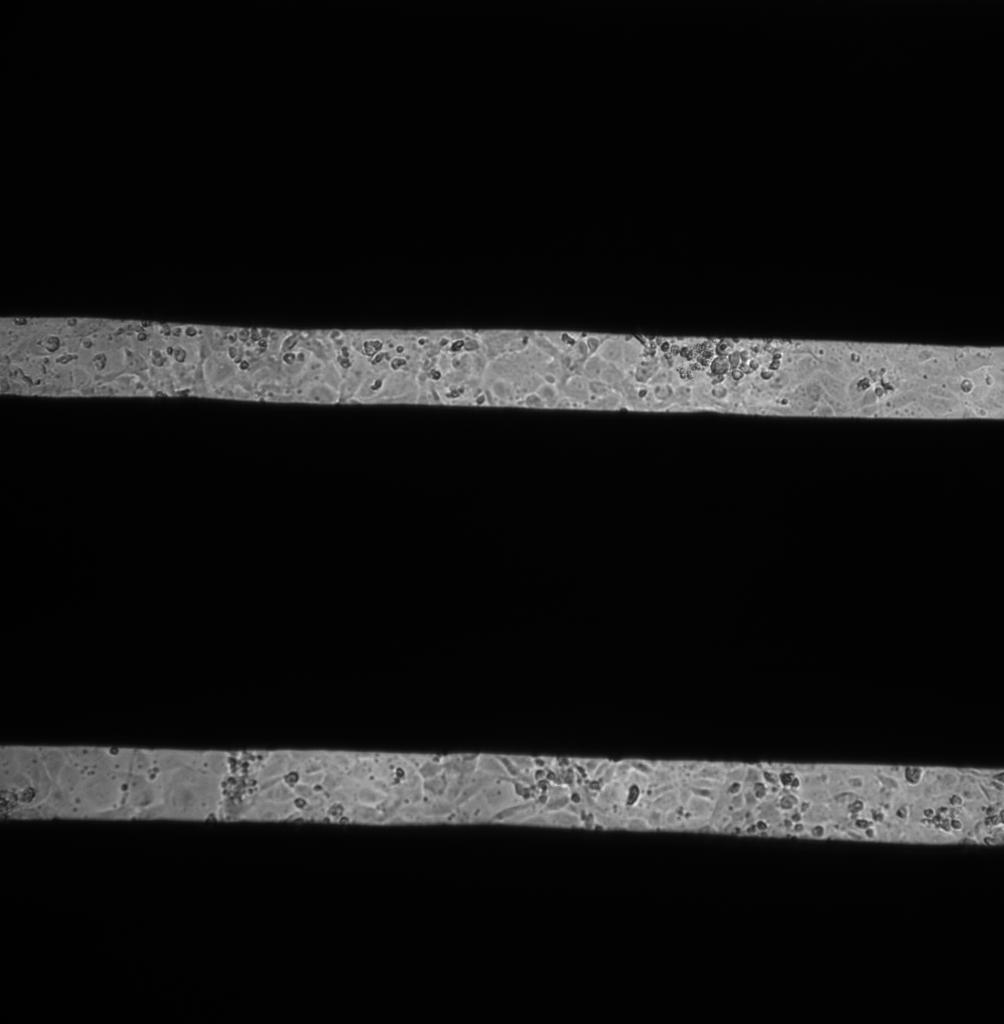
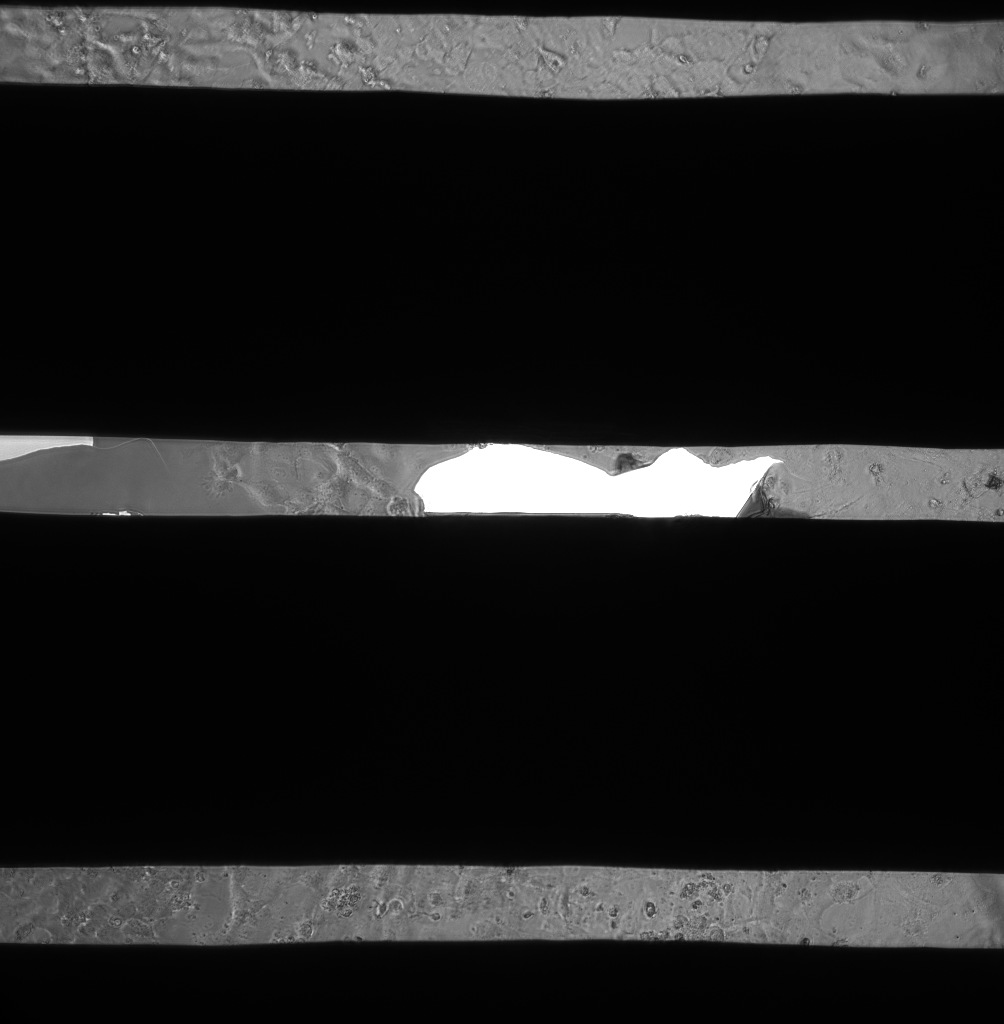
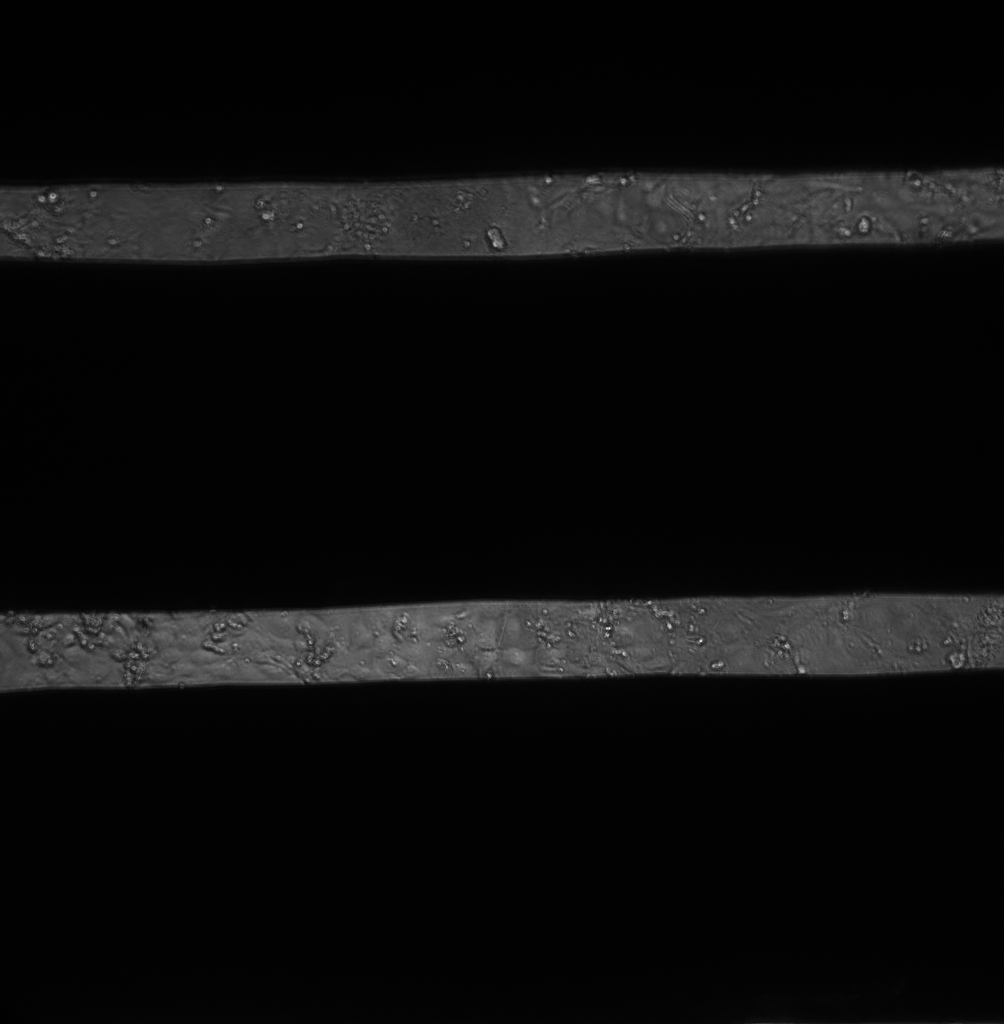
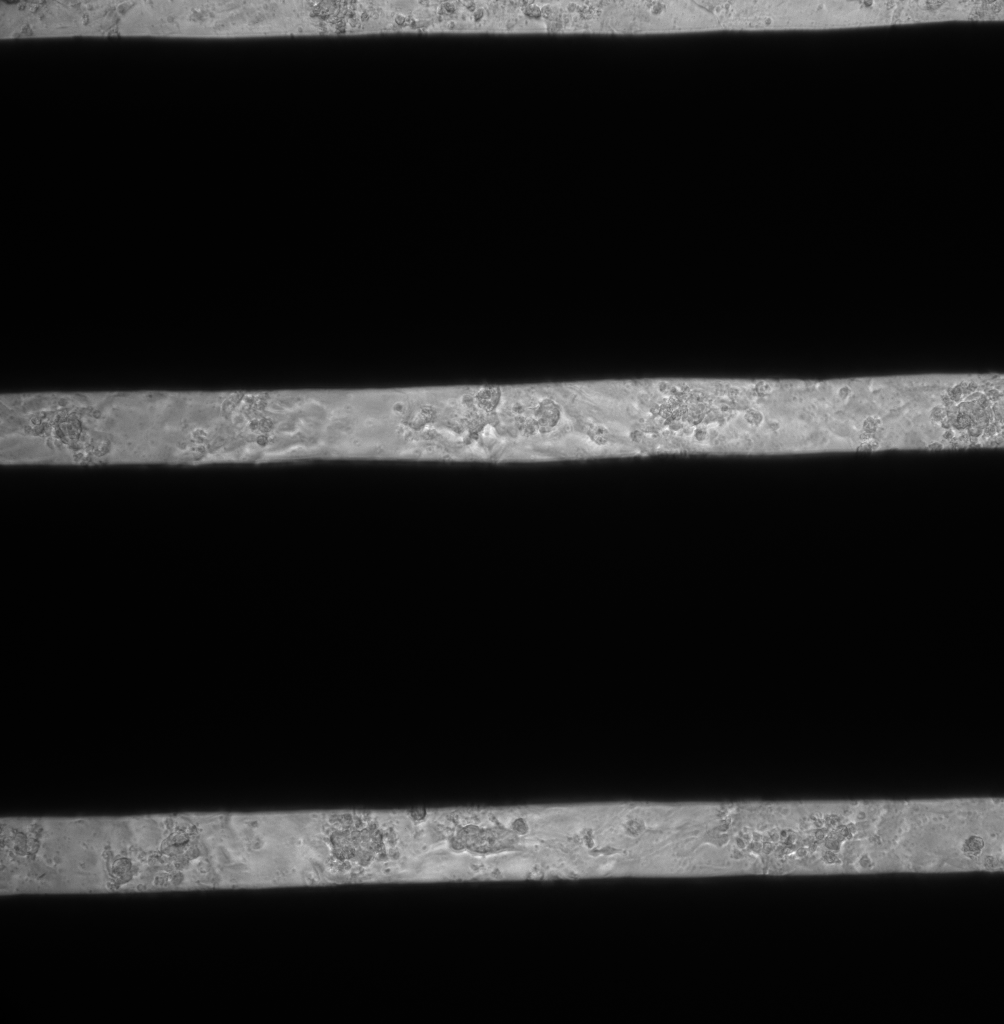

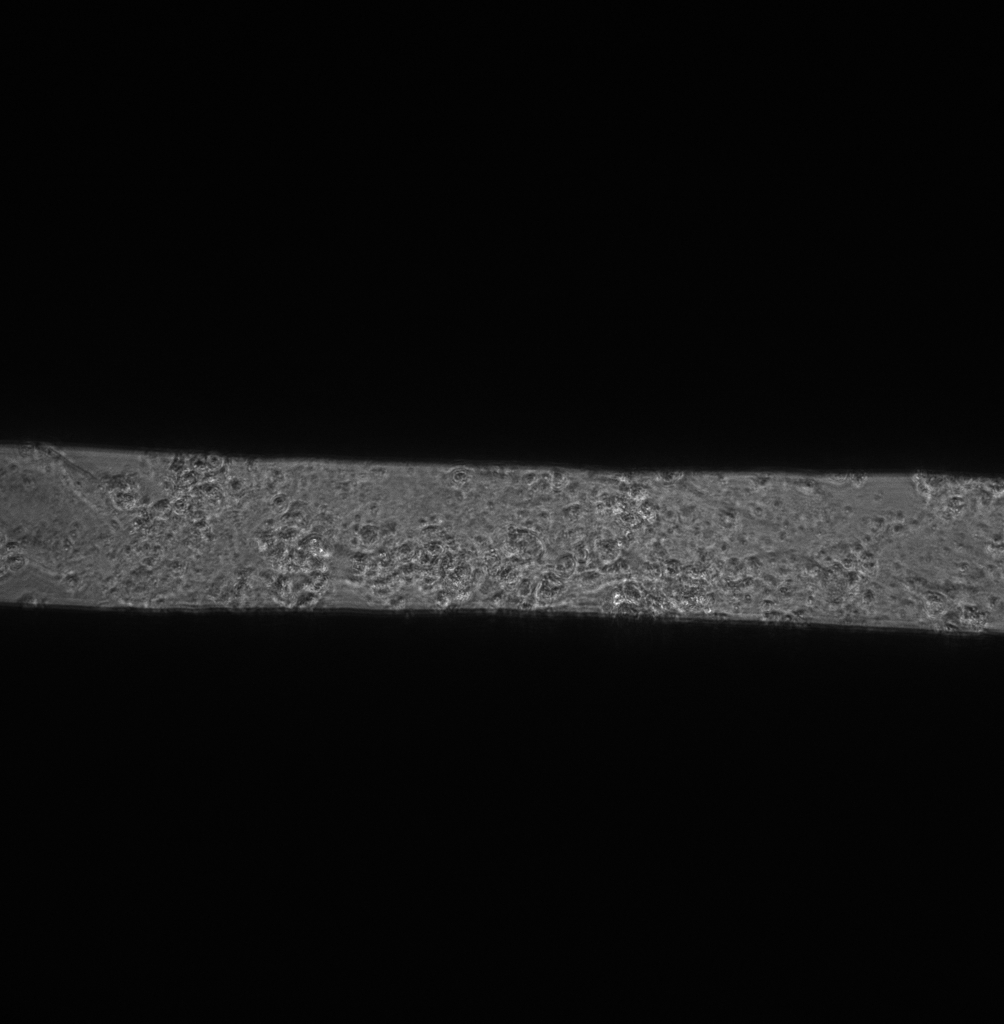

After 10 days of culture, the pnc-Si in B5 and B6 degraded, leaving some interesting gap-spanning cells

I’ve fixed all of the samples (B2-B6) with glutaraldehyde and stored them in 70% ethanol, in hopes of SEM imaging them later.