Automatic WEKA Segmentation of Microdebris on 8000 nm Slot Nanomembranes
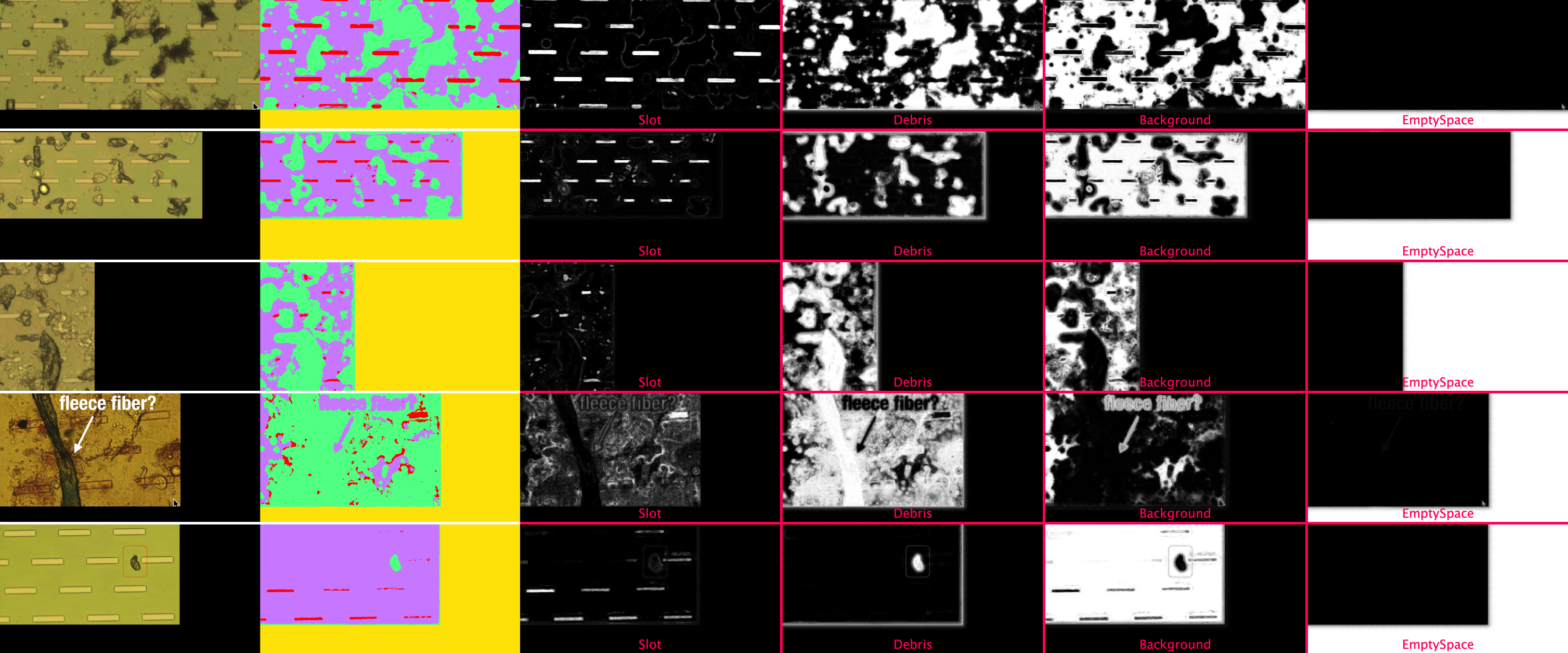
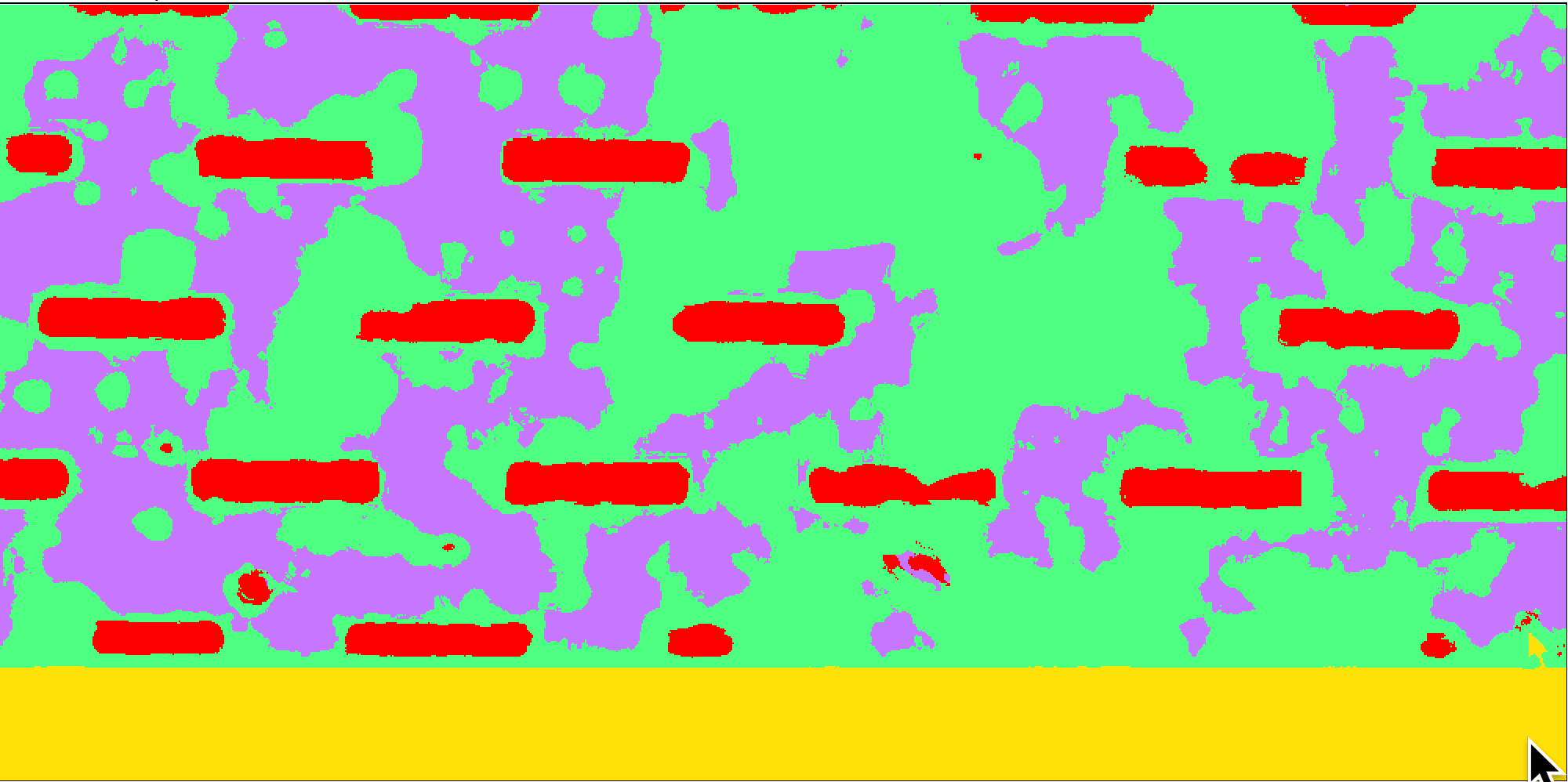
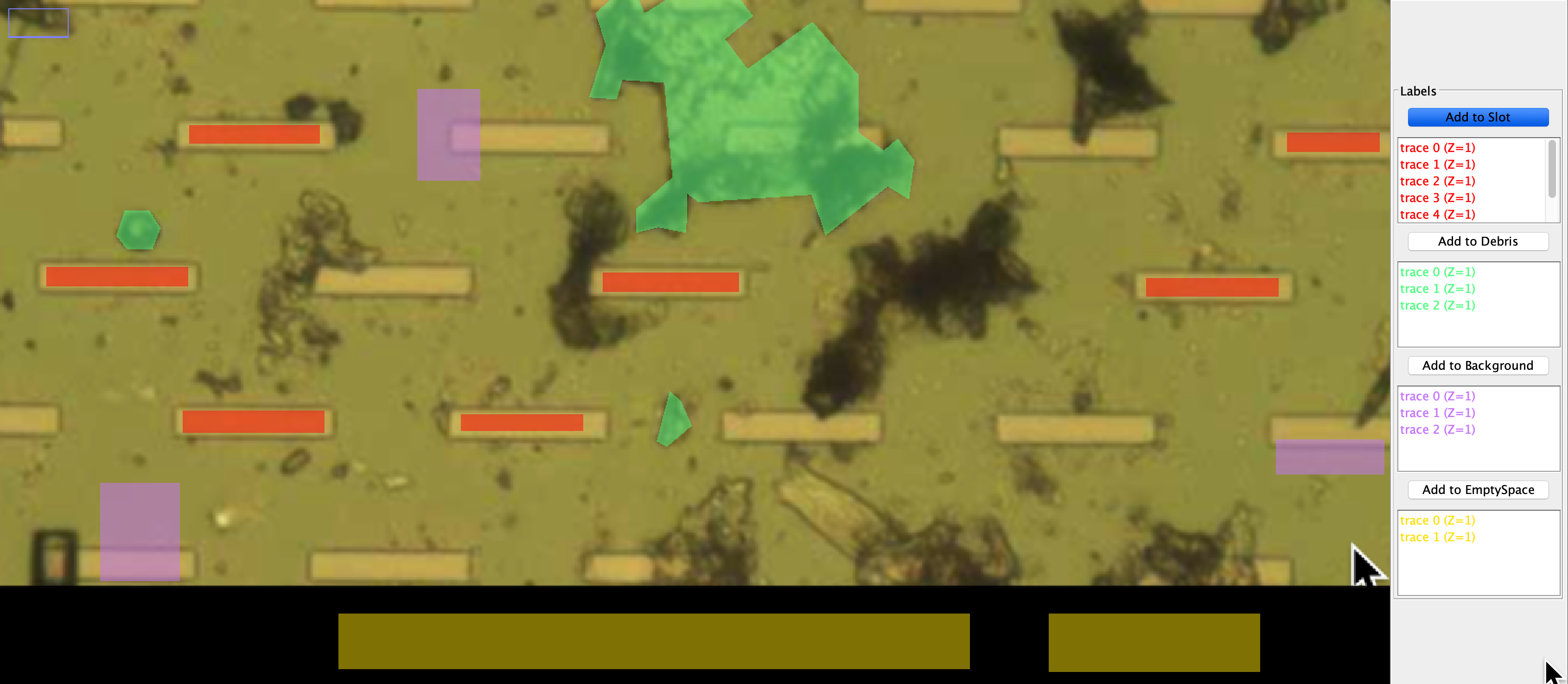
One advantage of our slot nanomembranes is that we can readily image microparticulate debris with simple light microscopy. With that in mind, it should be straightforward to have some image processing along with our microspectroscopy to separate out different particles on the membrane. I used WEKA segmentation (a feature of Fiji) to identify a few structures (Slots, Debris, Background, Empty Space) on some of Wayne’s images filtering debris from various liquid sources on our 8000 nm wide slot nanomembranes. These initial images were made with the default training parameters (5 characteristics).
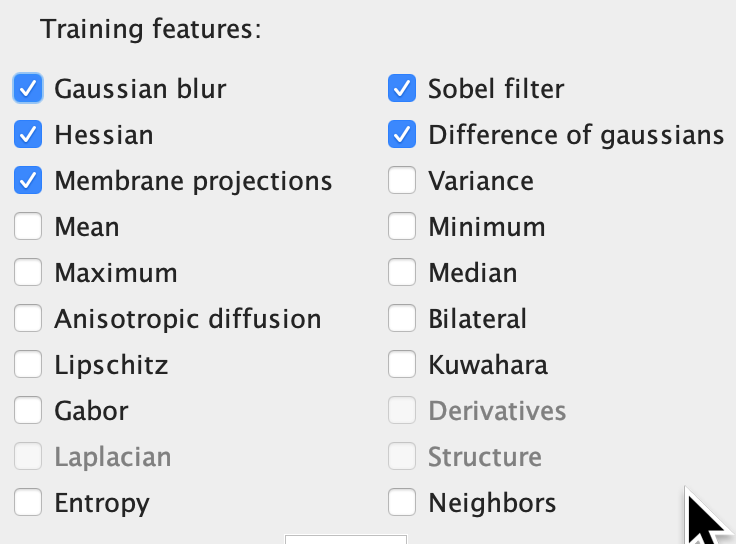
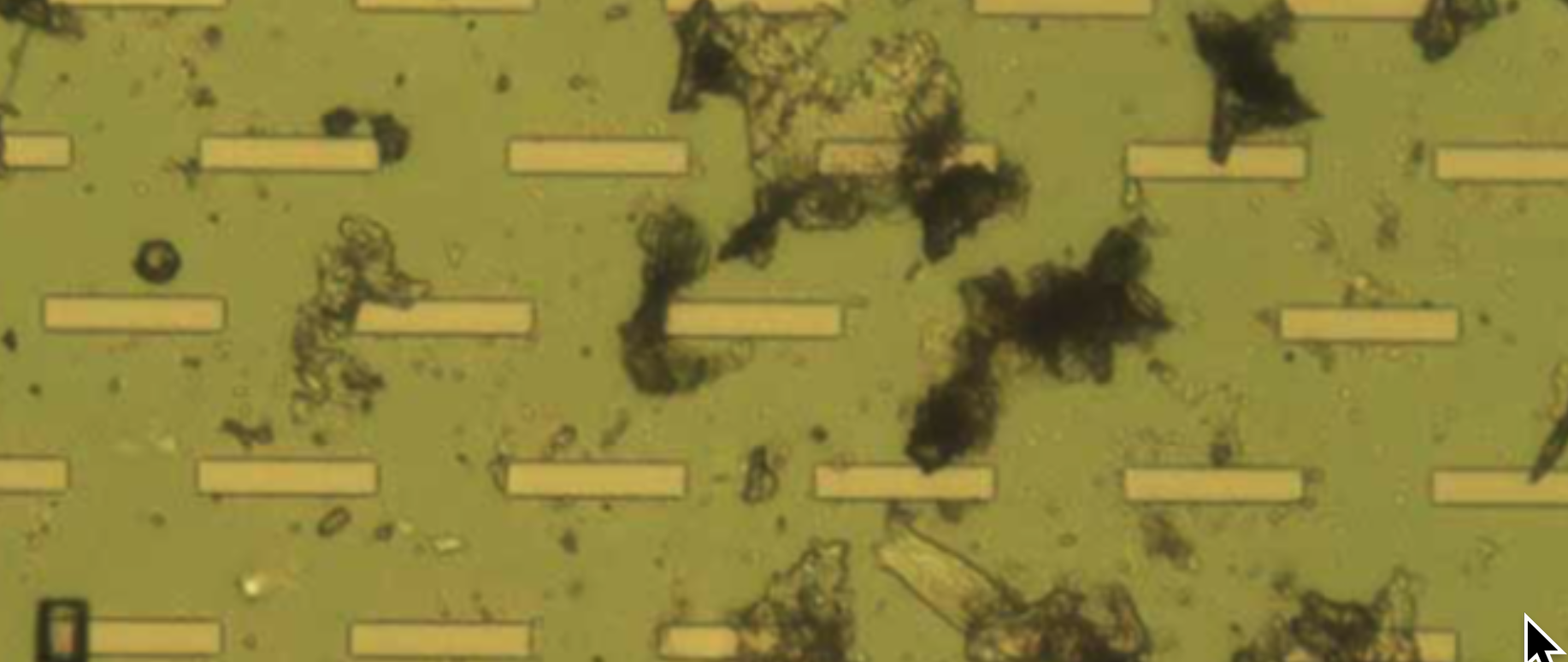
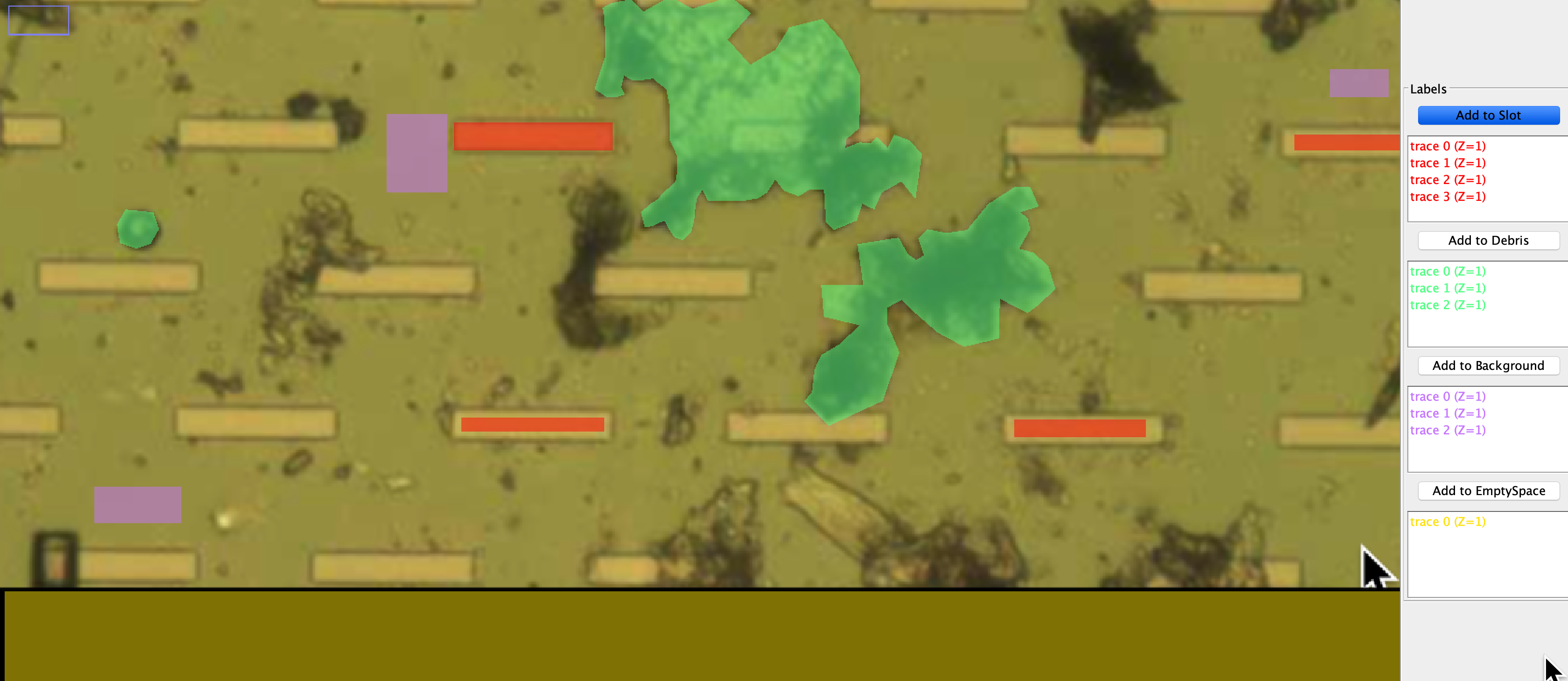
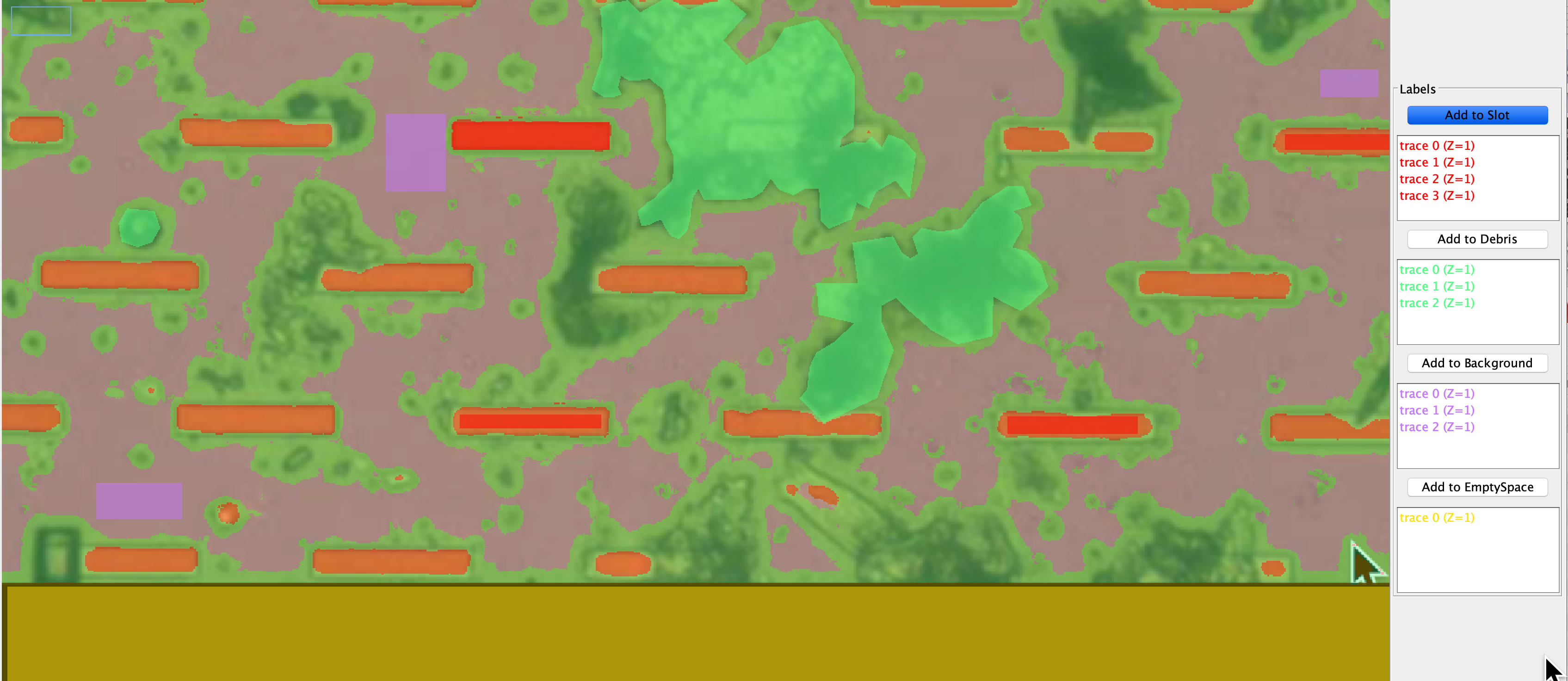
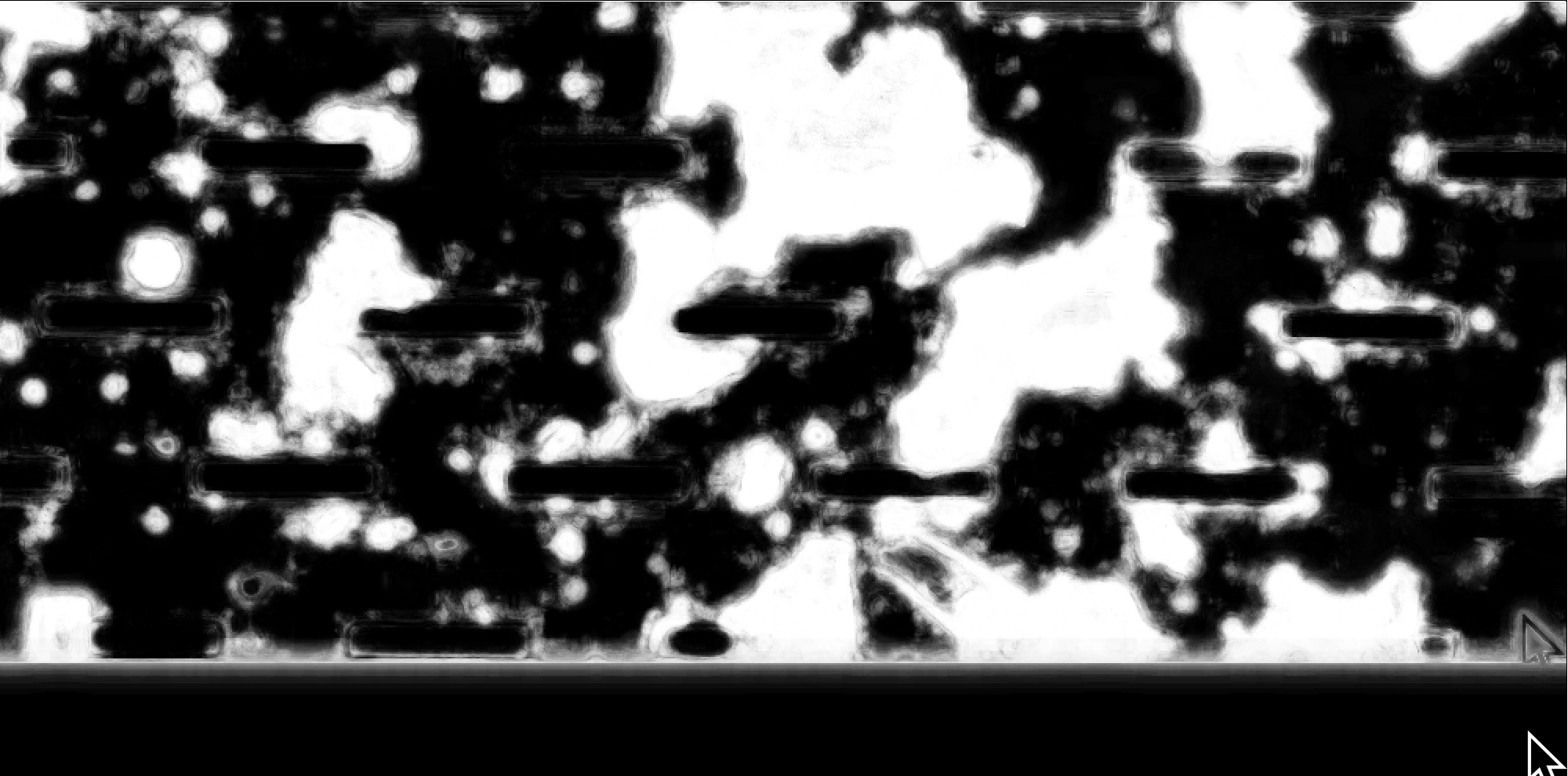
The classification is very binary, however, the real estimation is a probability map for each class, which WEKA also provides.
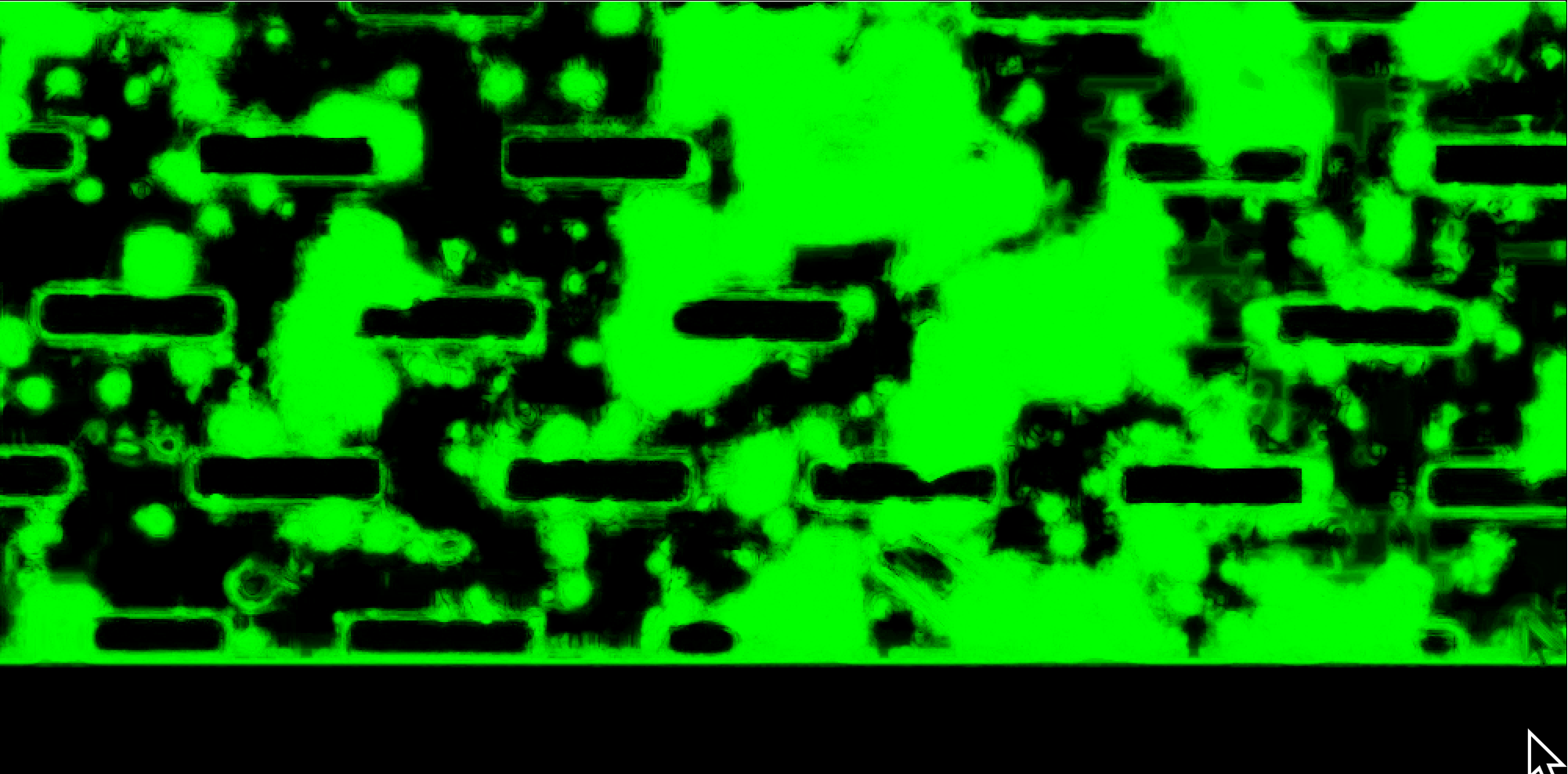
We get excellent identification of the slots with this segmentation, however, debris is overrepresented. I added more training features and this narrowed the range of debris, but did not eliminate the overestimation appreciably.
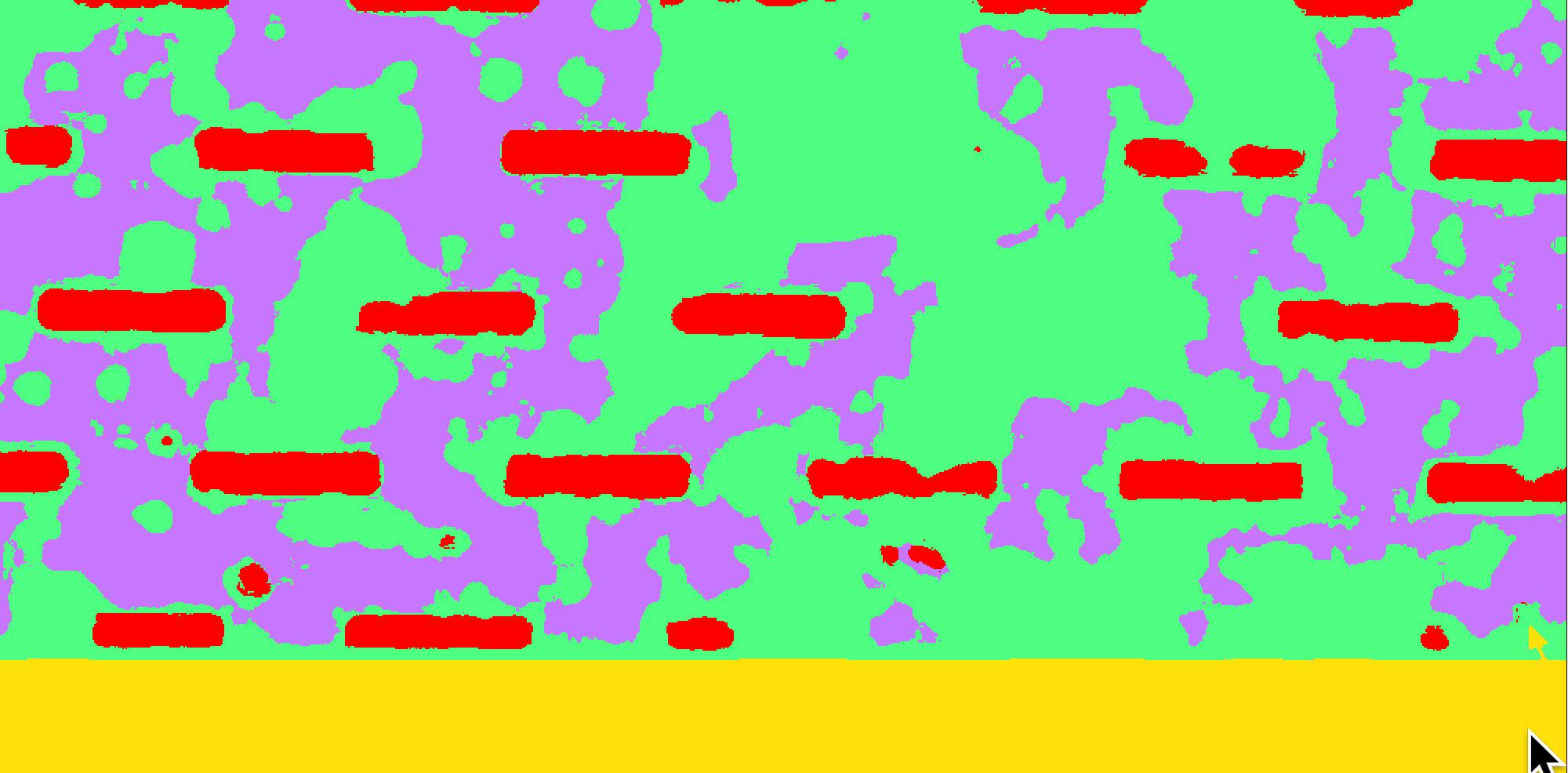
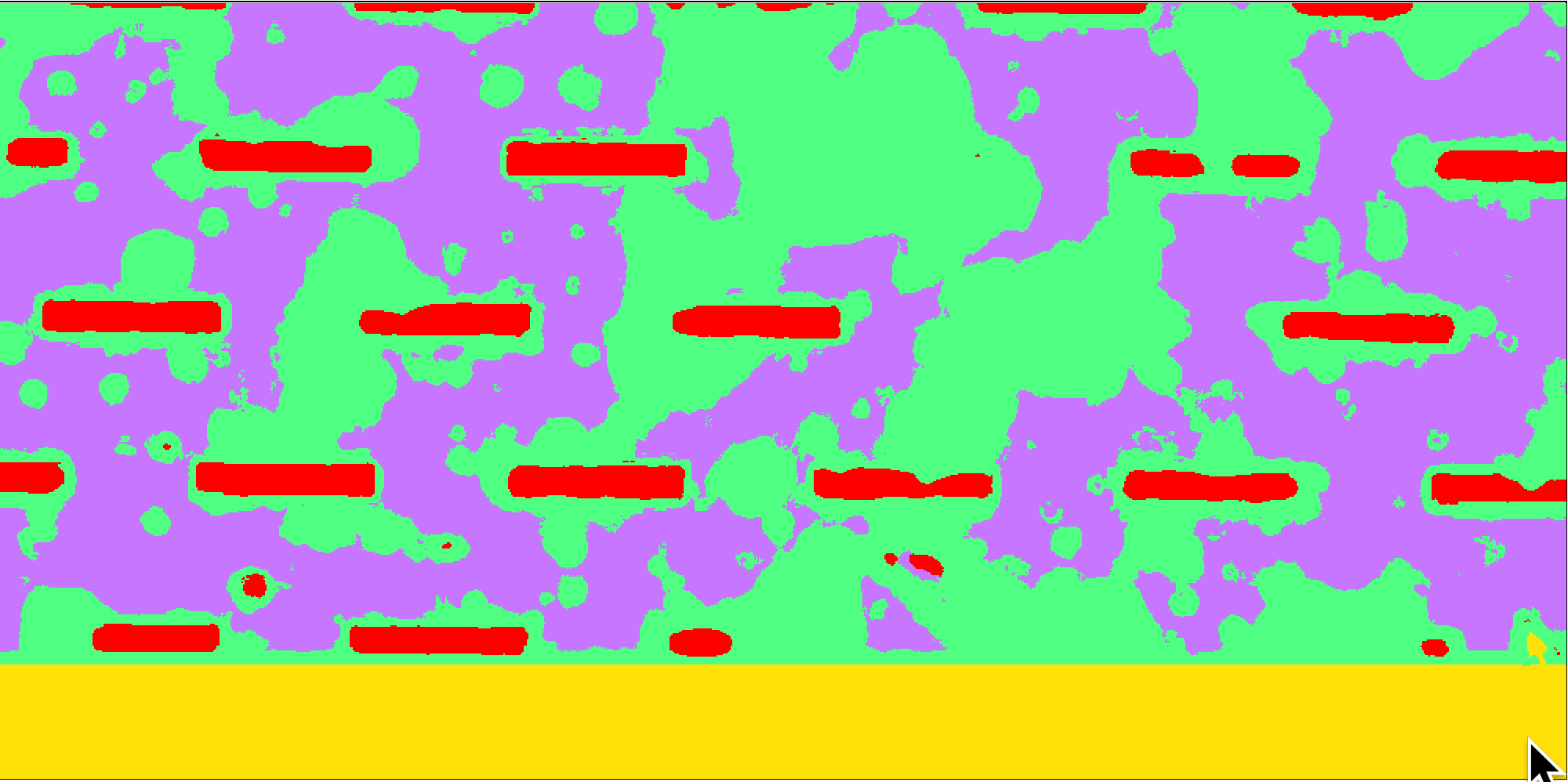
With the overestimation in mind, I tried to include the slot borders in the background estimation. Using a 12 characteristic training, I resegmented some of the training set, which improved the debris segmentation.
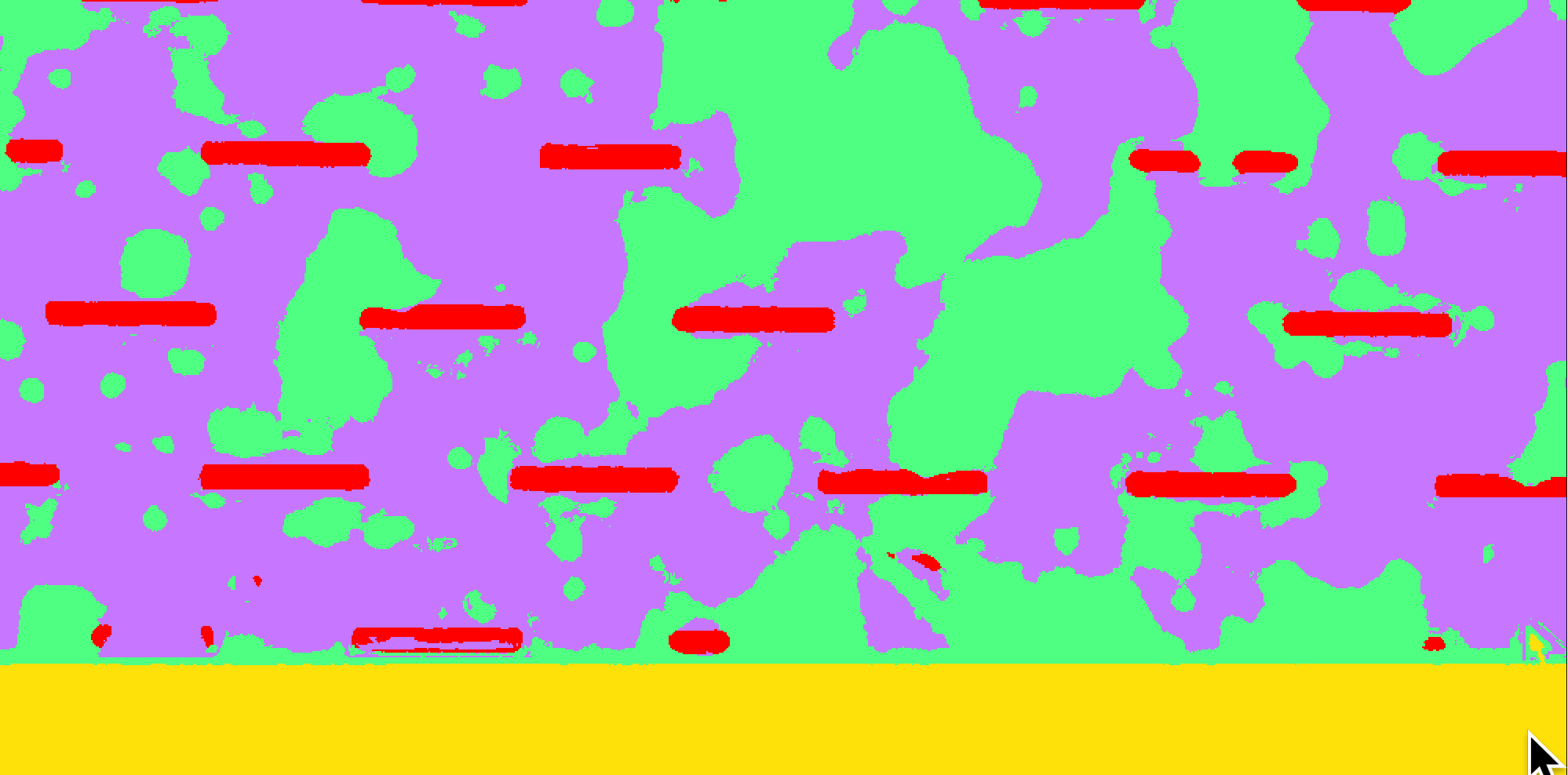
I saved this classifier for future use. I imagine that with standardized illumination and imaging protocols, we may be able to get better training data, even creating training sets for different types of liquid or particulate that incorporate Raman microspectroscopy. Here are the whole set of 5 images I generated from 12 characteristic training data, with the background overlapping the slots.