Excitation and Emission Wavelengths for Common Fluorophores
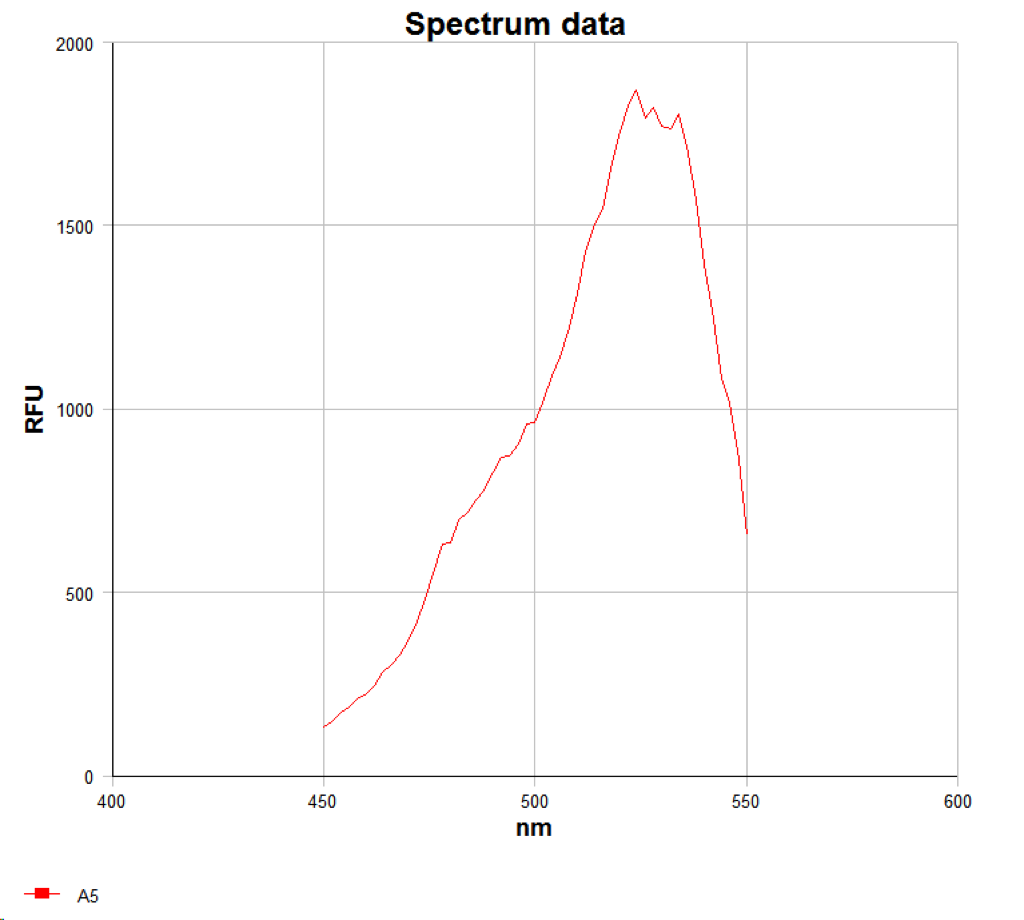
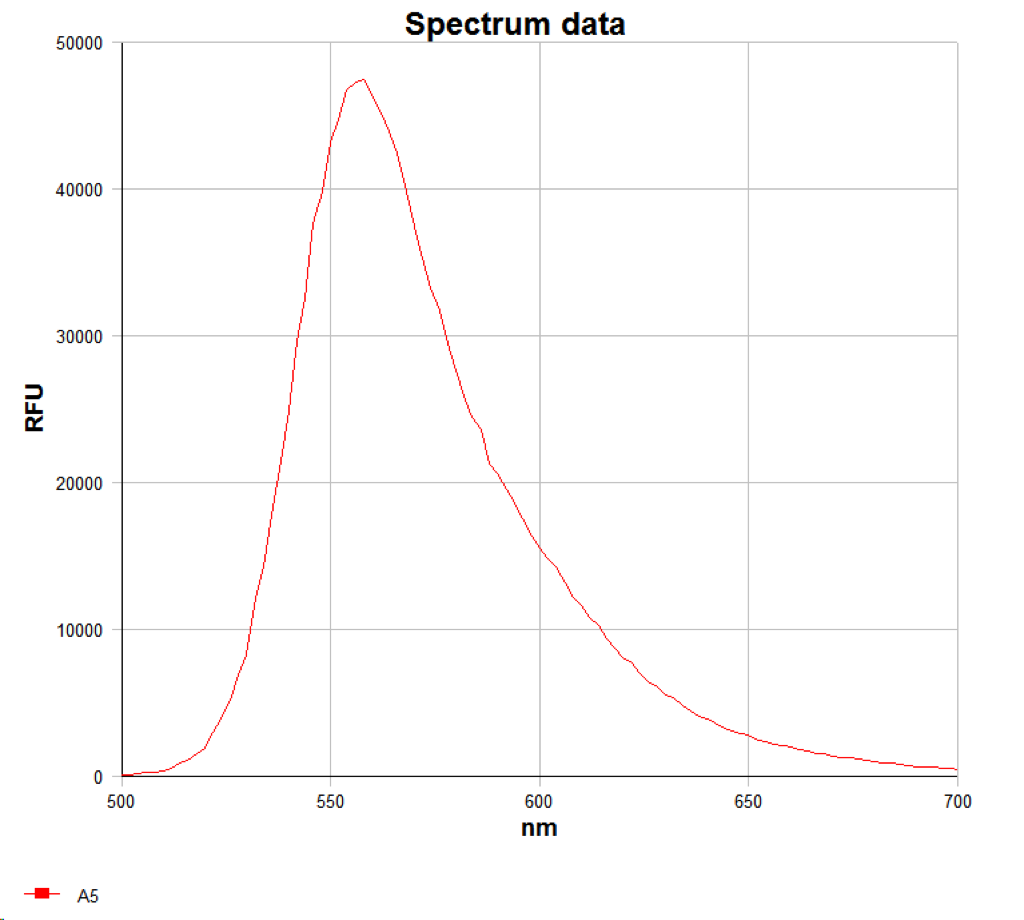
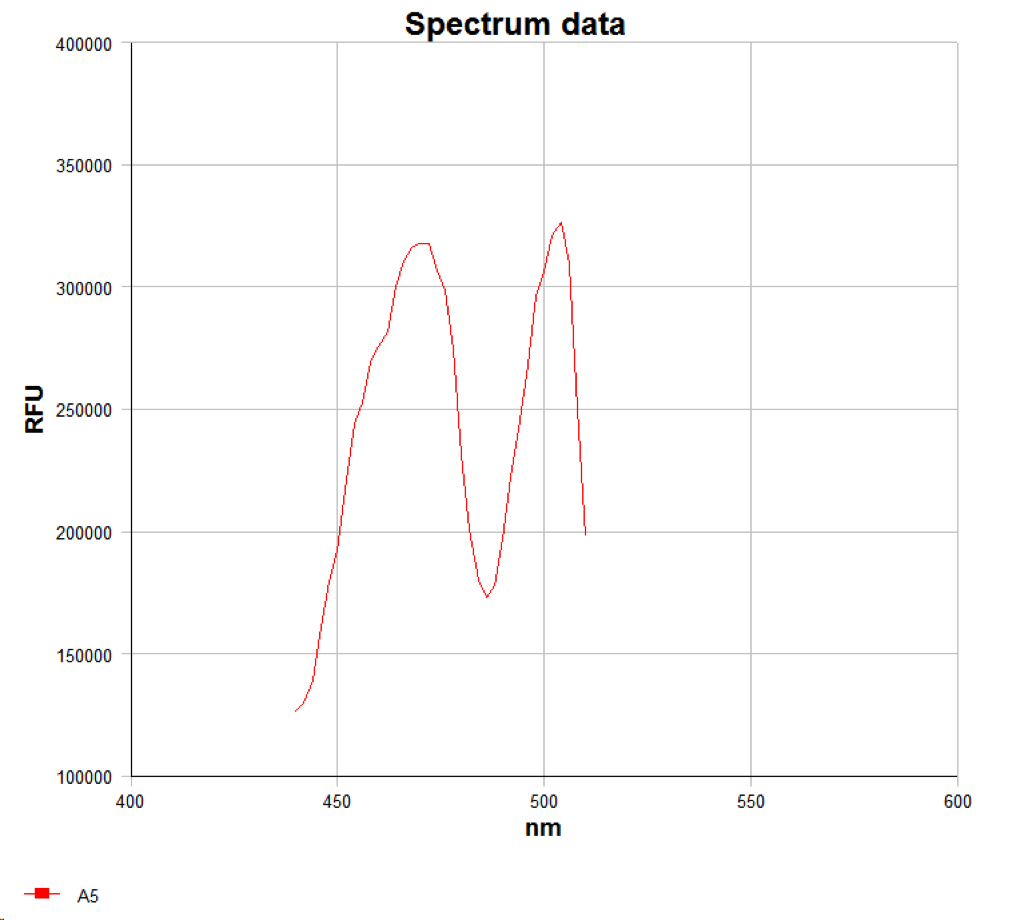
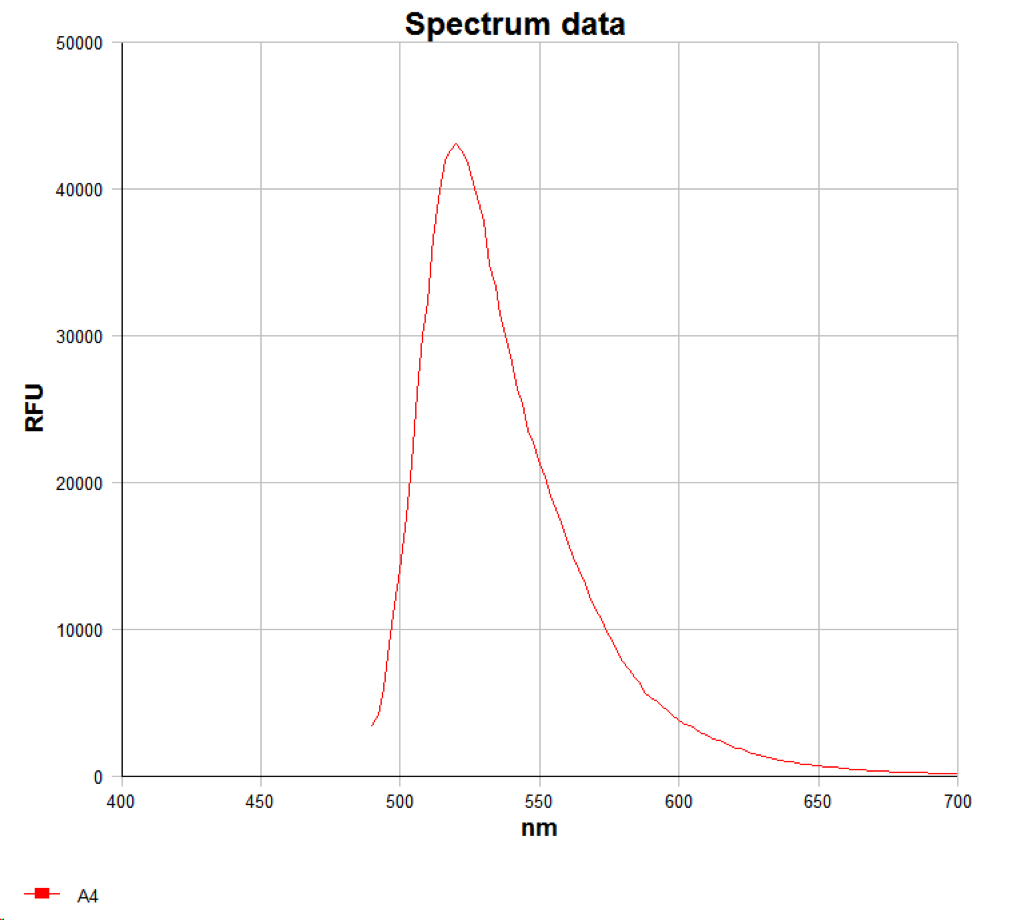
Here is the excitation and emission wavelengths for two common fluorophores for transport: rhodamine and fluoroscein.
|
|
rhodamine |
fluoroscein |
|
max ABS |
480 nm |
470 nm |
|
emission |
558 nm |
516 nm |
|
excitation |
524 nm |
492 nm |
The protocol for finding excitation and emission wavelengths of a fluorophore with use of the Tecan can be found here. During training, we were told to keep excitation and emission at least 30 nm apart. For example, if I decided to use fluoroscein, excitation would be set to 490 nm and emission at 520 nm.
Rhodamine:
Excitation:
Emission:
Fluoroscein:
Excitation:
Emission:
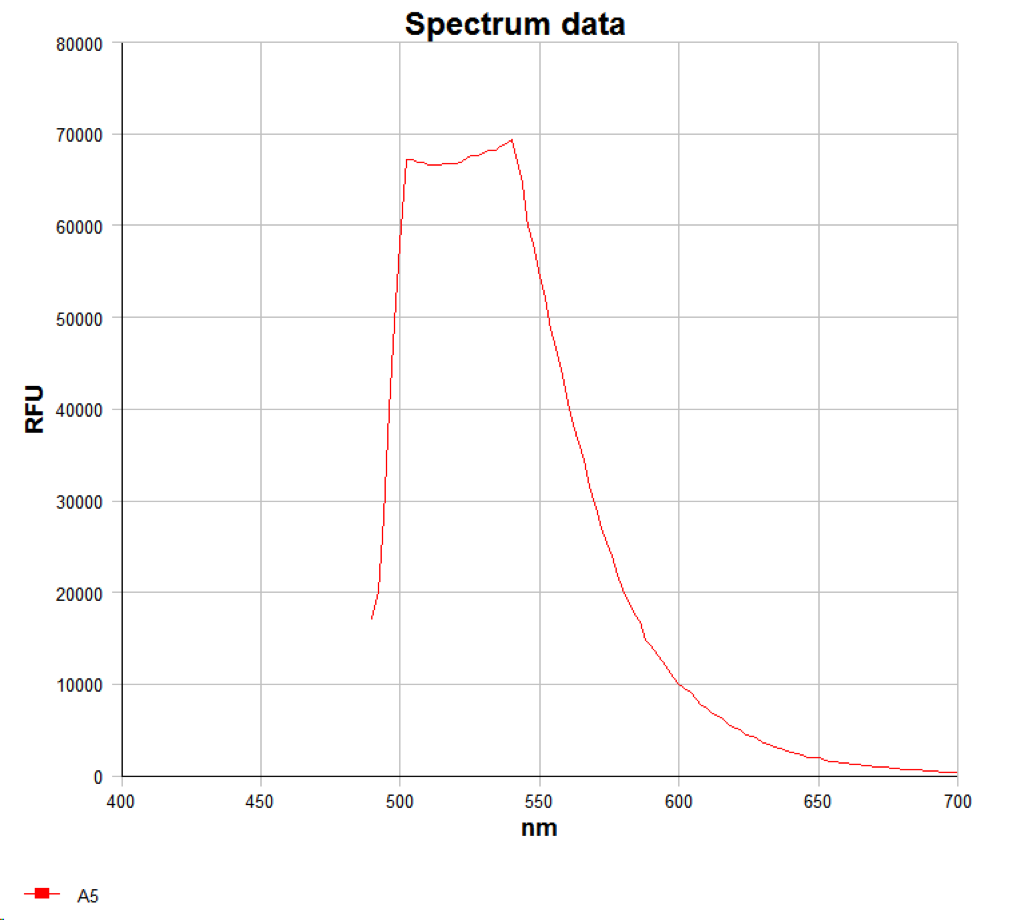
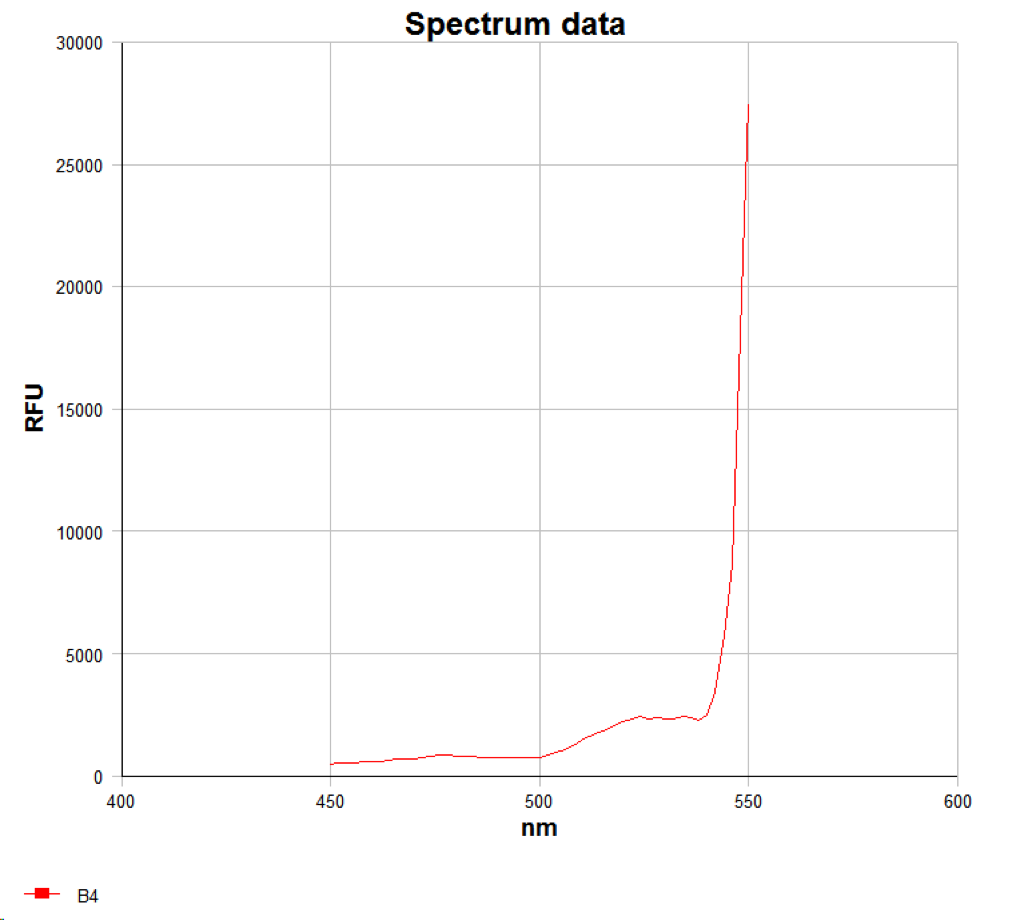
Note: Barrett and I had many problems with getting peaks in our spectrum. We found that two things can be done to prevent this: 1.) Set the gain to the well being used and 2.) Be sure the sample is diluted enough. This will prevent overflow problems.
Here are some of the things we saw if the gain and/or sample wasn’t diluted enough:
The peak got “cut off” in the emission of Fluoroscein.
No peak in the excitation of Rhodamine.
I’ve been using 485/520 nm for sodium fluorescein, and it’s working well.
Also, these spectra are for rhodamine 6G.