W612 Pinhole Counts: Interesting Features
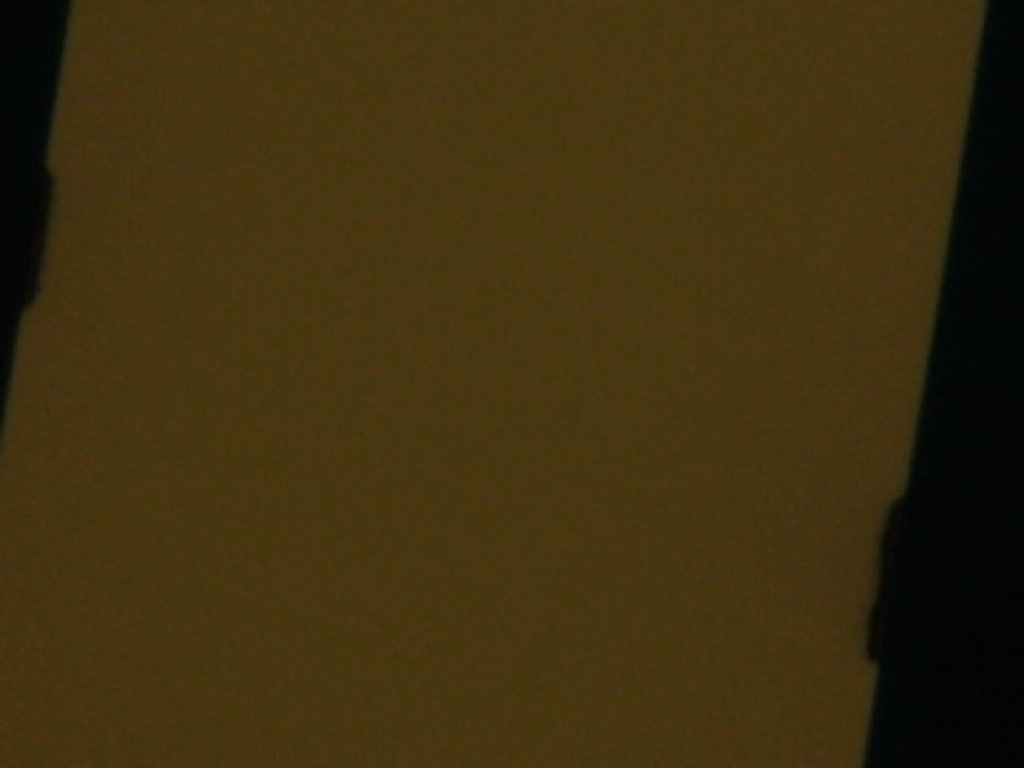
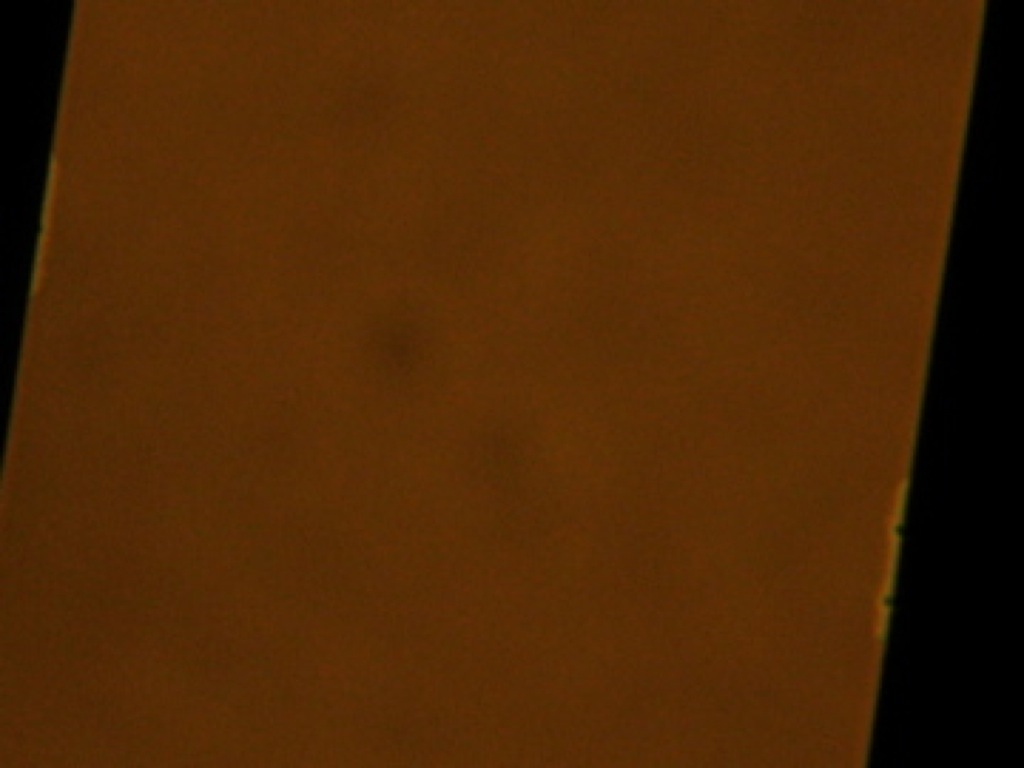
I am in the process of inspecting each membrane in the newly created wafer 612. First of all, some samples (~10% counted so far) have tears on the membrane edges, shown below. Images were taken at 20x microscope magnification (reflection image followed by transmission).
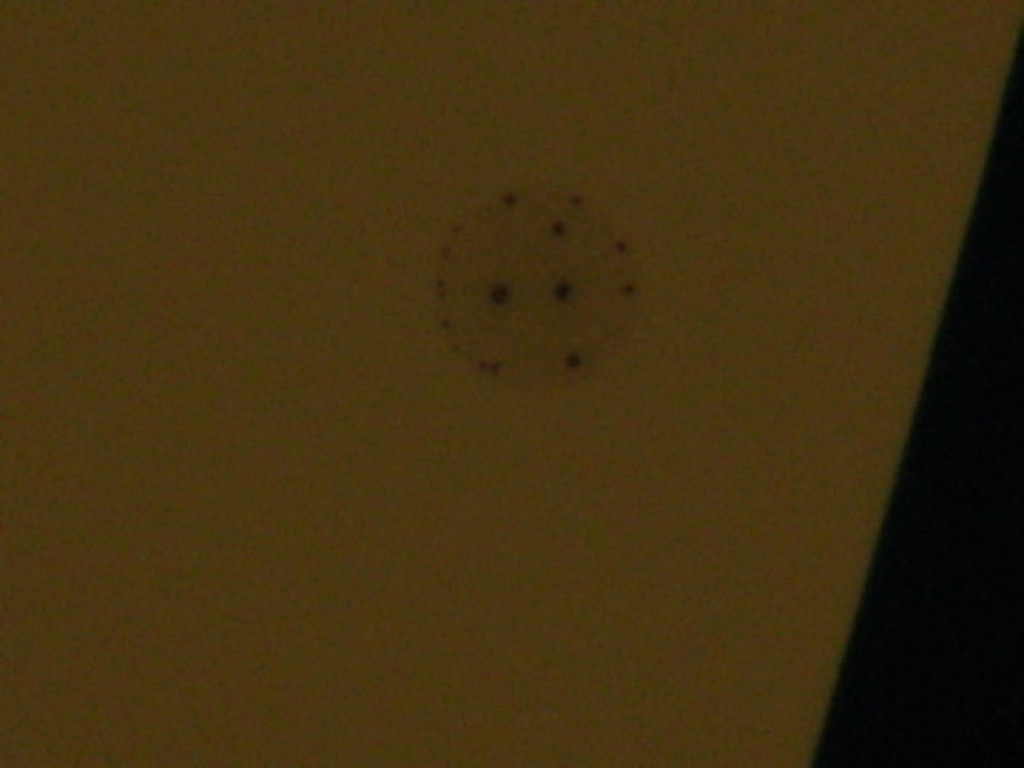
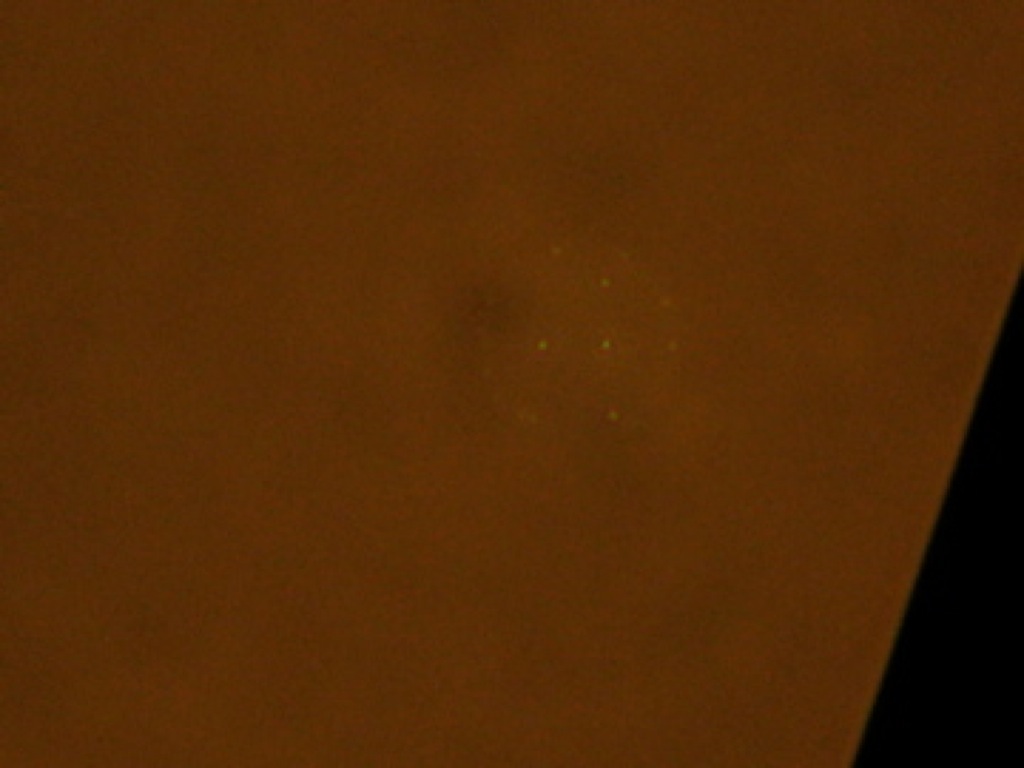
I also have been seeing circular defects which do not penetrate through the entire membrane, but seem to have pinholes within them. About 40% of membranes inspected so far have these features. The outer edge of the circles are the size of a medium pinhole (~25um) and the pinholes within the circle are very small (~5um?) Images taken at 20x with additional camera magnification. (reflection image followed by transmission)
So far of 29 samples counted only 1 is completely pinhole/circular defect/tear-free. The pinholes are very small however.
The tears are not surprising. I’ve seen these form in samples I’ve annealed after etching, as well. This is a stress phenomenon.
The drying spots are interesting. It seems that there are clusters of tiny pinholes within the spots. I wonder if there’s some residual EDP on the surface of the membrane that could be eating away at the membrane. It was extremely humid (64%) in the cleanroom over the weekend and I saw water condense on the wafer even after drying. The water drops could have picked up the EDP, which is why we only see the pinholes around the drying spots.
Karl, could you post the full resolution pictures?
I don’t know what to make of the edge tears, but I would like to take a look at them under the microscope. These features are not surprising when the samples are crystallized as membranes, but these were crystallized on-wafer.
I don’t think the pinhole features go through, as Dave and I saw a similar feature in the TEM, and the membrane was not affected – it just looked like some organic junk on the membrane. It may just be a lensing effect by tiny clear particles that make them look like pinholes under the microscope. I’d like to look at some of these features on Brian’s scope as well…
Any burst pressure data yet? If those are really tears, they would be very weak…
Thanks!!