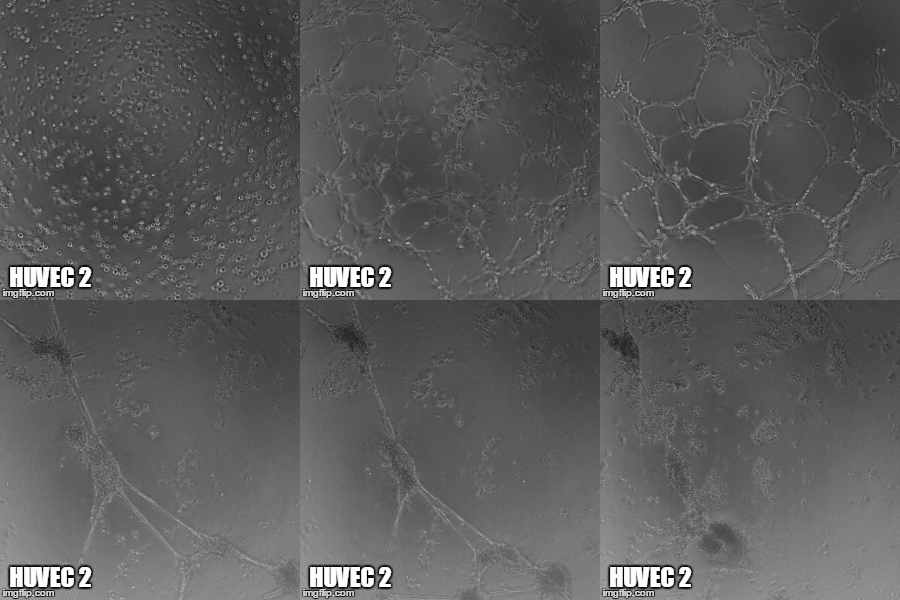
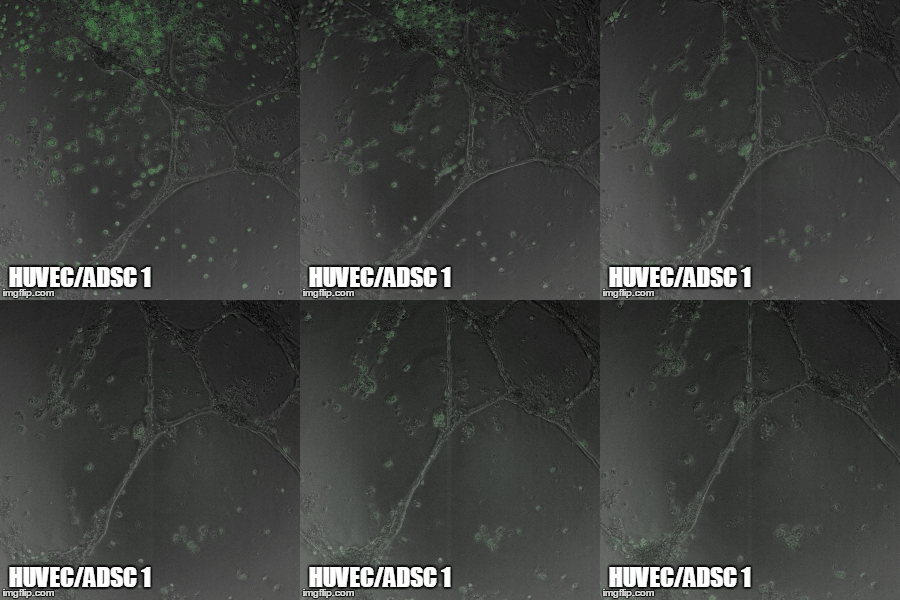
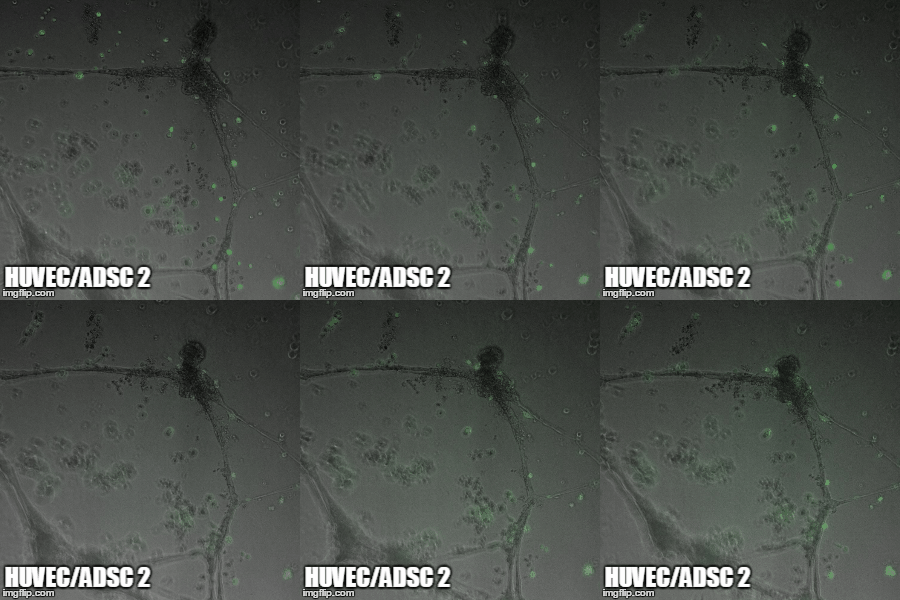
Formation of HUVEC Networks and Migration of ADSC Toward Networks
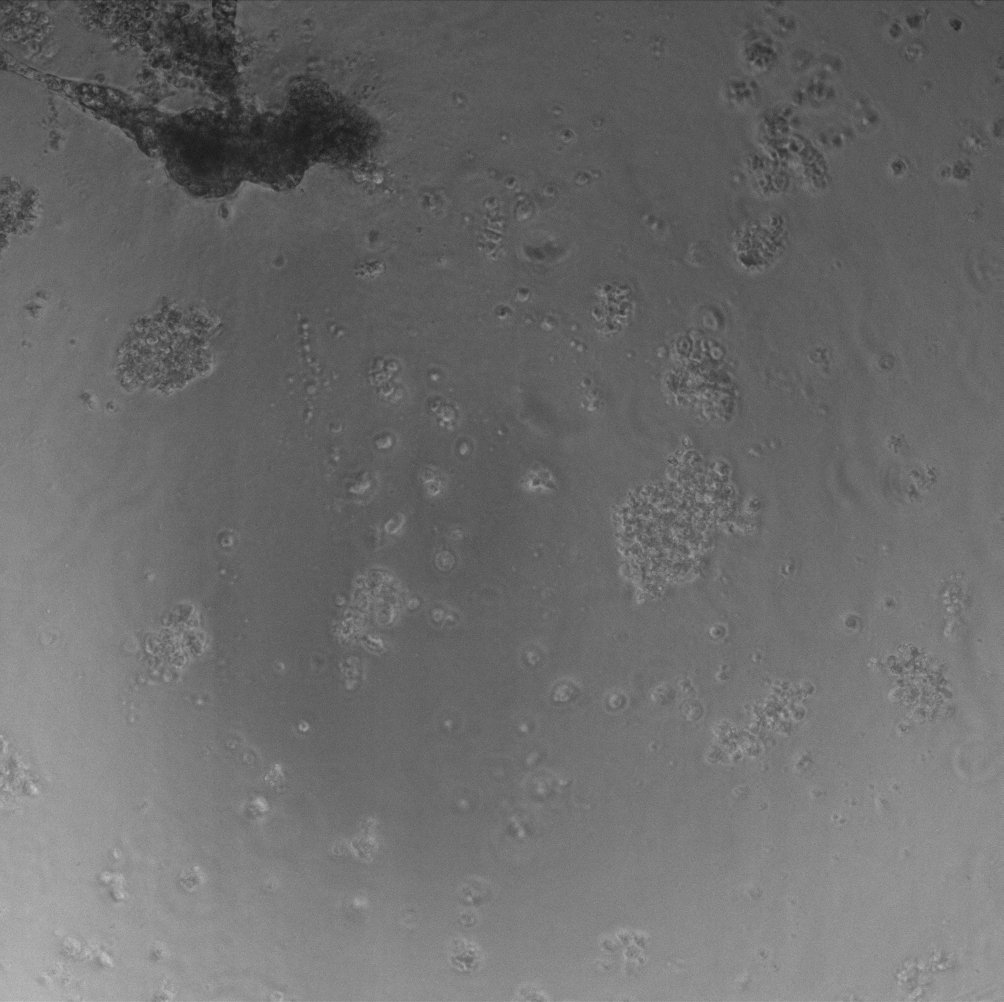
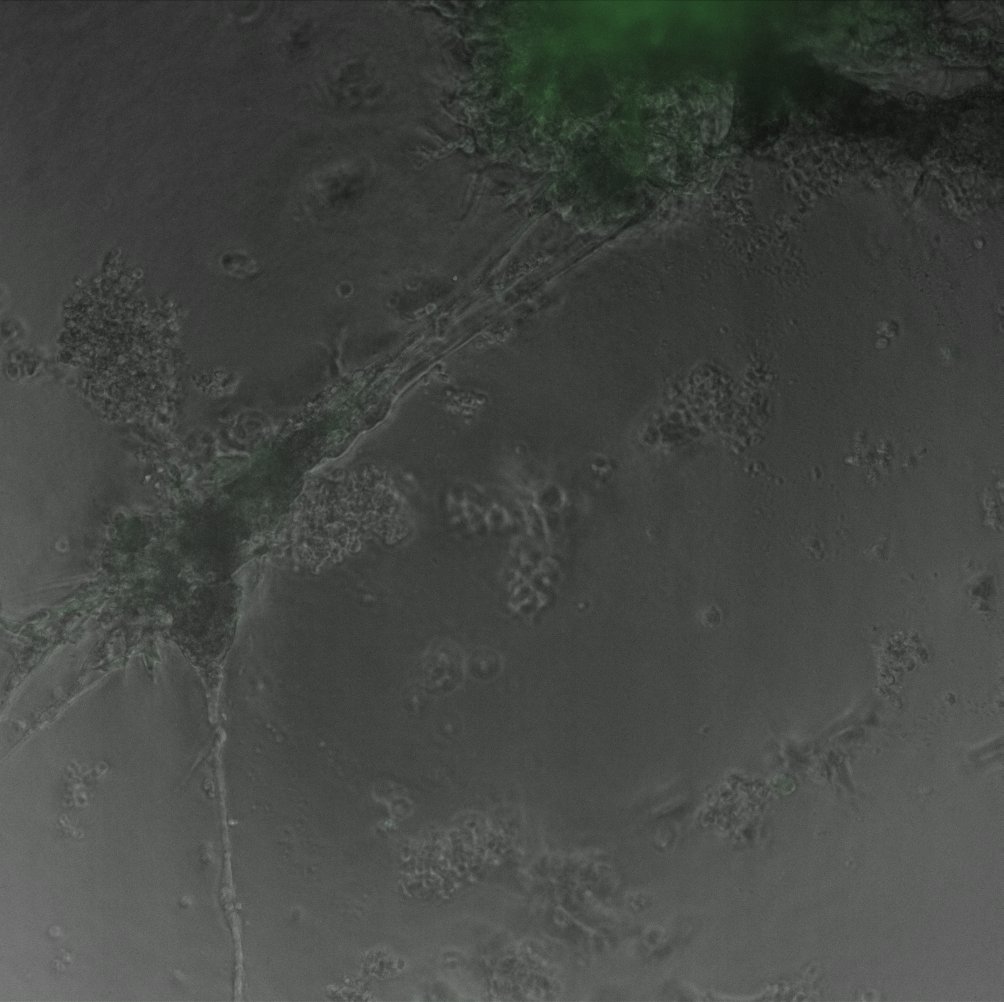
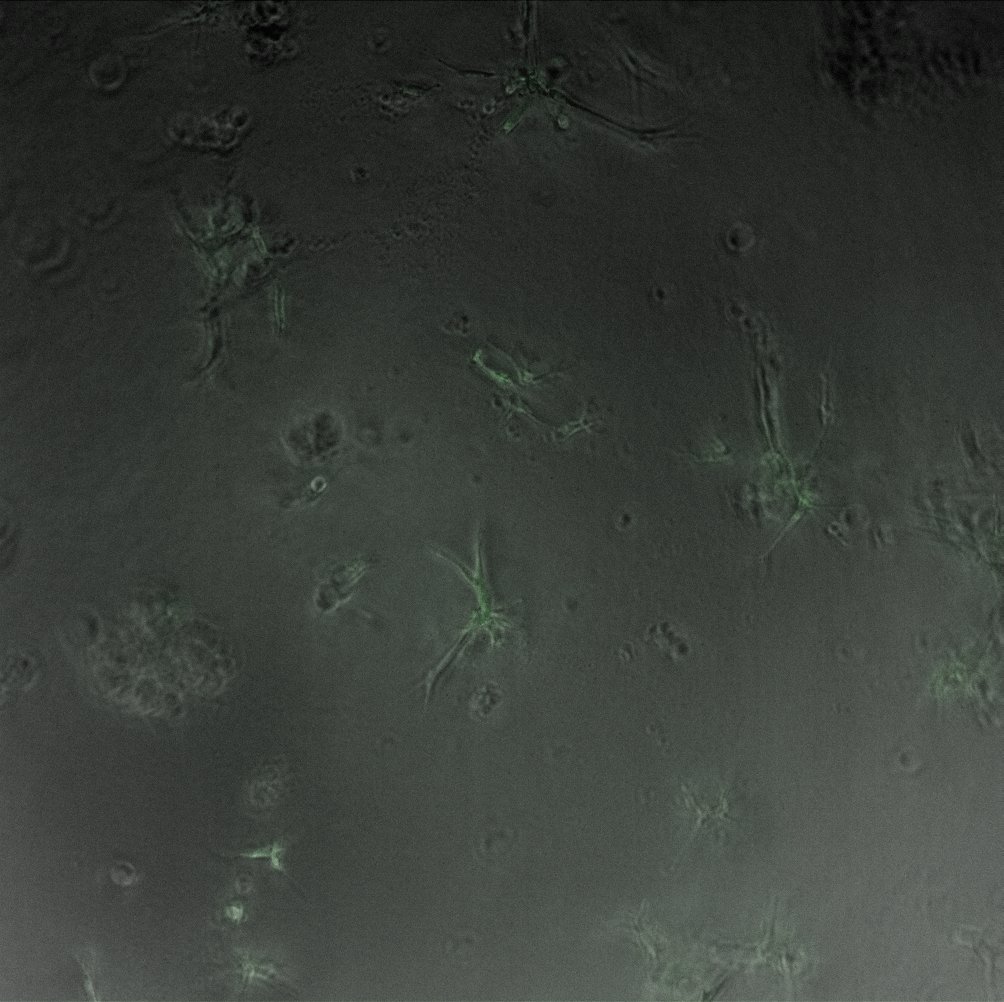
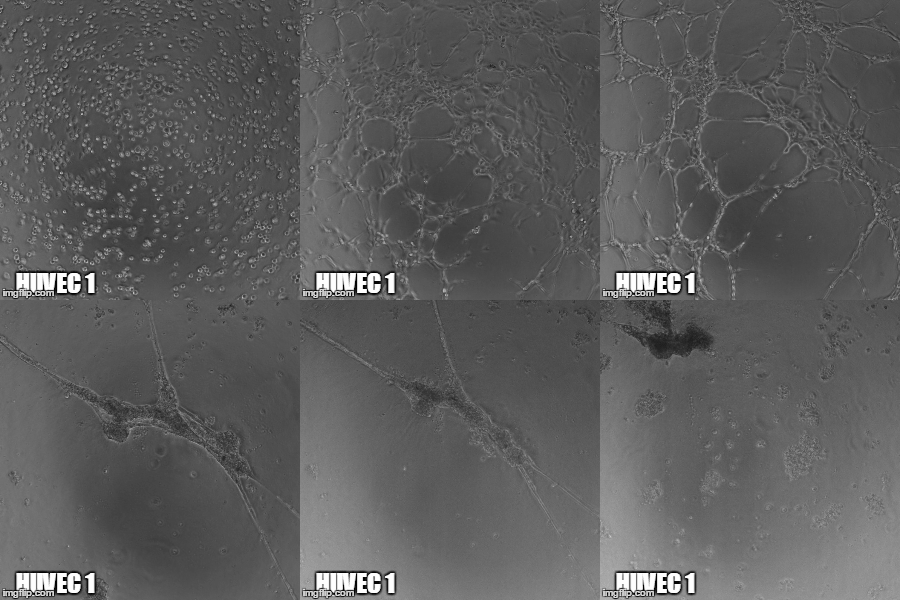
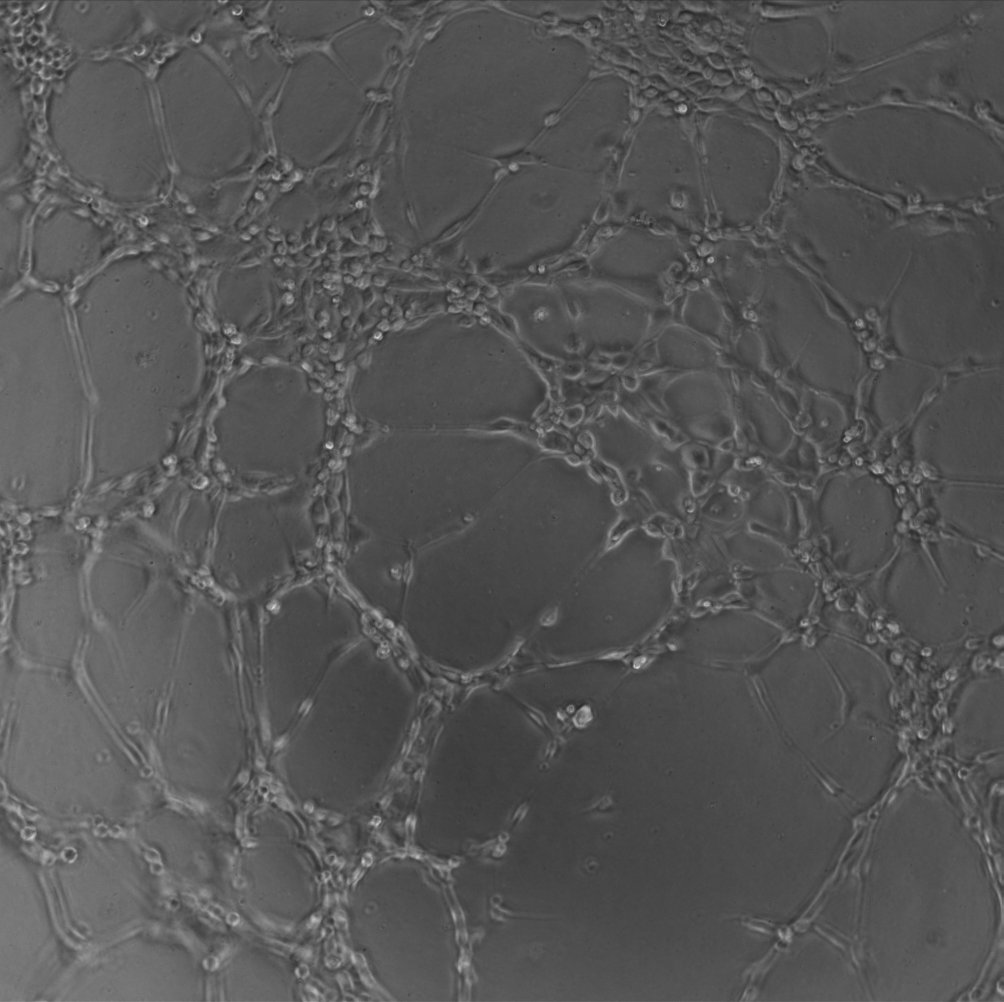
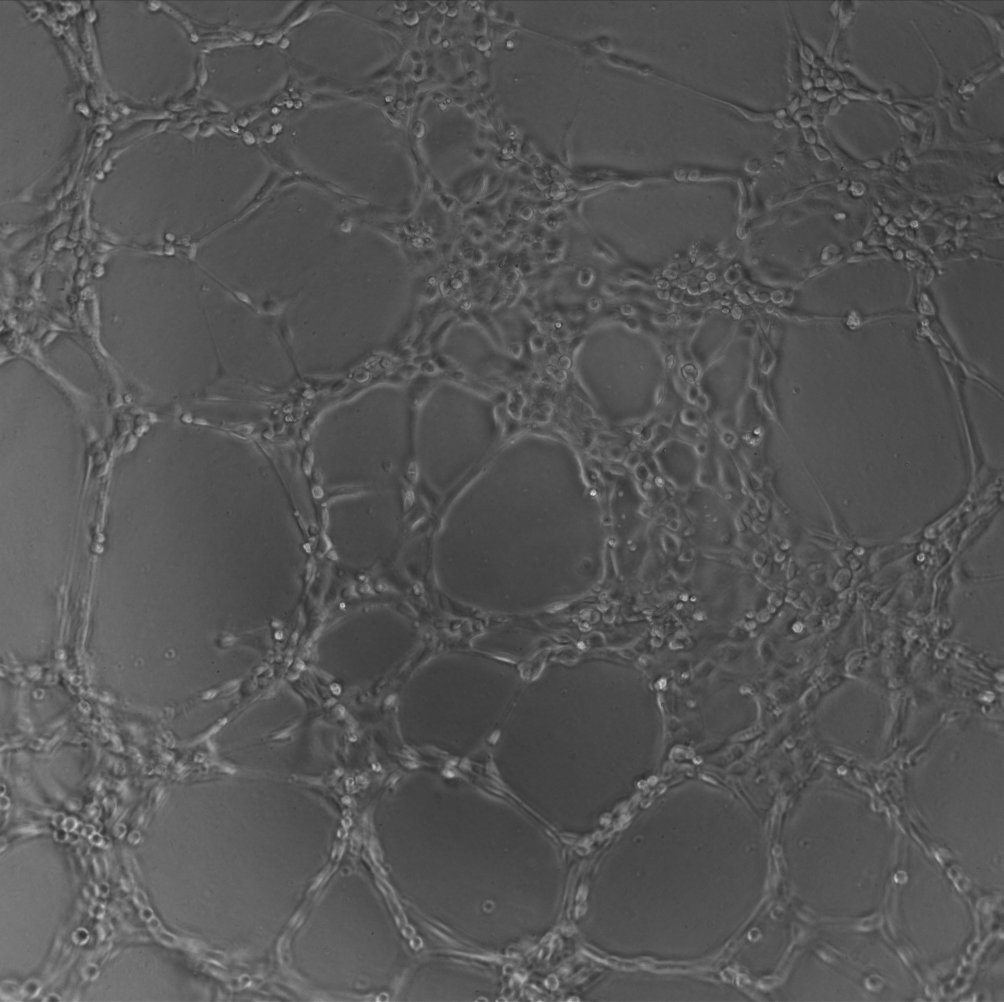
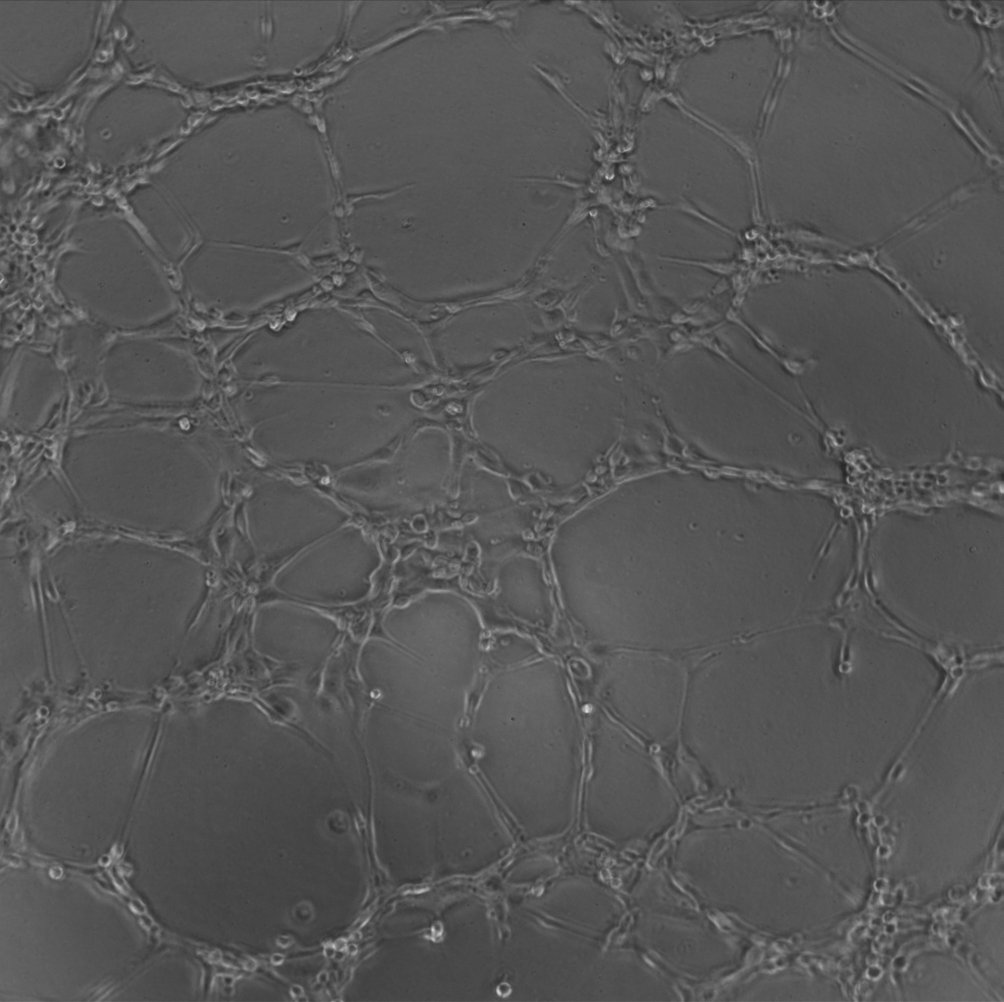
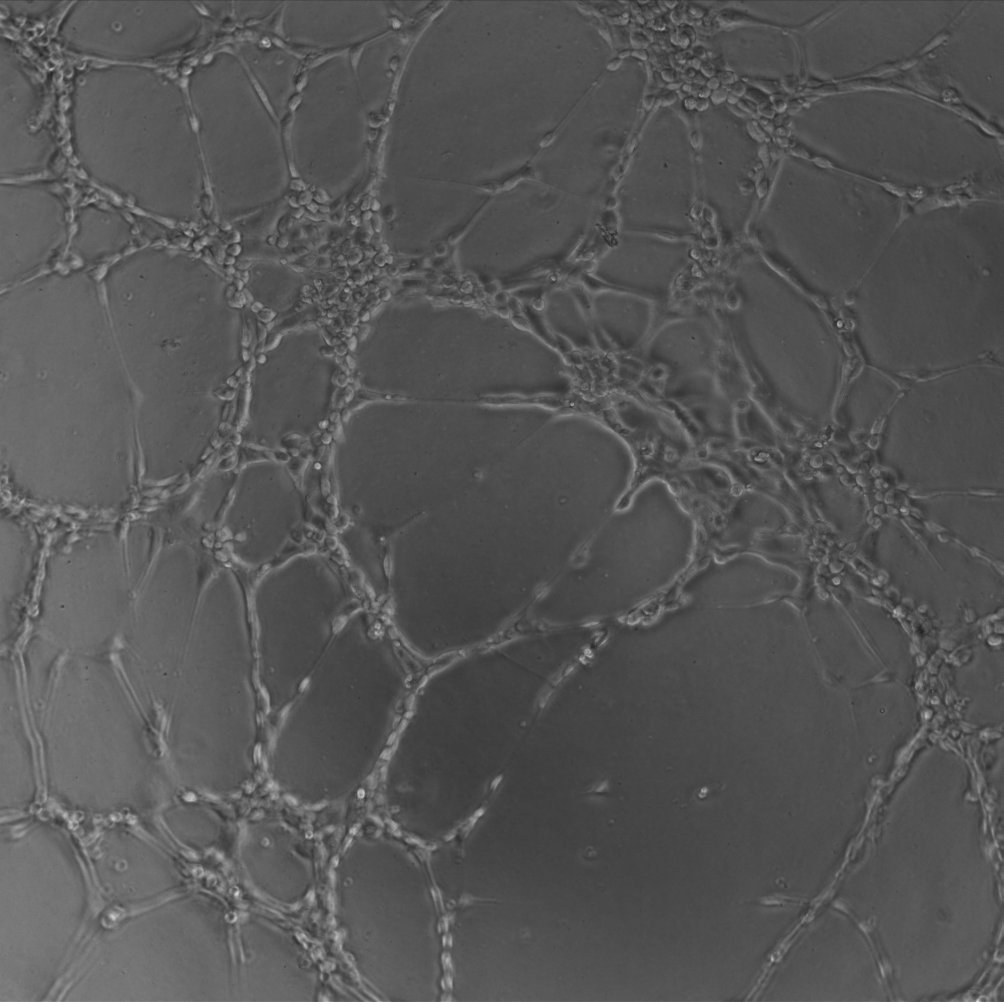
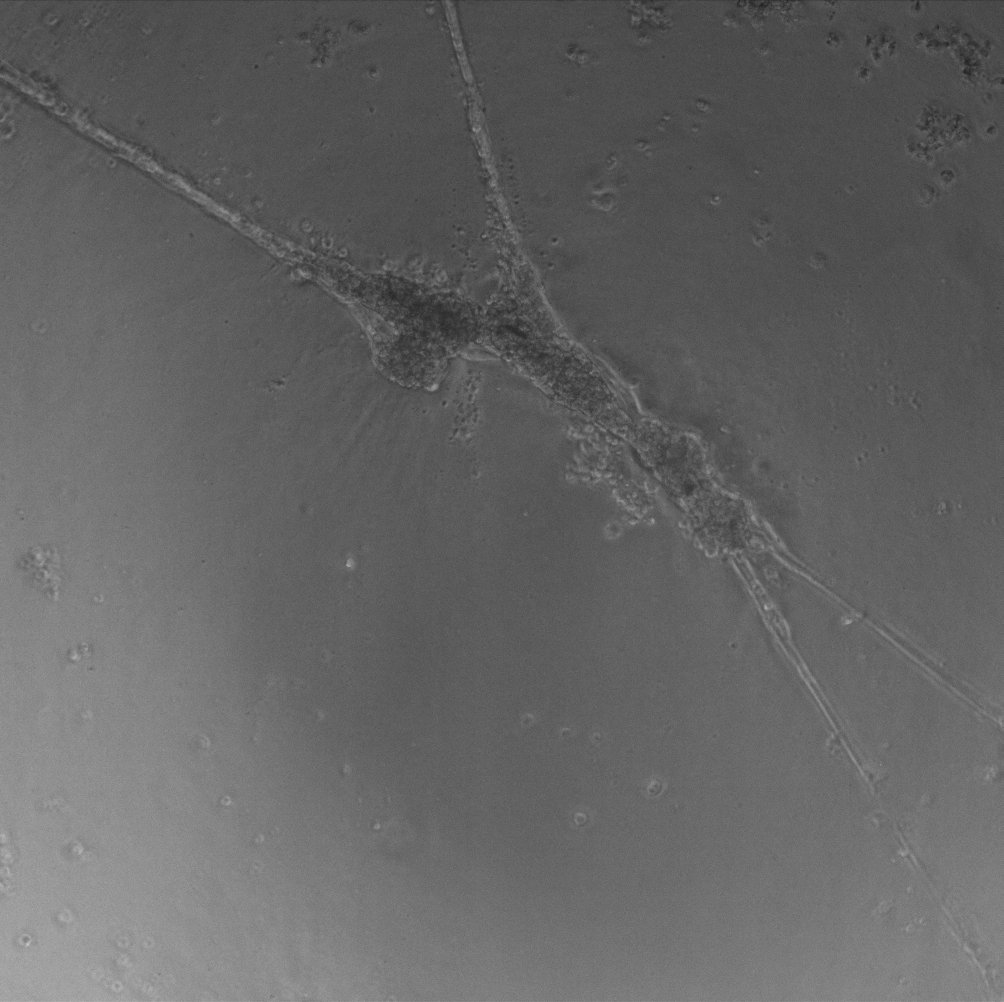
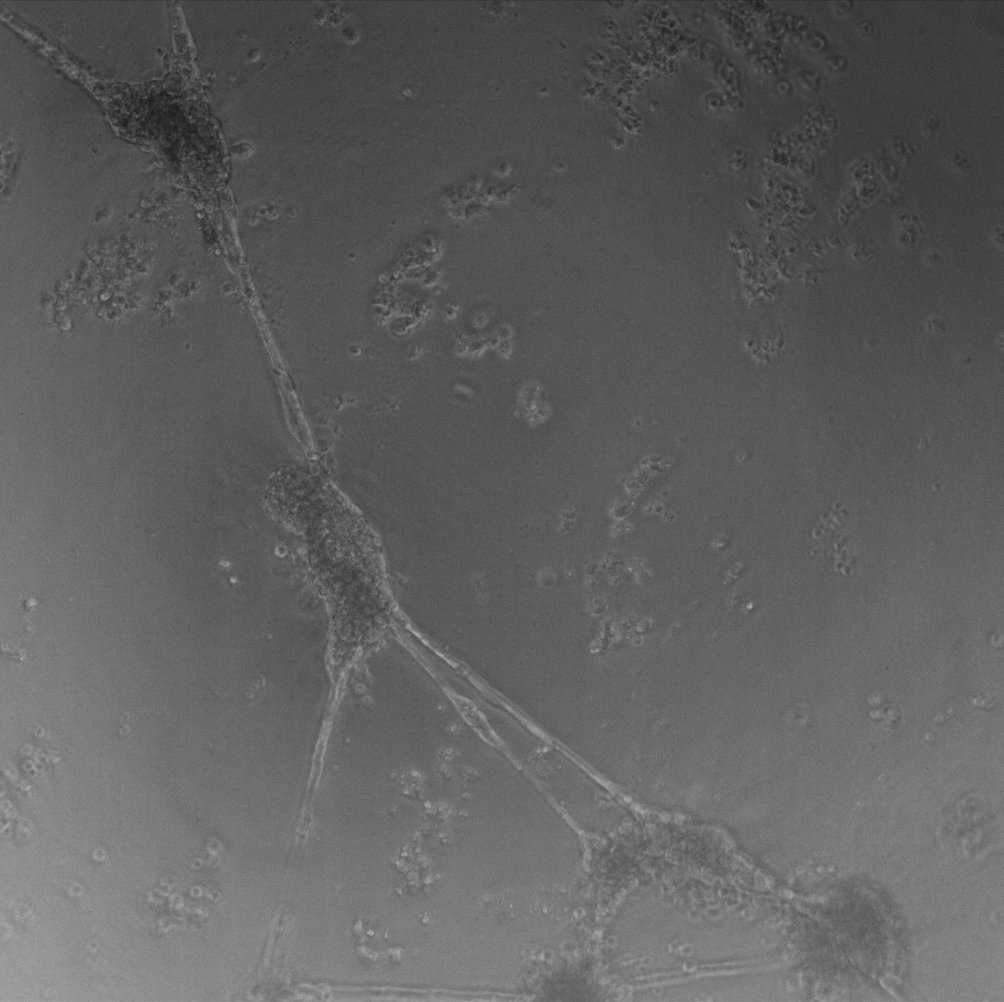
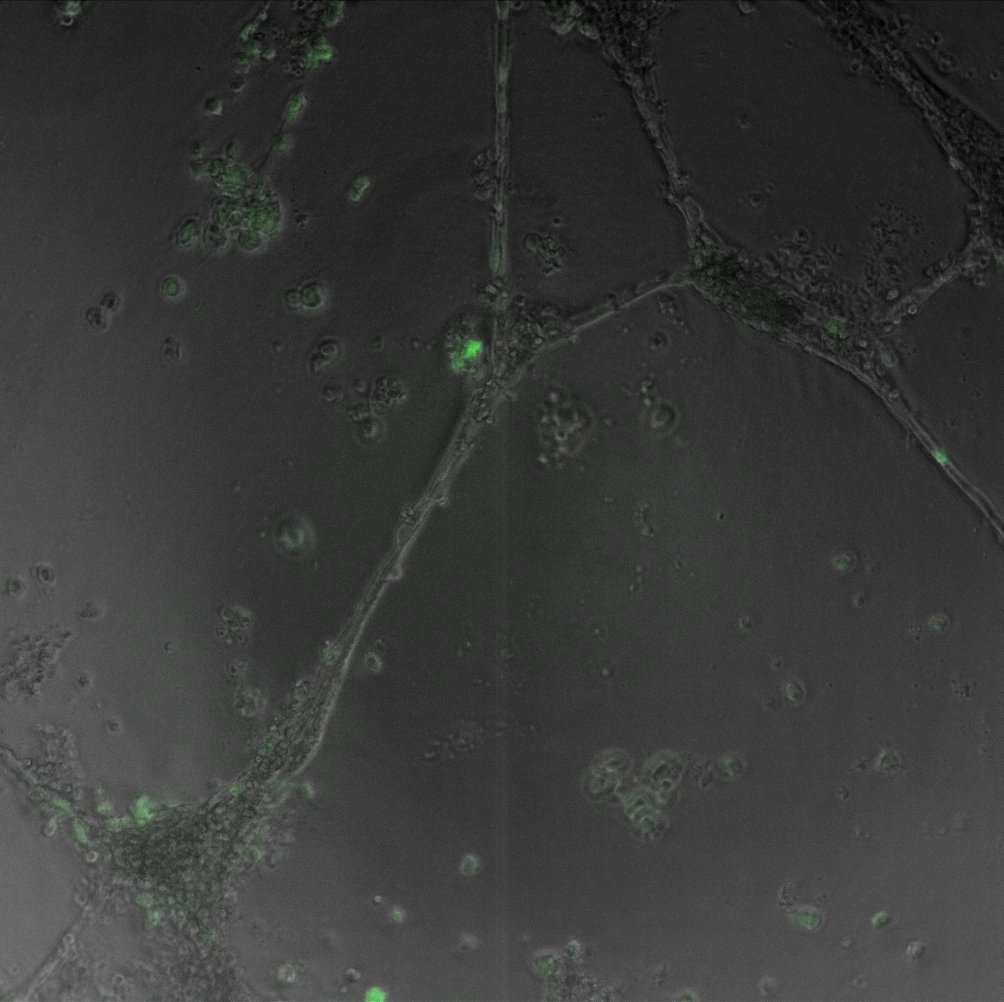
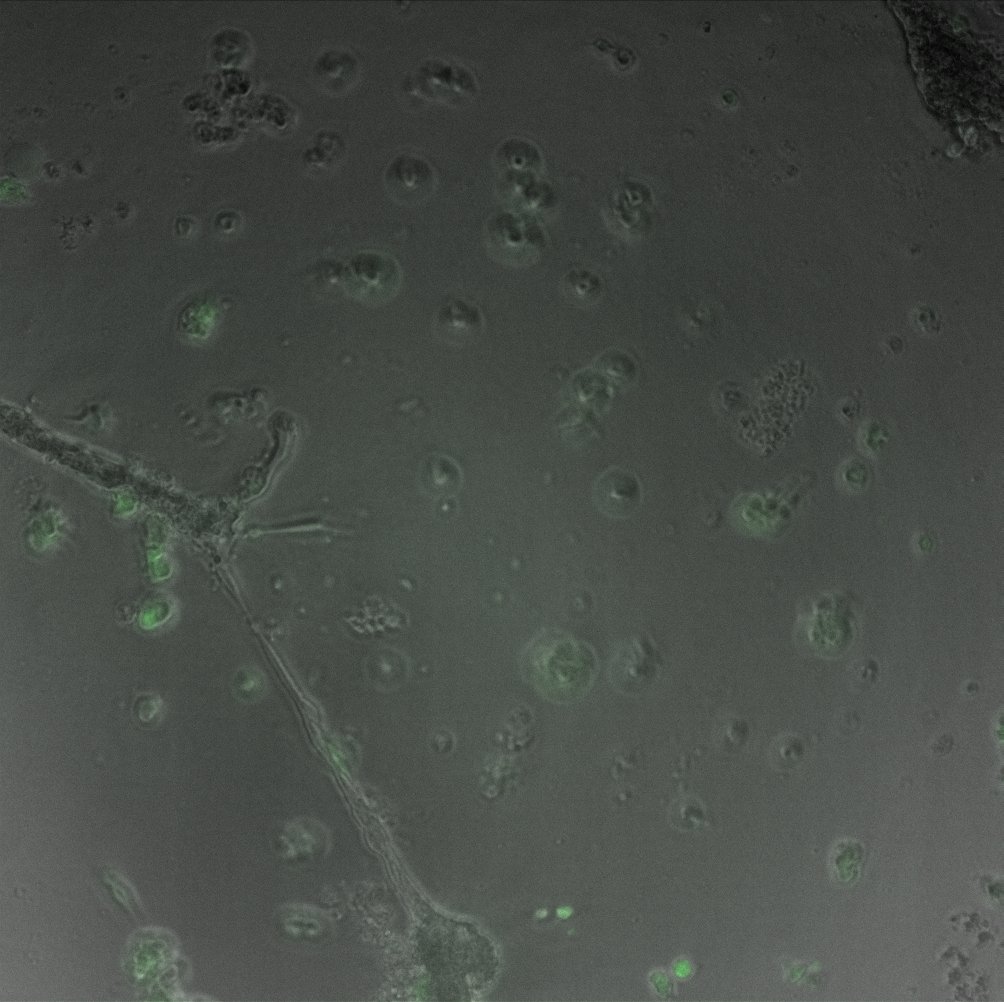
We wanted to prove our previous findings that ADSC crawl toward HUVEC networks and alter them. We did this by using time lapse imagery to demonstrate the migration. We also wanted to show the process of HUVEC network formation. We wanted to use the time lapse imagery to see how quickly ADSC migrate to HUVEC networks and to see if they only migrate toward branch points, or if they also migrate toward tubes.
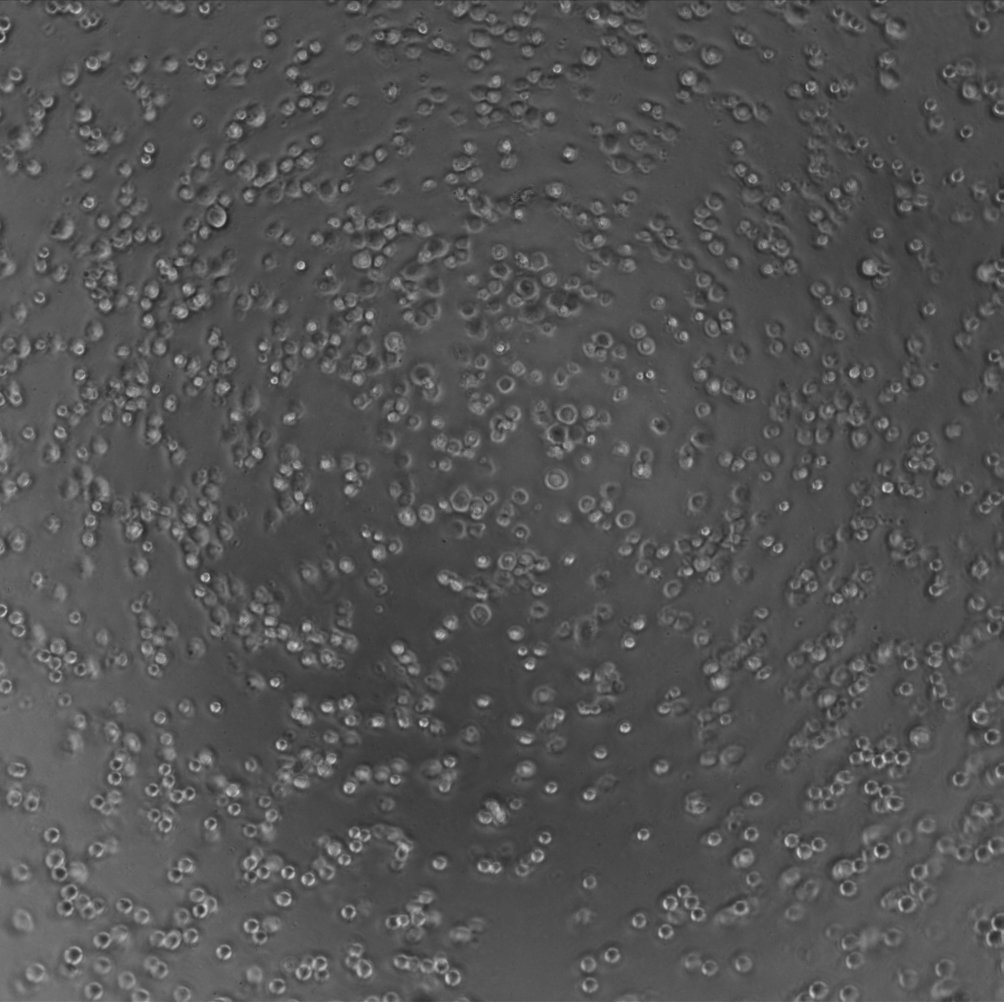
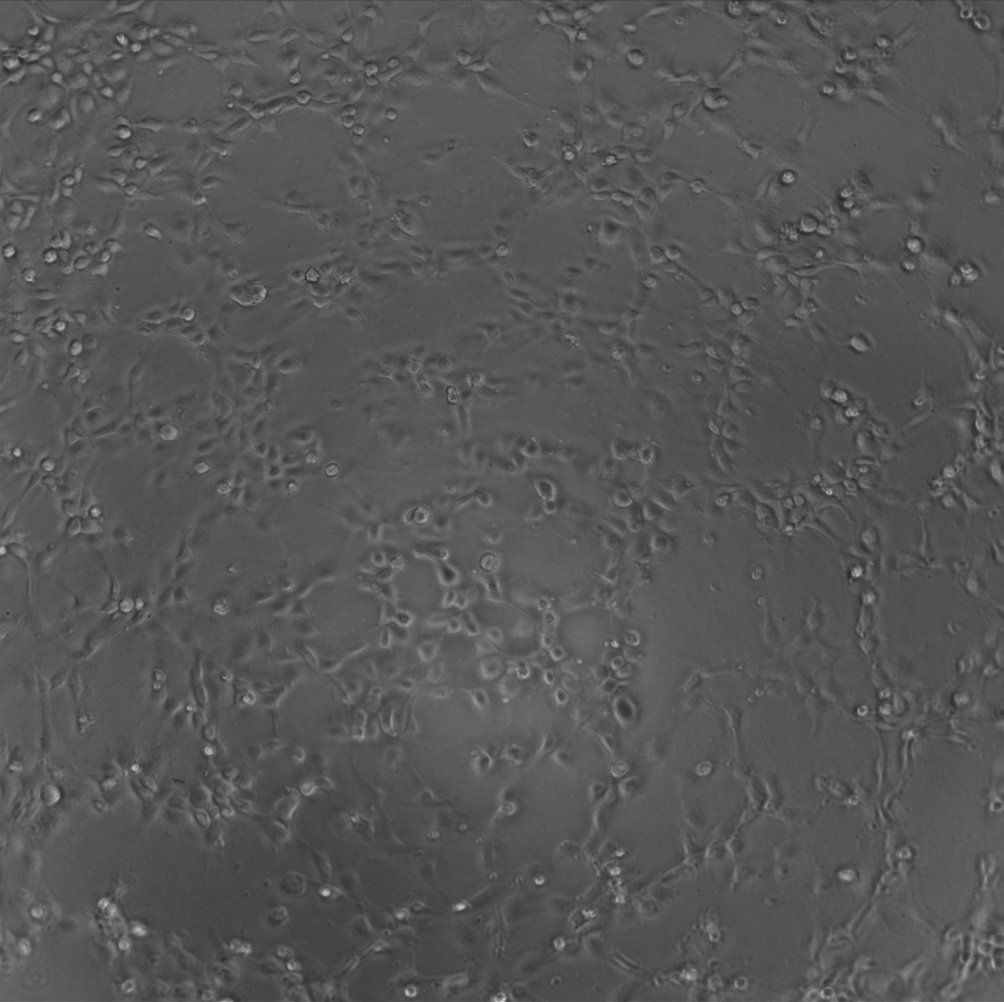
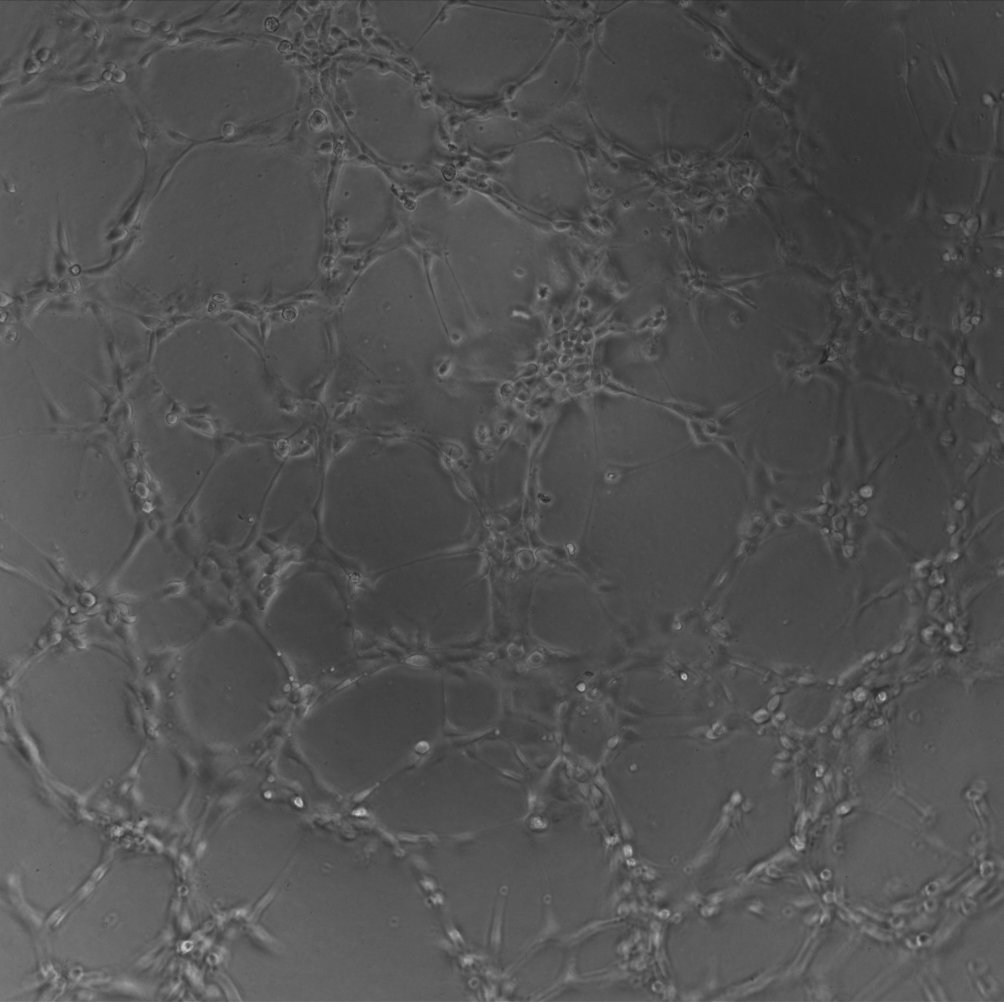
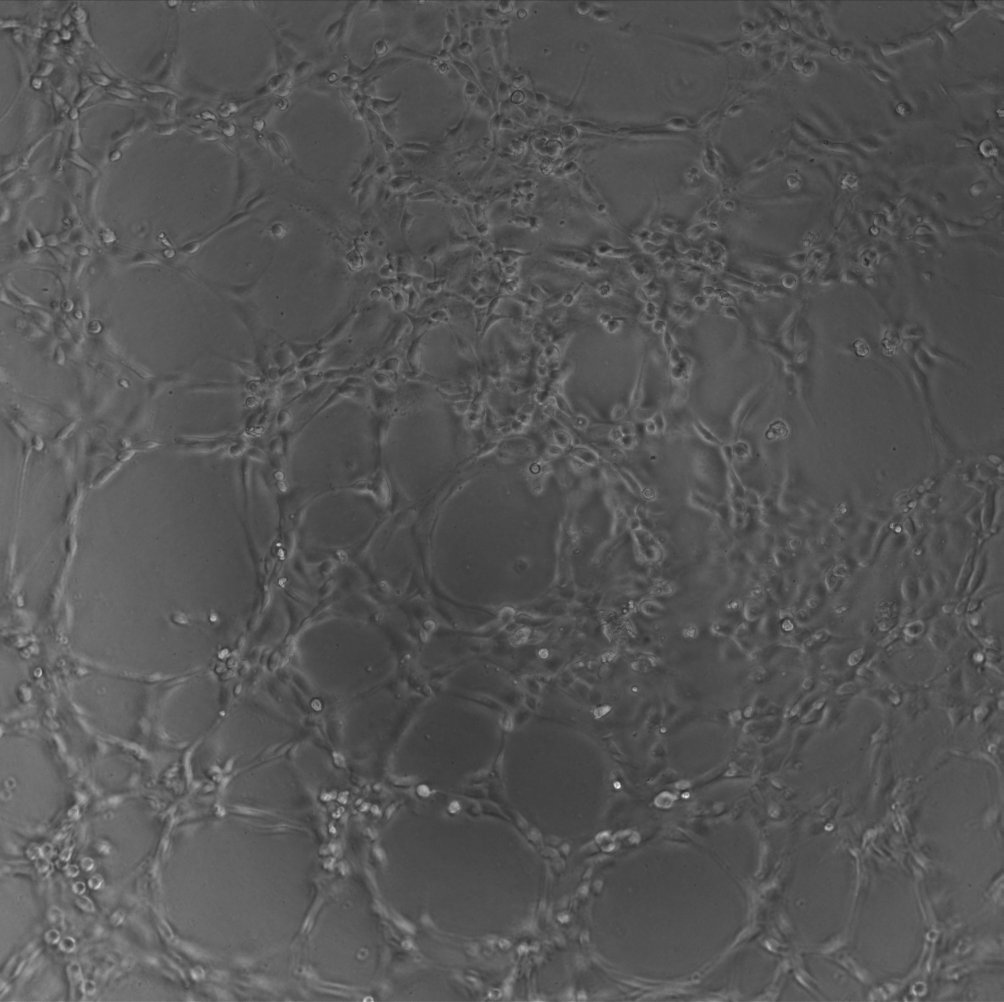
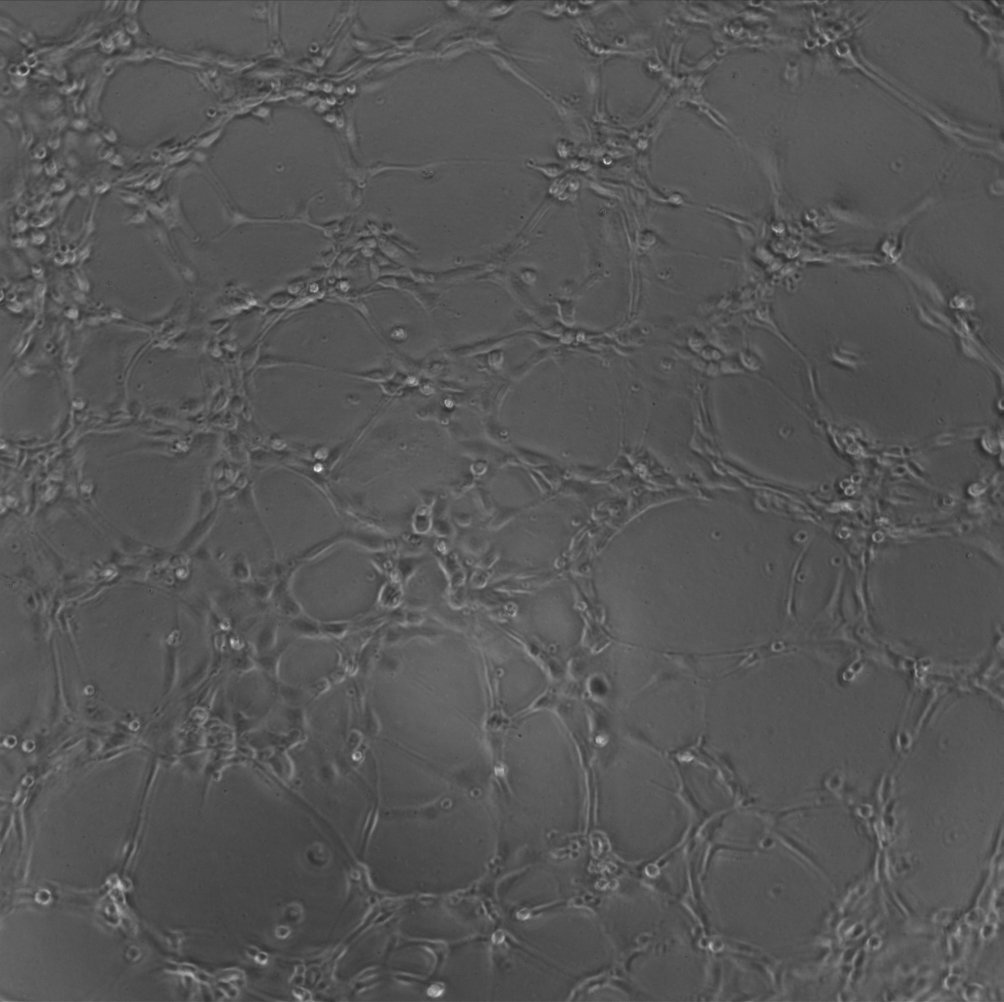
I coated a 96 well plate with 100% GelTrex (LDEV-Free Reduced Growth Factor Basement Membrane Matrix, Gibco, Life Technologies, USA) and placed it in the incubator overnight. The next day I seeded 20,000 HUVEC cells in the Geltrex and took pictures at t=0hrs and every hour until t=4 hrs. I then placed the plate in the incubator over night again and in the morning seeded 2,000 ADSC cells on top of the previously formed HUVEC networks. After seeding the ADSC, I took pictures of the co-cultured wells at t=24hrs and every 15 minutes until t=28hrs. I also took pictures of the HUVEC alone wells at t=24hrs and t=28hrs. I took pictures again at t=48hrs.
I stayed consistent by saving the picture x,y coordinates in the imaging program. This cut the time to take 8 pictures down to an average of 3 minutes, never going over 4 minutes or under 2. I kept the fluorescent intensity low, in order to lessen the effects of photobleaching.
0 HUVEC 1 HUVEC 2 HUVEC/ADSC 1 HUVEC/ADSC 2
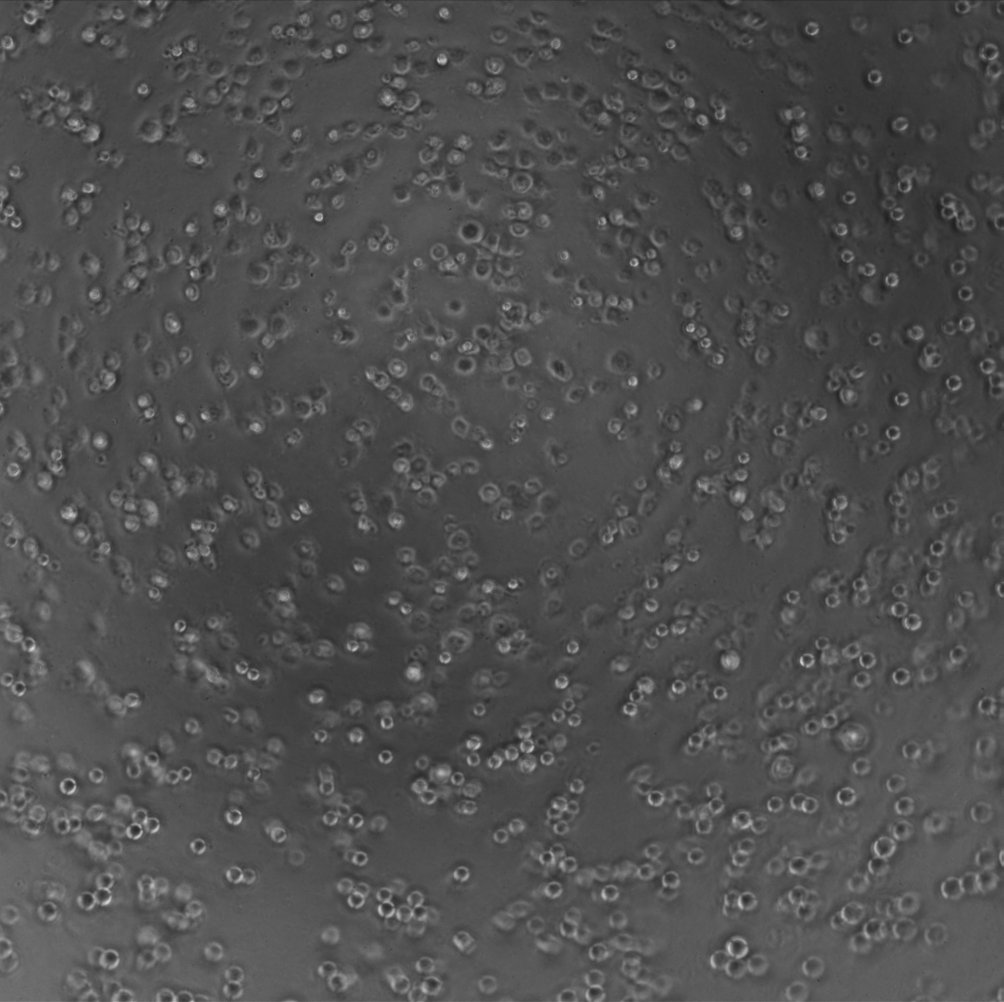

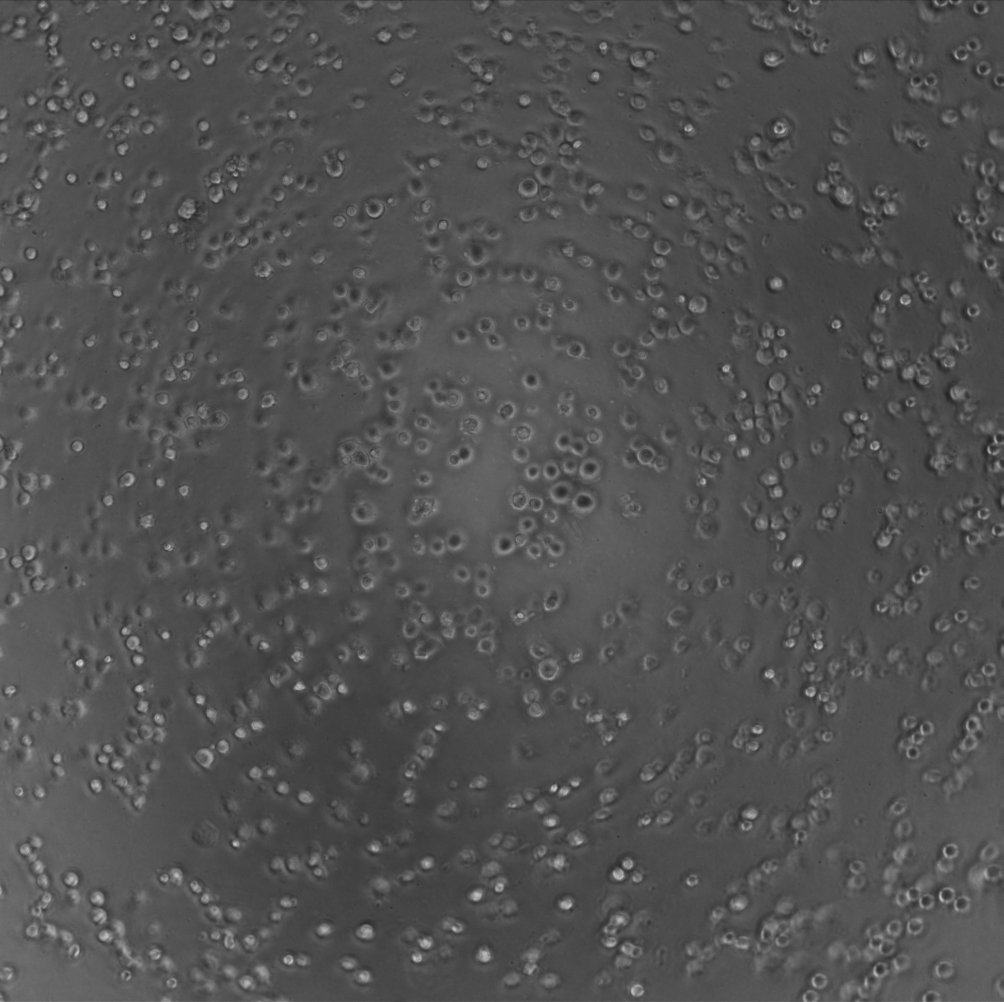
1

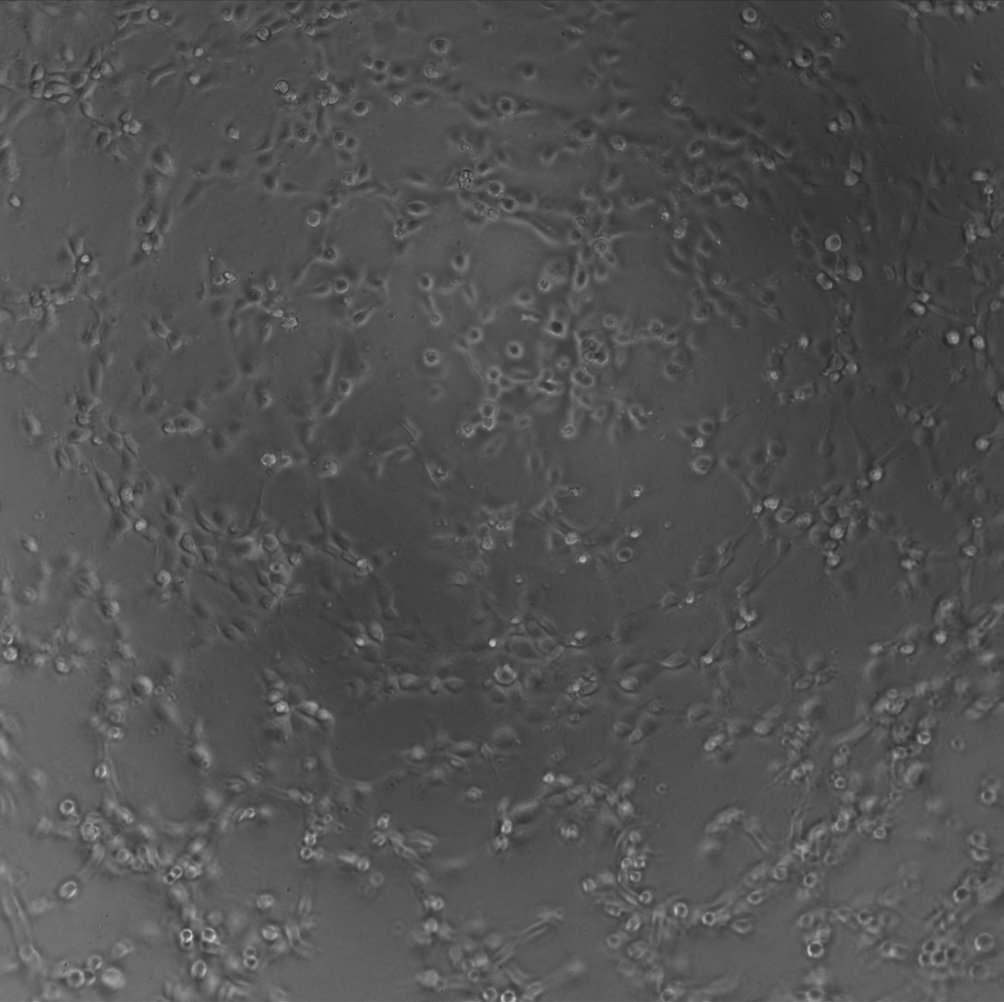
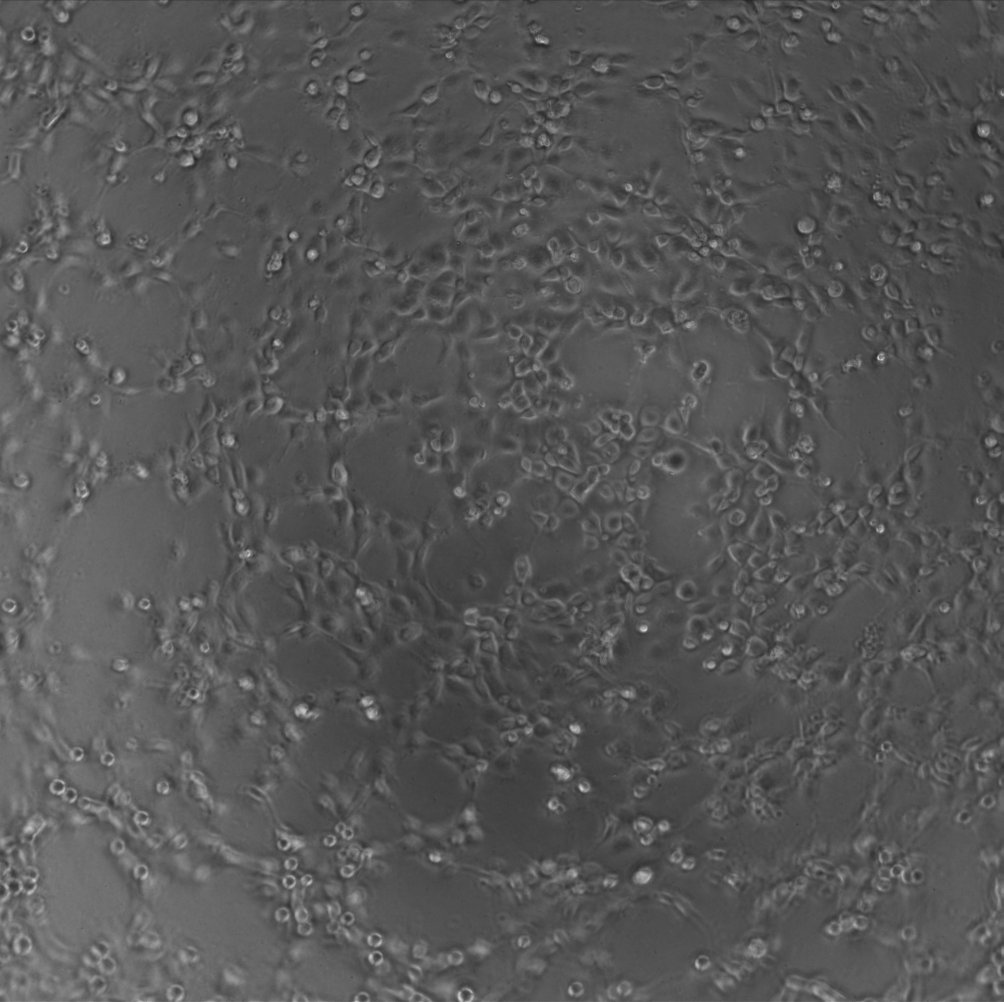
2
3

4

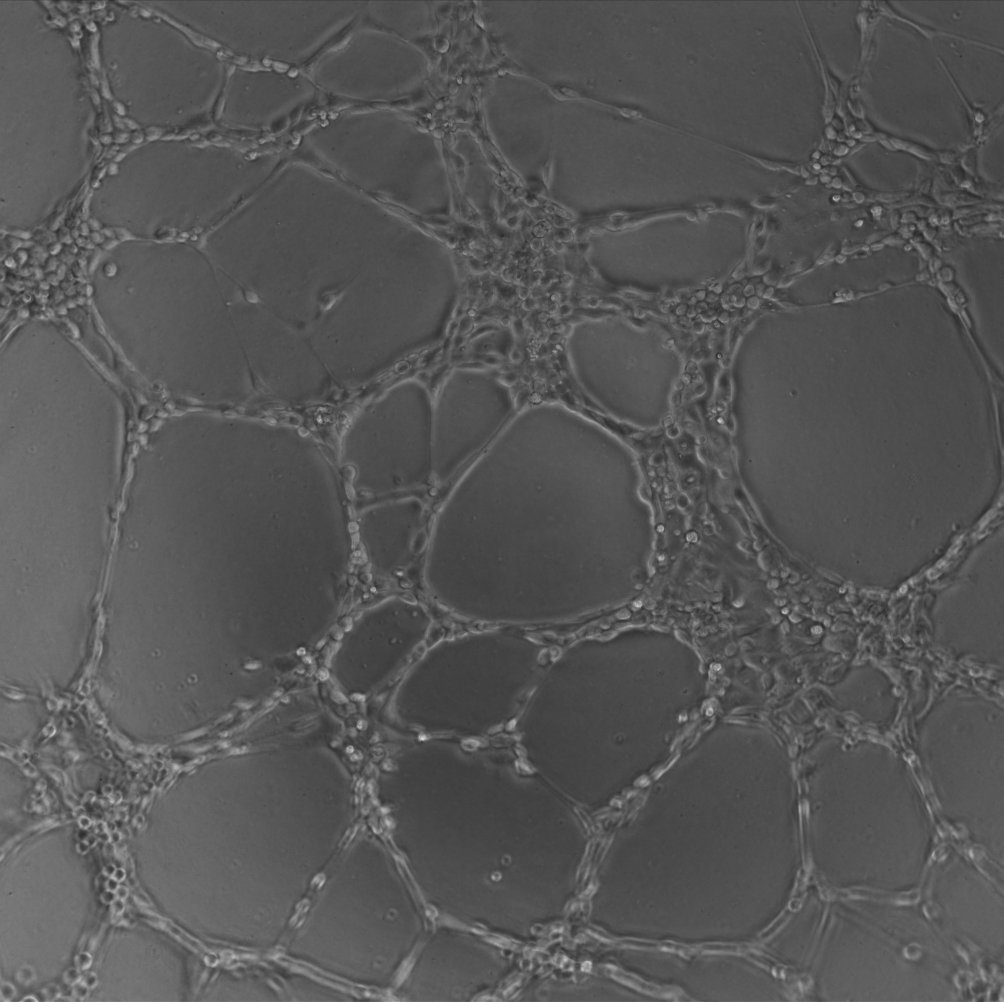
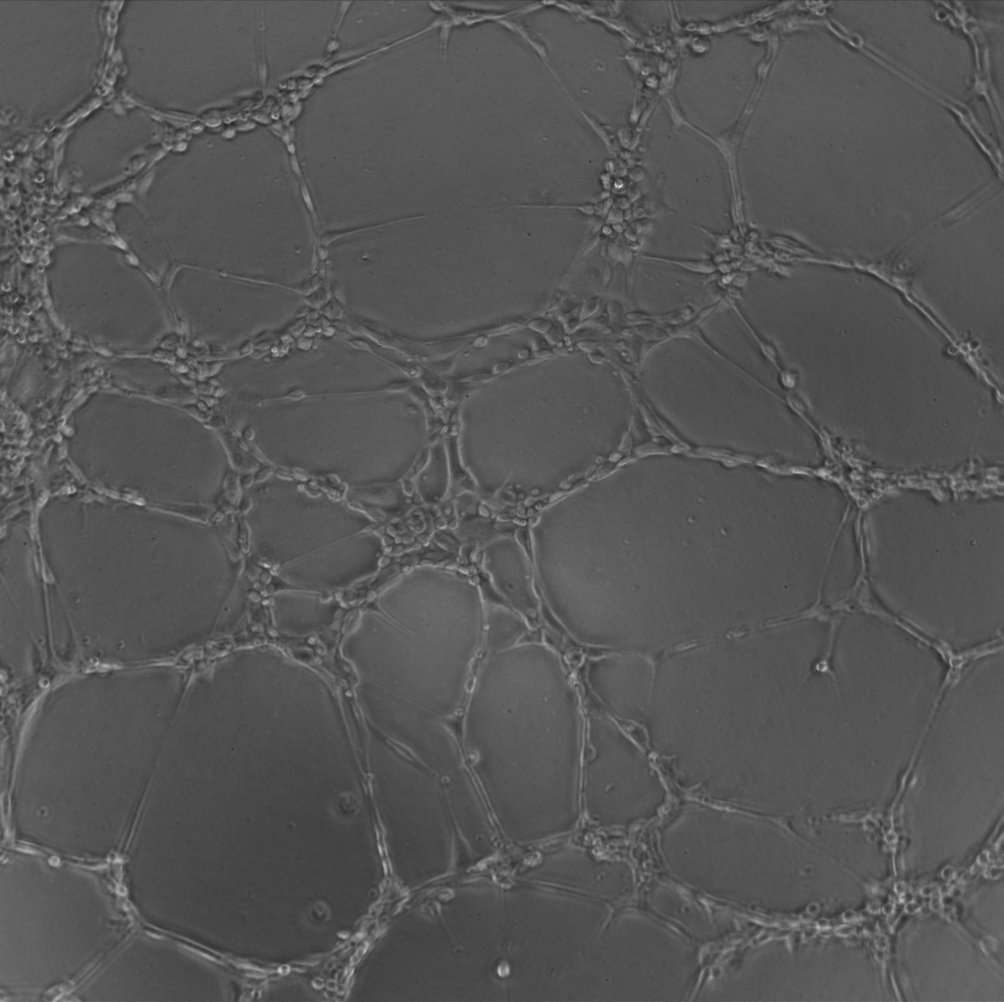
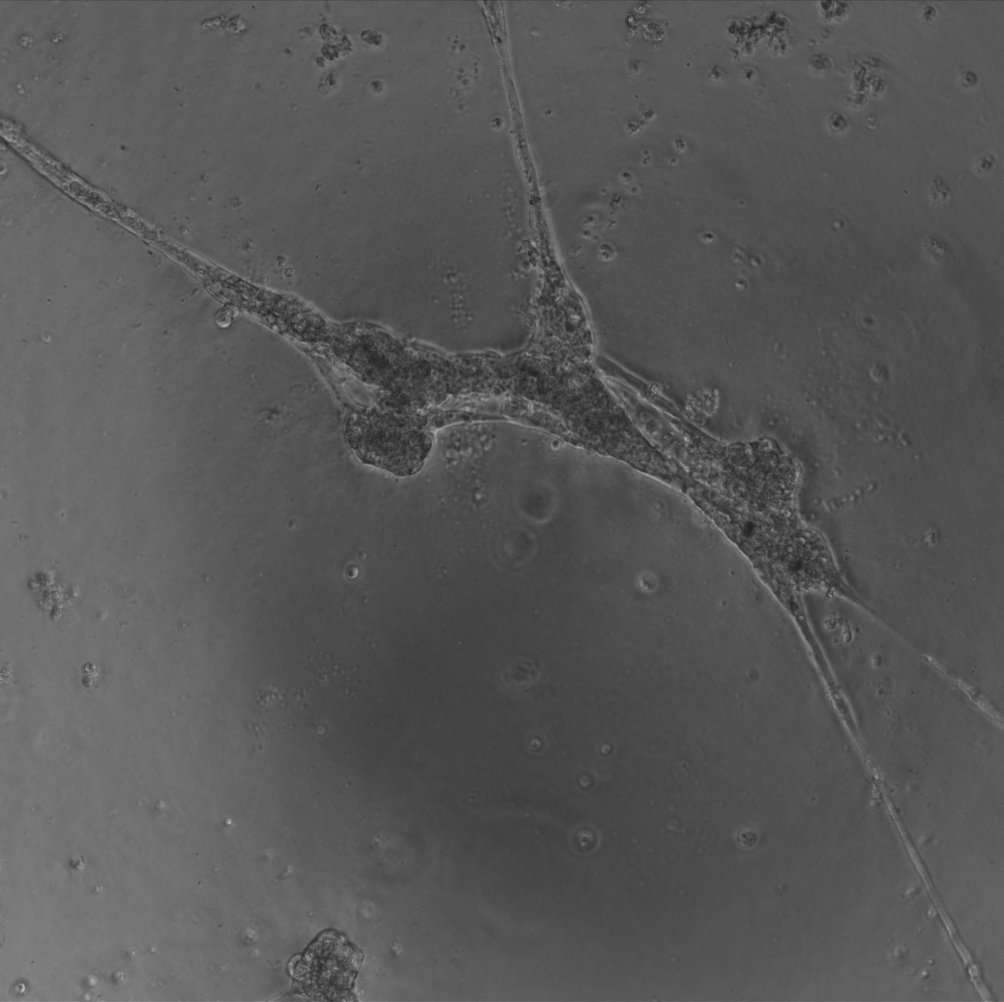
24
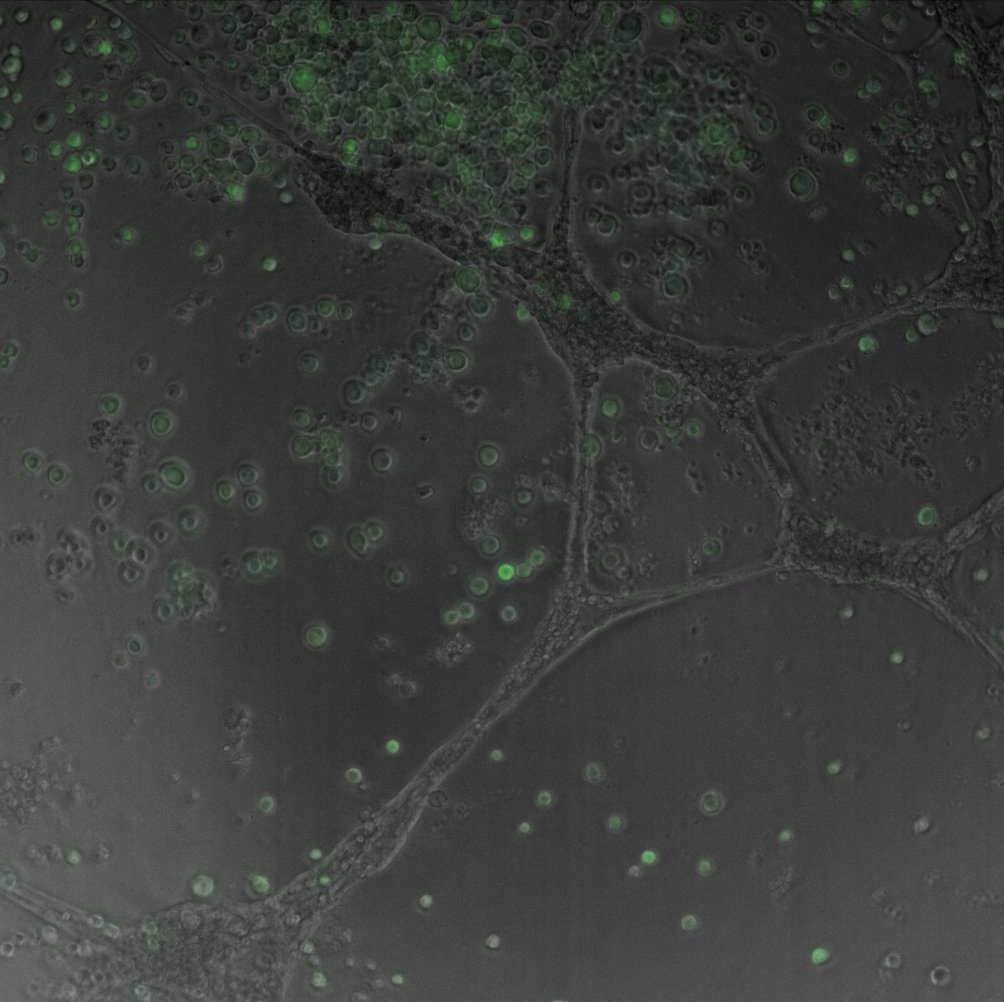

28
48