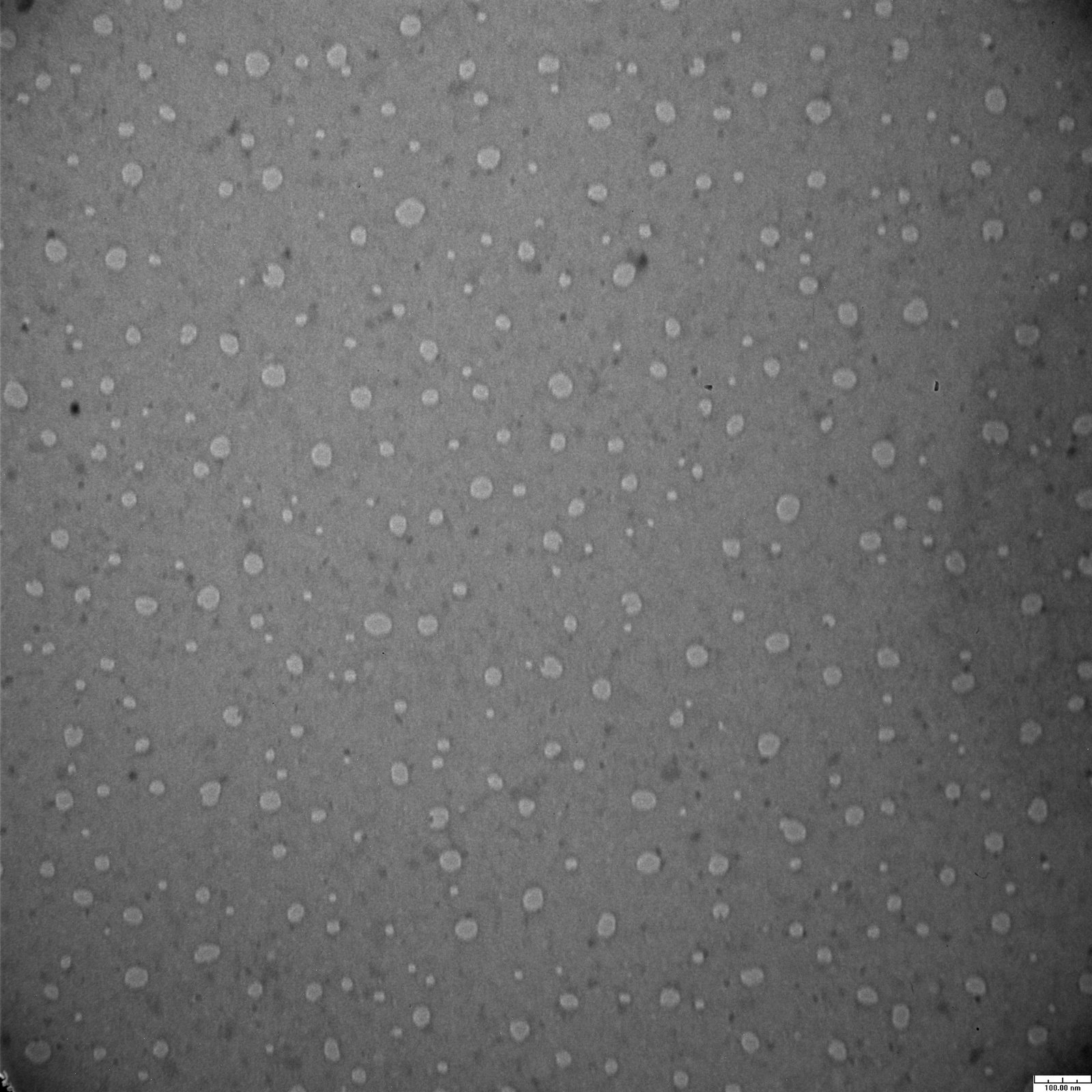
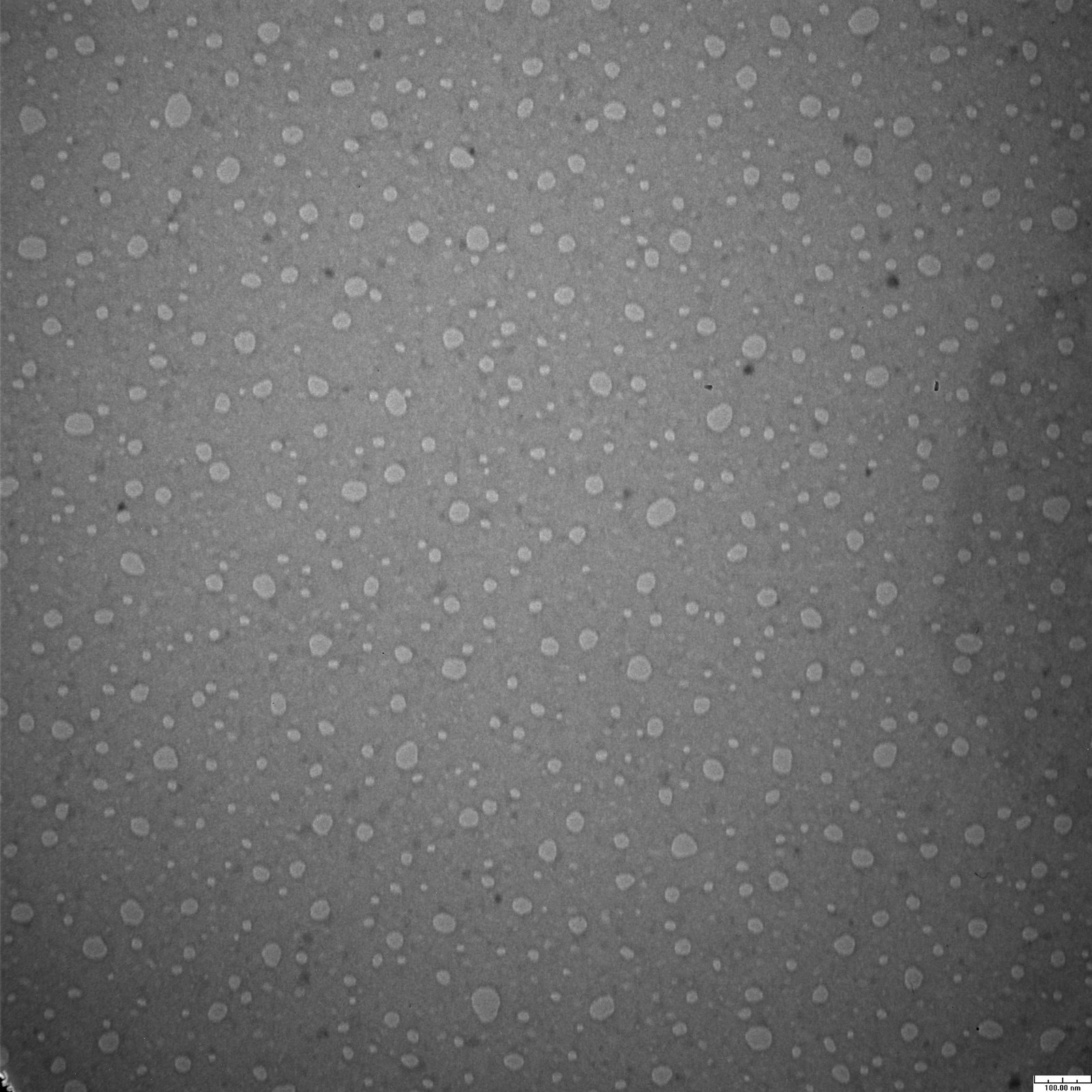
Uniformity!
Wafer 403 was processed last week using the new thermal oxide/TEOS steps outlined in the previous posts. I took images from six positions at different radial positions on different axis. All six samples looked relatively uniform!
This summer I’ll be working on preliminary development of technology that might lead to SiMPore drug discovery assays. The goal is to use SiMPore membranes to create much more efficient and generalized assays, which represents a big opportunity for the company. However, several challenges need to be addressed in order to make such a device…
Last week we attempted to mimic our standard CVC recipe in the AJA system (15 nm Si, 450 C deposition temp, 1000 C RTP). I should note that the protective oxide thickness in the AJA membrane was 20 nm (not 40 nm as it was in the CVC). Below are two images comparing the AJA…
In our previous post I relate how our first experience with the membranes encountered some difficulties. These were mostly of two kinds: clogging or braking of the membrane and somewhat arbitrary sizing of the particles. We think we have fixed both. In our latest experiments we have used manually-extruded particles. These are obtained after the…
Introduction This post is another update in my series of experiments aiming to both characterize and validate the CAD-LB platform. We have now shifted our focus to validating CAD-LB biomarker detection which will be done using multiple experimental models. The most recent model, and the topic of this post, uses HUVEC cells to validate the…
Last week, I attended the American Society of Exosomes and Microvesicles (ASEMV) conference in Monterey, Ca and presented a poster on the work that I’ve been doing. Despite a very low turnout for my poster session (due to the scheduling of a long break before and dinner after), I met with some very interesting people…
In 5.4 mm single slot chips, sheep blood was flowed at 3 µL/min though the 3 mm x 1 mm channels with PBS flowed at the same rate but in the opposite direction for four hours. The chips were pre-wetted with PBS and rinsed following flow. The membrane surfaces were fixed with 4% paraformaldehyde for…
Comments are closed.
Thats great, Dave. Nice job materials people.
Bravo!