Smooth and Suspended Nanomembrane Tents

I wrote about my experiences tenting nanomembranes here. I delaminated NPN material across a bunch of substrates and found that the film would actually form a nanocavity if spread across a sufficiently small surface (I estimated it to be 1-2 microns over a 50 nm height difference). Simpore fabricated a number of small substrates with varying spacer features in the oxide.

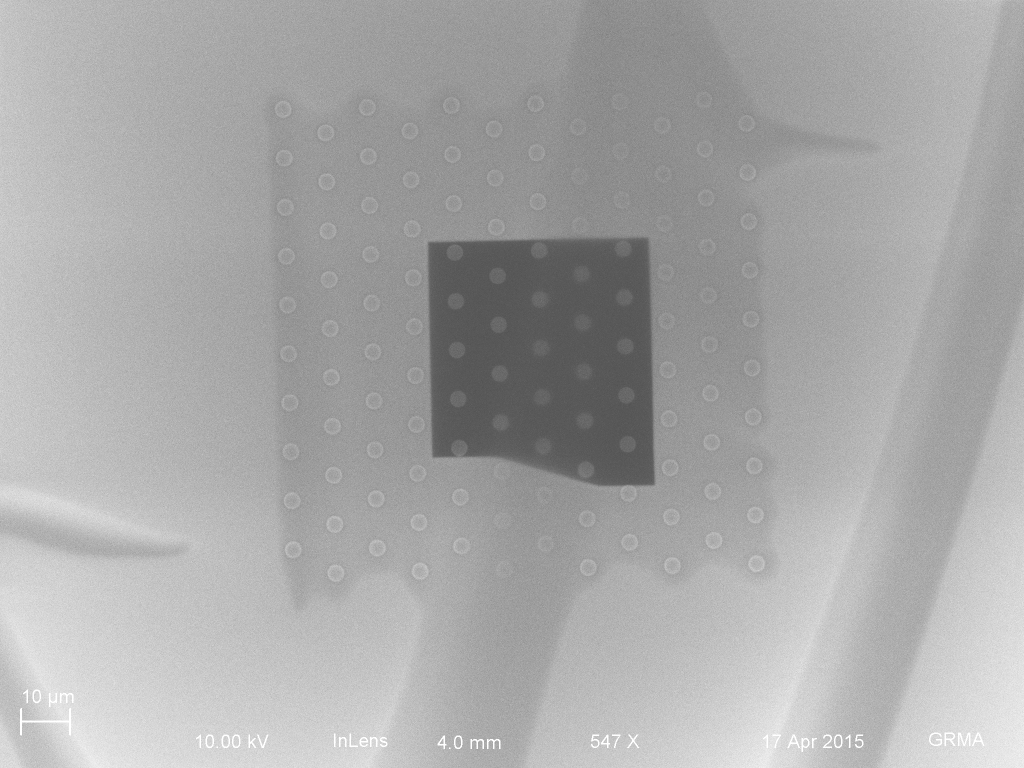
a) 5 micron posts (underexposed, smaller) with 10 micron pitch

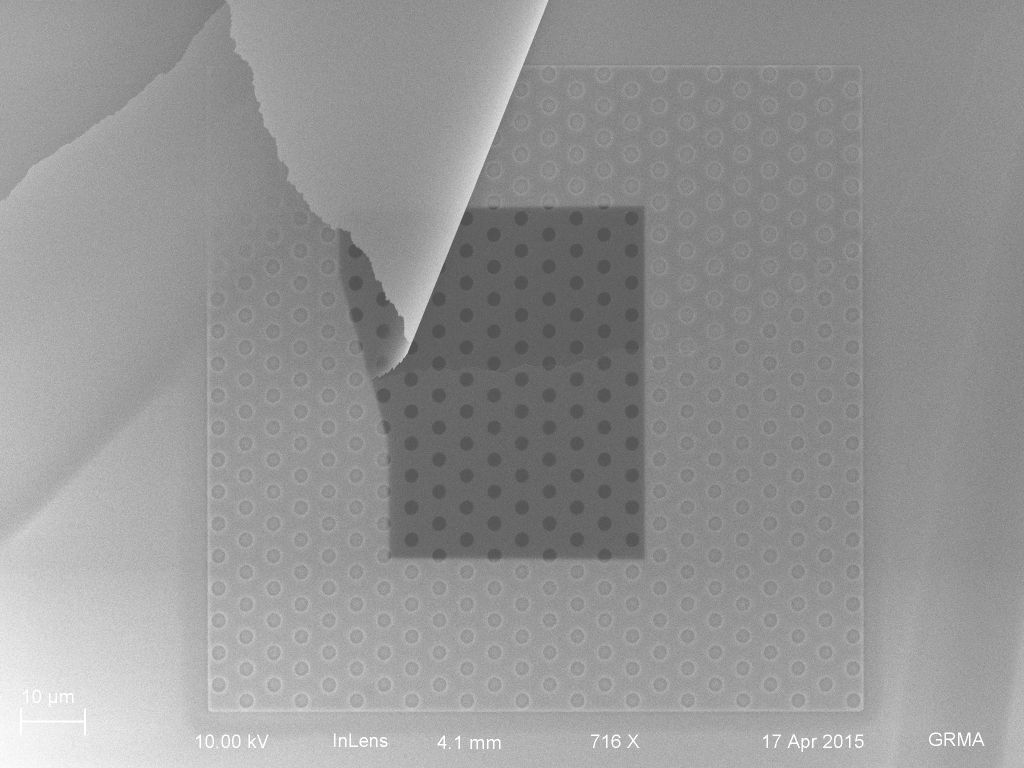
b) 2 micron holes

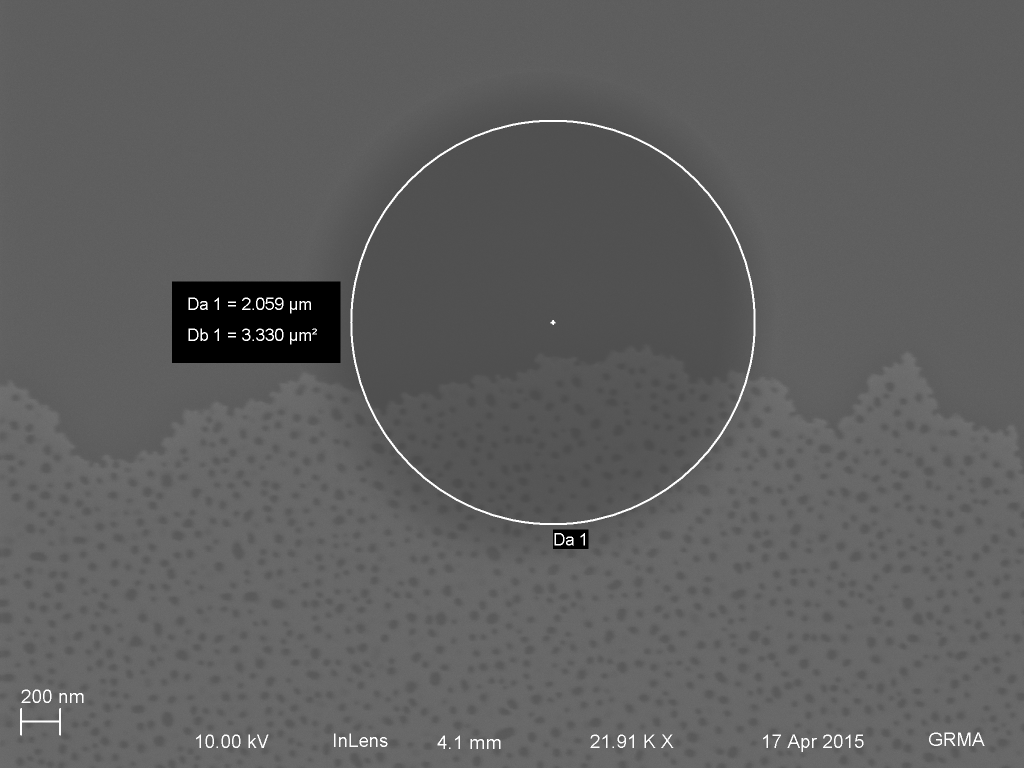
c) 3 micron holes


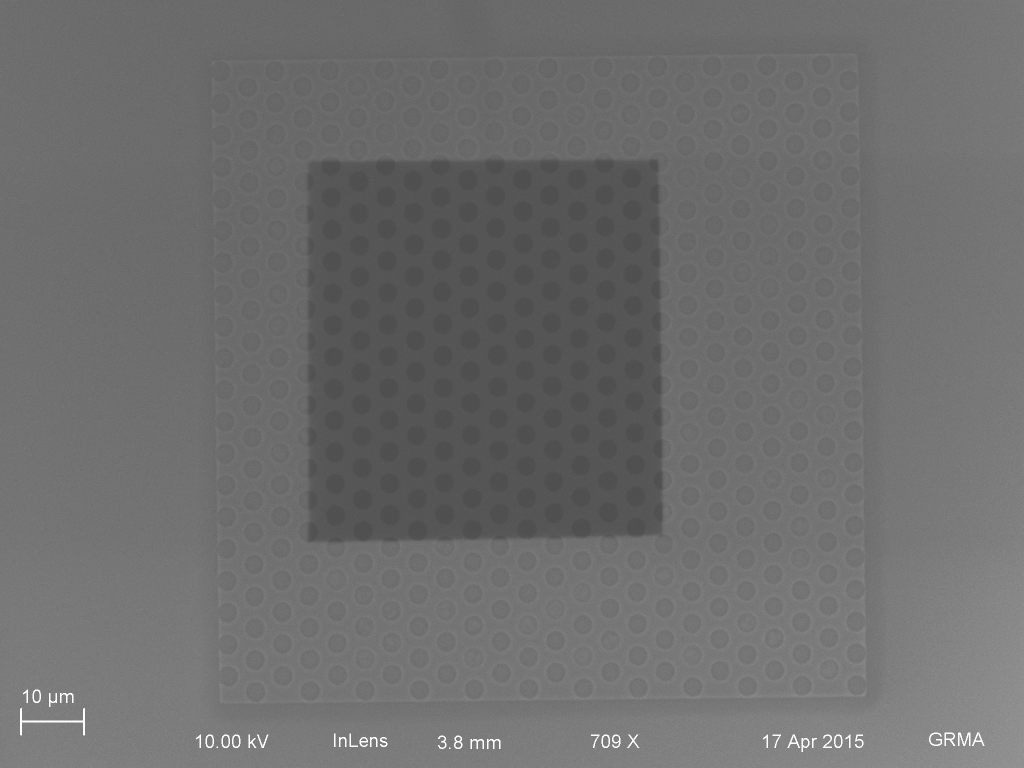
5 micron posts
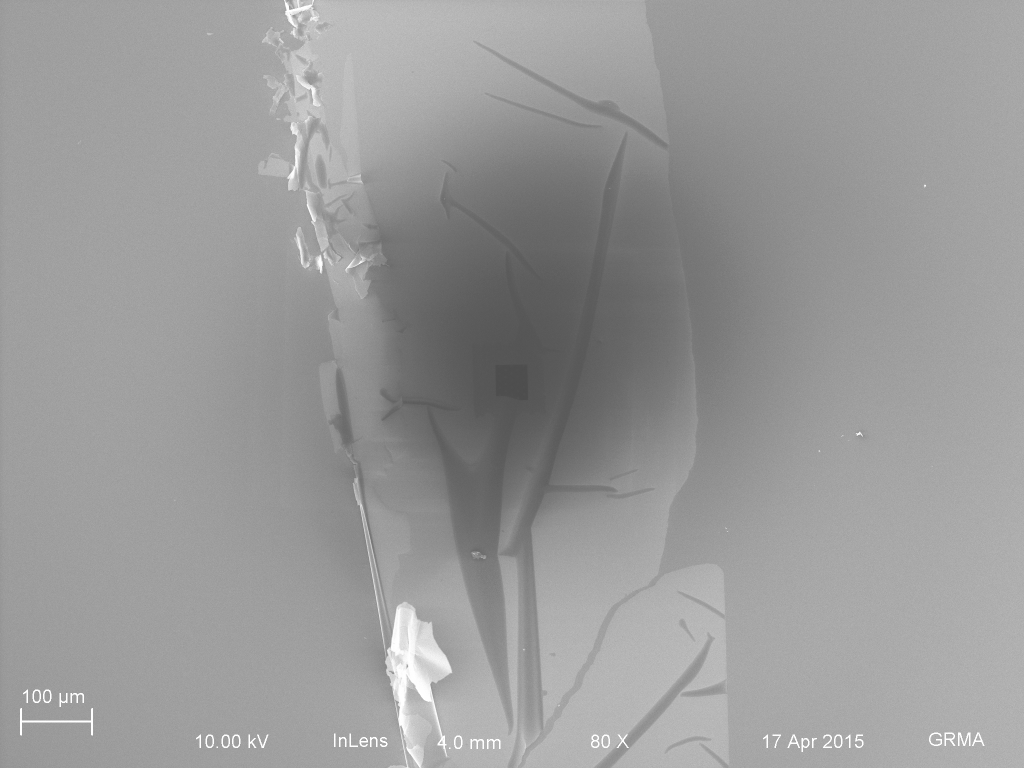
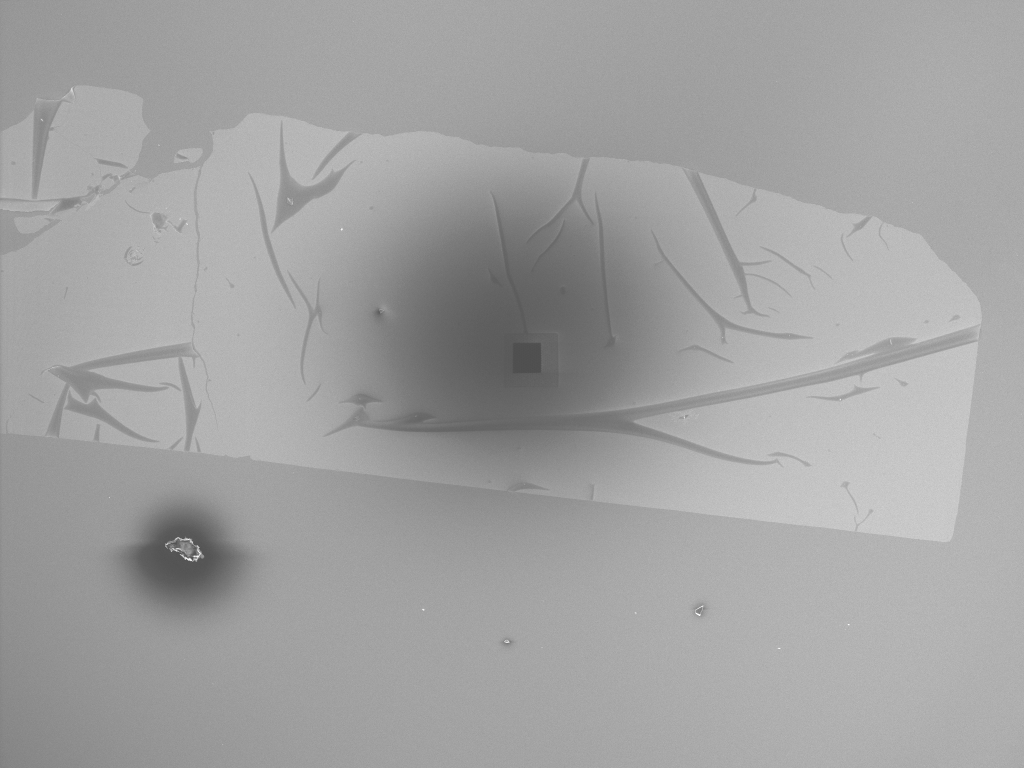
Macroscopic View. Wrinkle is passing through the active area.
The posts appear to be suspending the nanomembrane everywhere. The defocused posts are a result of the nanomembrane wrinkling and not making contact with the posts in that area.
The posts appear to be suspending the nanomembrane everywhere. The defocused posts are a result of the nanomembrane wrinkling and not making contact with the posts in that area. 


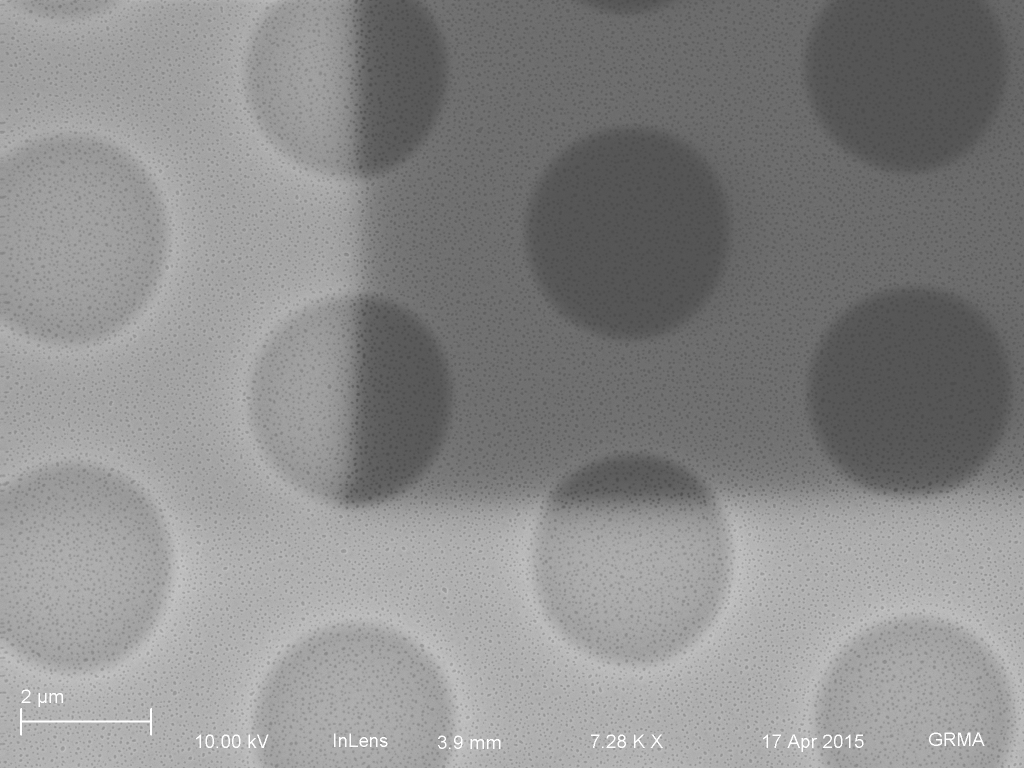
2 micron holes

I was fortunate to get a tear in the central part of the membrane, allowing comparison between tented and non tented holes.
A partially tented material sags down to the bottom of the hole.

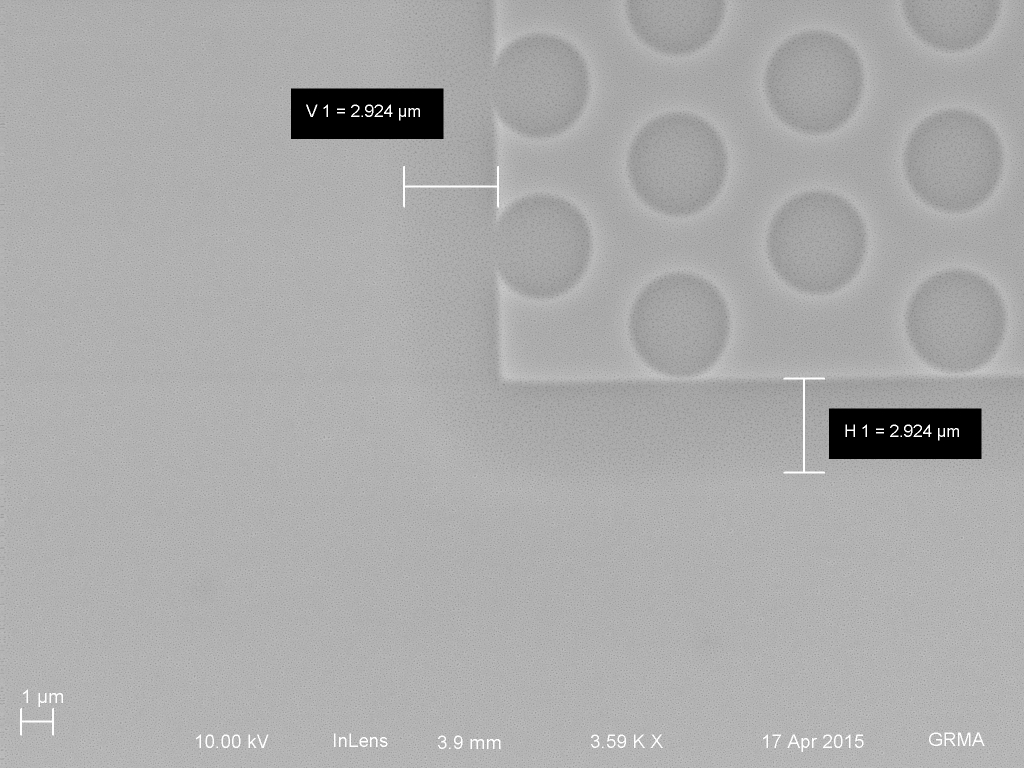
3 micron holes

choles02

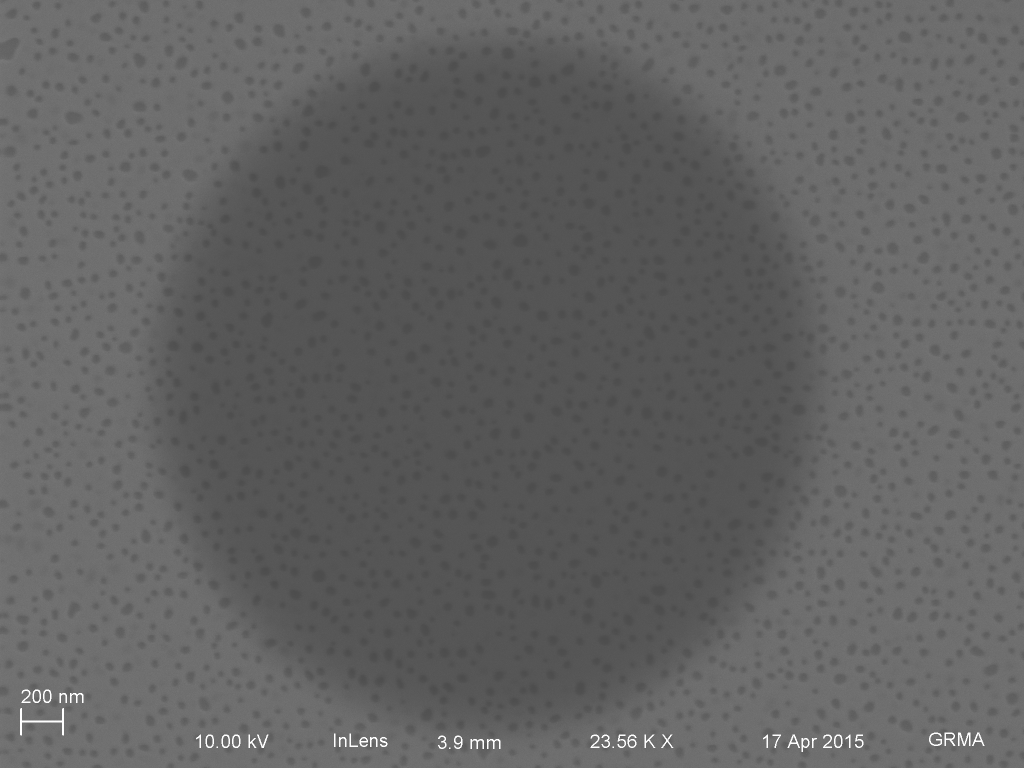
The best produced tented nanomembrane structure.
The tenting distance is about 3 microns.
Many nanopores are present in each well.
Active area and non-active area regions are continuous.

The volume in each hole is on the order of 0.1 femtoliters. The next problem to tackle will be wetting the tented structure.

Similar Posts

One Comment

  1. try flooding the structure with CO2 gas (100%) at the bottom of a closed chamber. If you wet the structure in this environment using a bicarbonate buffered medium and remove from the CO2 atmosphere the CO2 trapped in the tented structures should follow the equilibrium into solution via the nanopores, evacuating space which will try to draw the liquid through the membrane. A little surfactant may help, which you could dialyse out easy enough.

Comments are closed.