Wound Maker
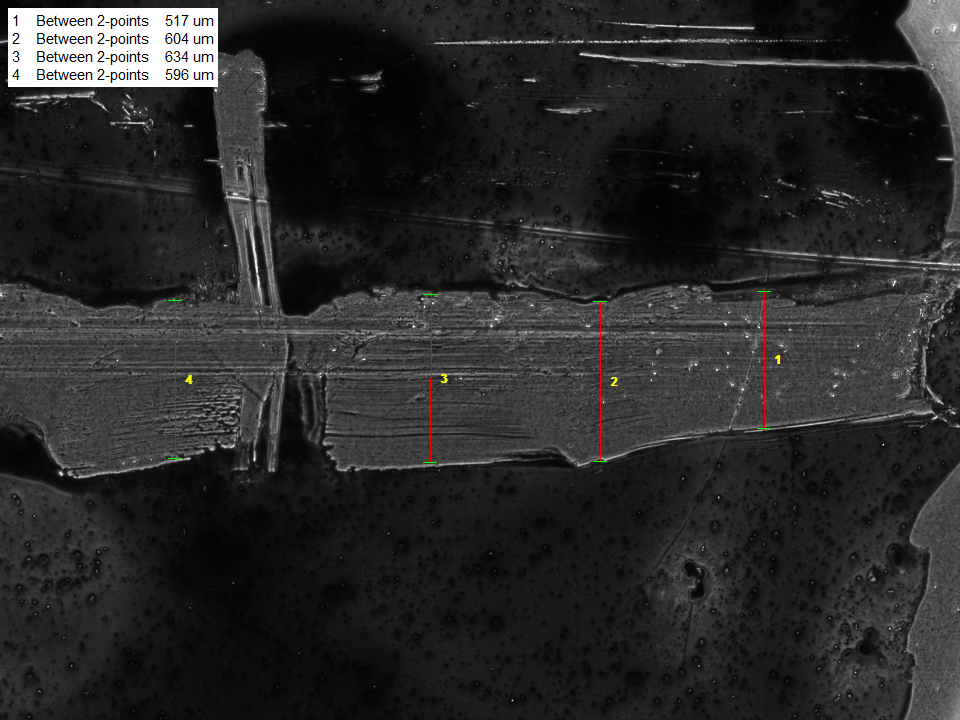
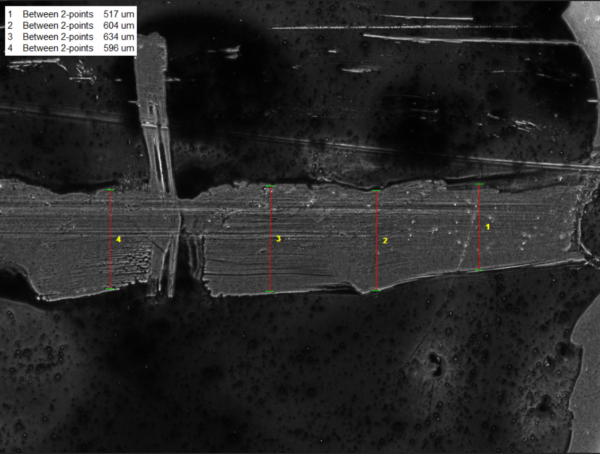
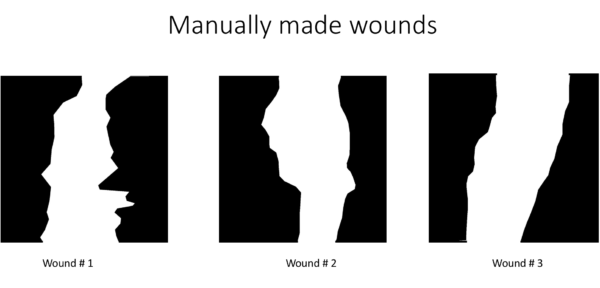
The purpose of this device is to make uniform and straight scratch wounds in a 96 and 24 well plate for migration experiments. Previously, scratch wounds were made by hand using a p-10 pipette tip by scraping the tip in a straight line along the bottom of the well. Not only is manually scratching the wounds time consuming, but also resulted in inconsistent wounds that affects data analysis. Binary images of typical wounds made by hand are shown below:
The engineering requirements for a proposed wound making device was a structure that would hold the pipette tip(s) and welled plate at a fixed height from each other that also restricted motion to the y-axis so the wounds would be straight. Additionally, the device needed to hold multiple pipette tips, so all wounds were made simultaneously to limit well-to-well discrepancies.
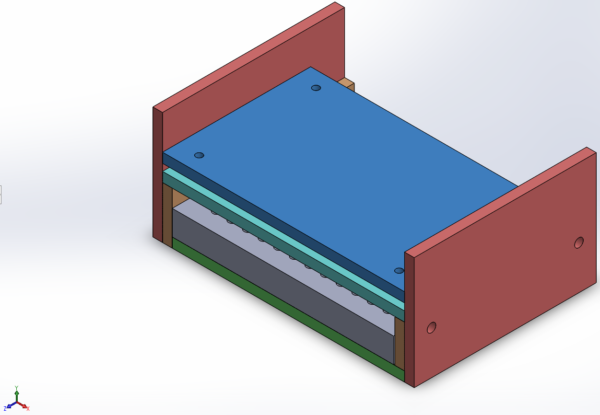
The resulting CAD model and each of its layers that fulfill these engineering requirements is as follows:
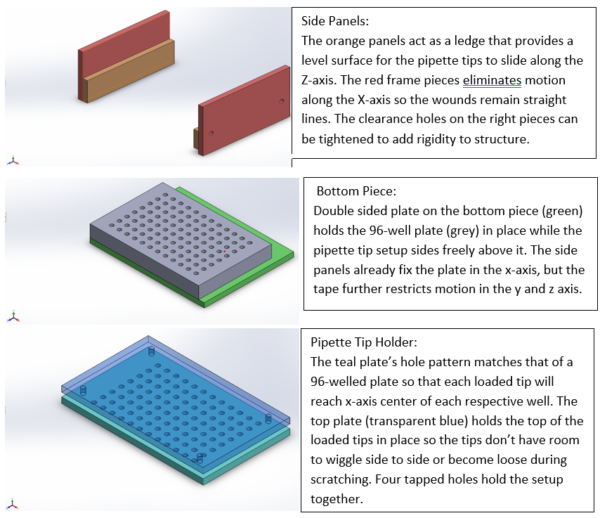
Layers of Device
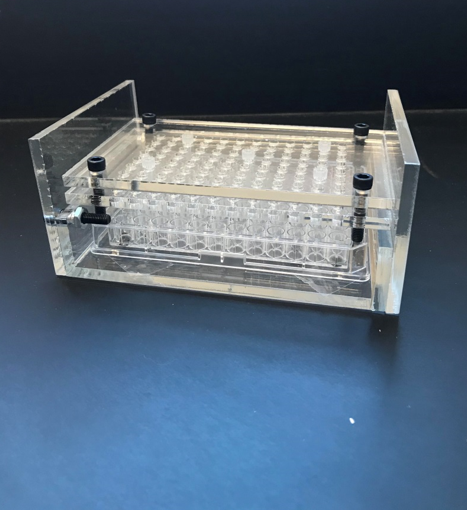
The actual device is as pictured below. Each piece is acrylic that was cut using a laser cutter and bound together with strong adhesive, double sided tape.
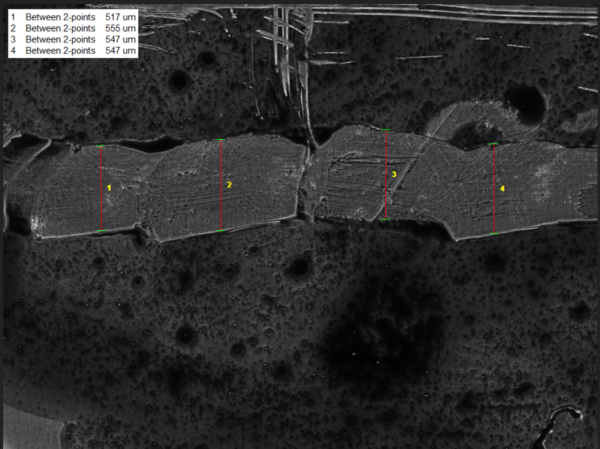
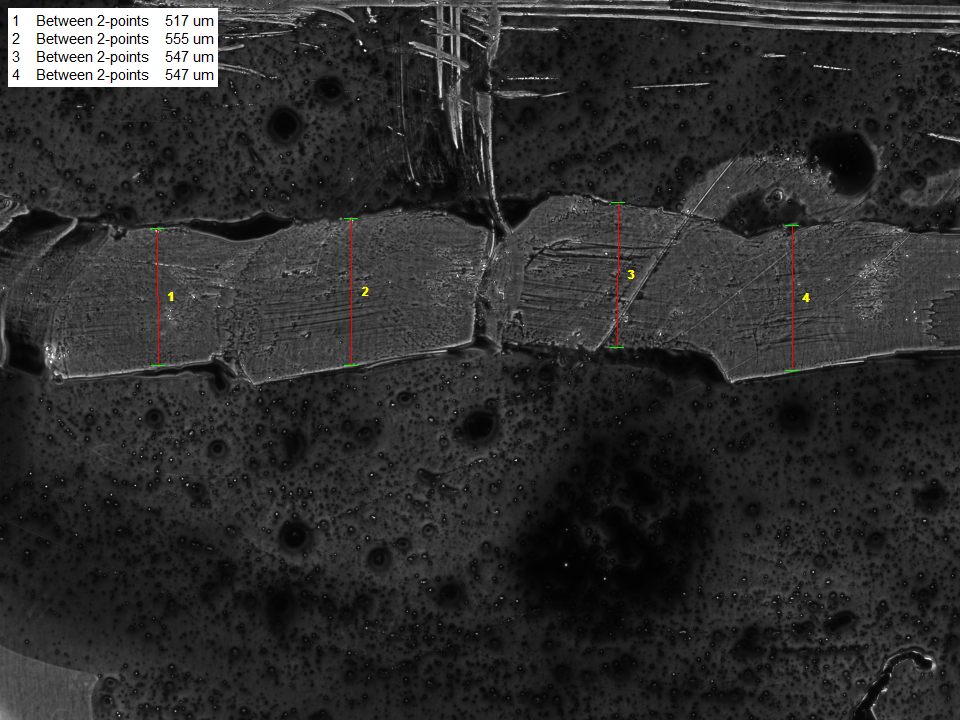
Wounds made using wound-maker: