Wastewater Separation via Tangential Flow Filtration.
Thanks to Dan Ahmad for performing the filtrations.
Introduction
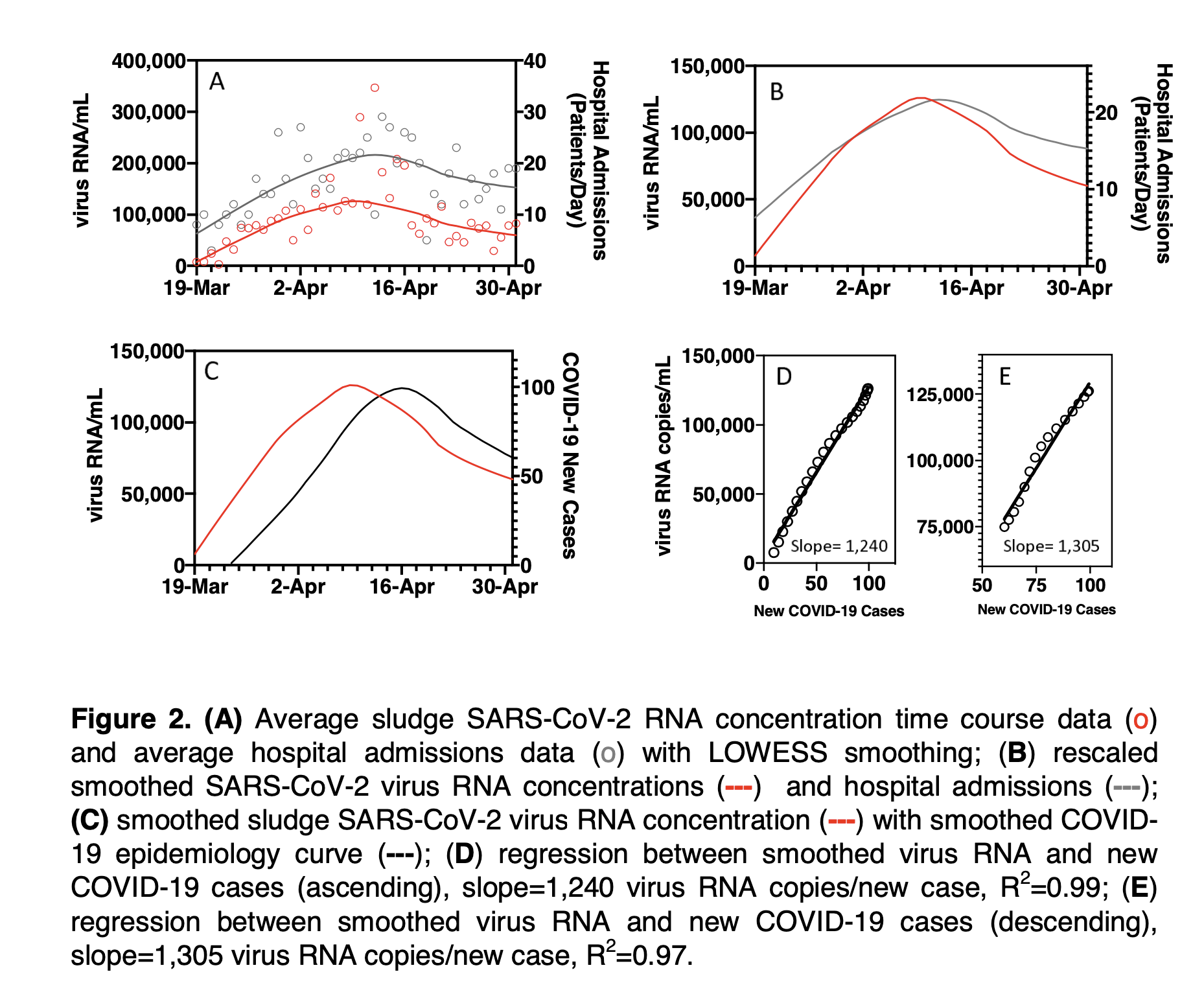
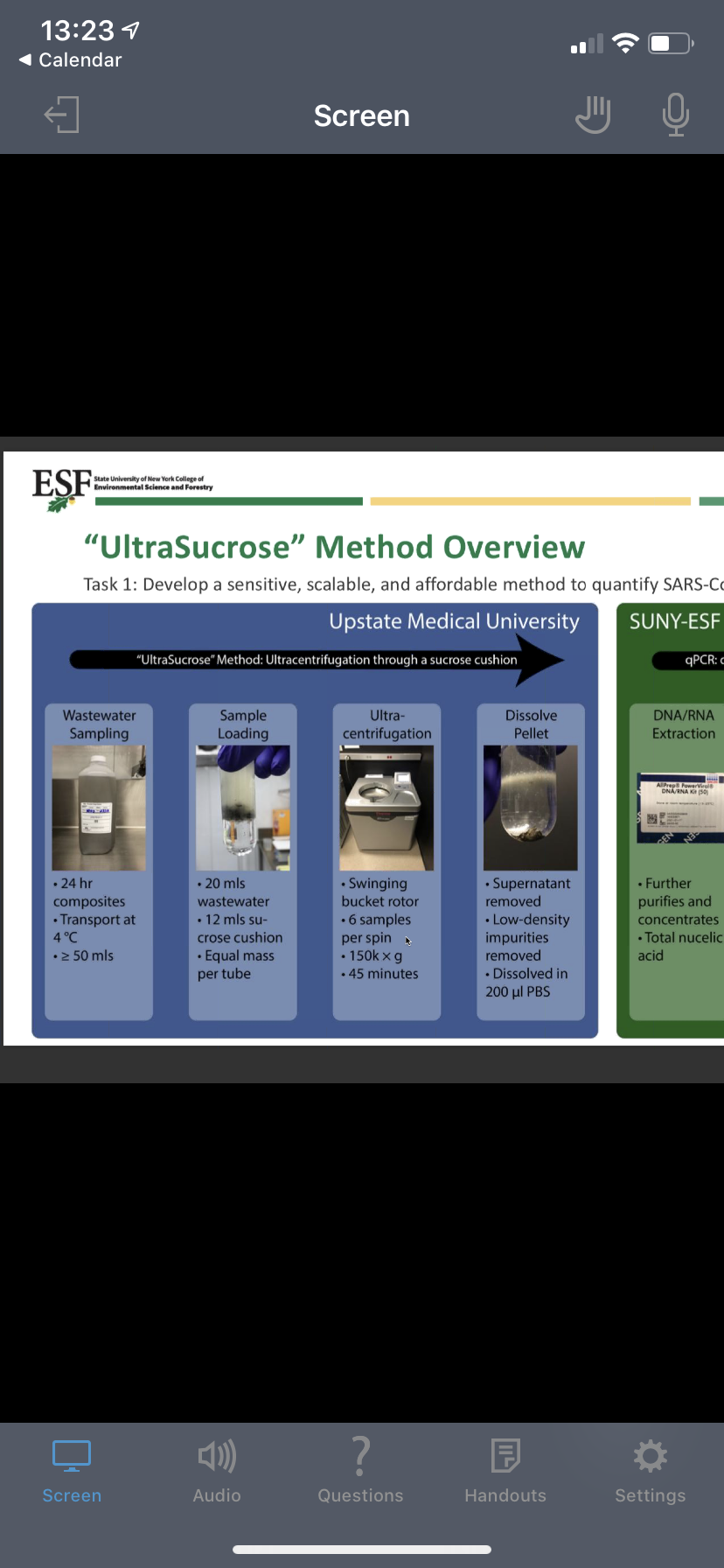
I want to see if we can improve the sample preparation method for the recovery of SARS-COV-2 from wastewater filtration using our nanomembrane technology. Currently, raw samples are ultracentrifuged against a sucrose cushion to create a pellet that can be used with a RNA extraction kit, with qPCR being the total endpoint. Ultracentrifugation is a choke point for processing lots of samples, but the researchers use it because this sample preparation workflow gives them the highest quality result. Tangential flow filtration would be a more scalable method, but previous attempts did not allow them to recover sufficient amounts of virus. It’s not exactly known where from where in the wastewater the virus is located, but sewage is thought to be a harsh environment to the virus floating around. We were able to get three samples from Monroe county that were also being passed onto Dave Larsen’s group at Syracuse, which were later tested using their current methods (1-10 copies/mL detected, or non-detects). I’m hoping to see that we can efficiently create samples for qPCR by either concentration of a pellet or separation of the filtrate.
Paper on Sewage Monitoring for COVID-19
Methods
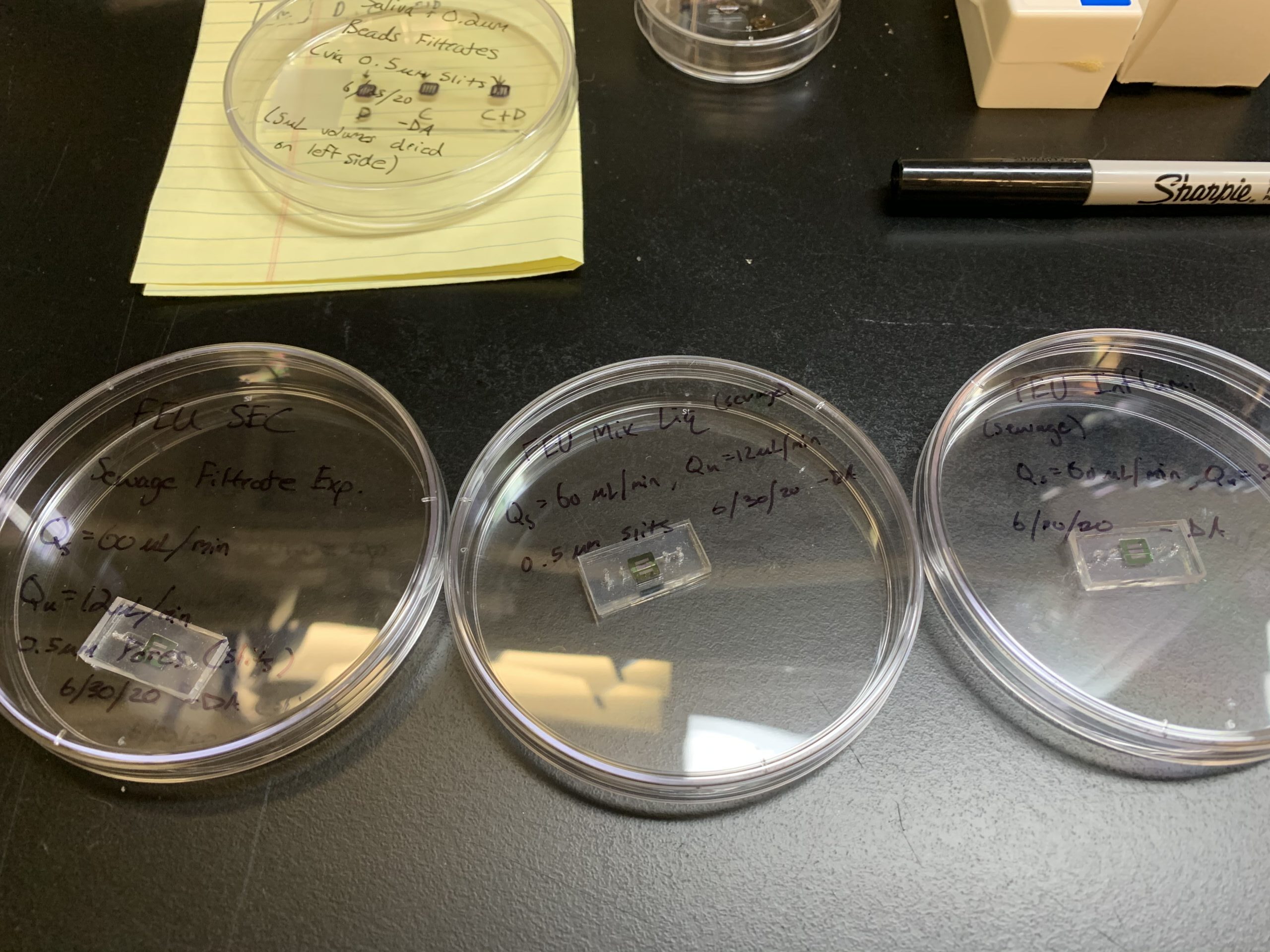
- Use a Sepcon chip (0.5 um slits, central window) in tangential flow filtration
- Syringe pumps used to establish flow rates
- Supply Rate = 60 uL/min
- Normal rate = 12-30 uL/min
- Filtered 1000 uL, recovered 200 uL
Sample Images
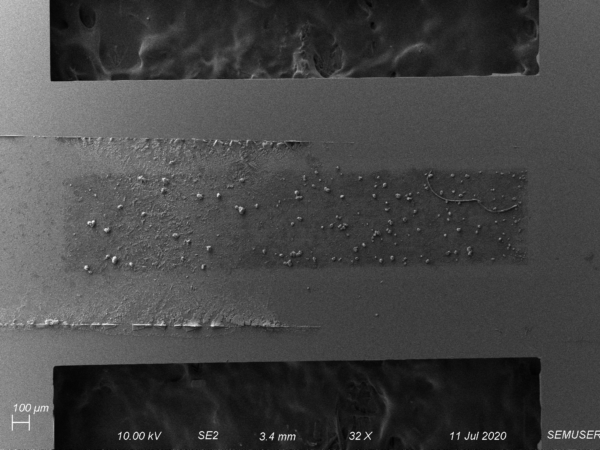
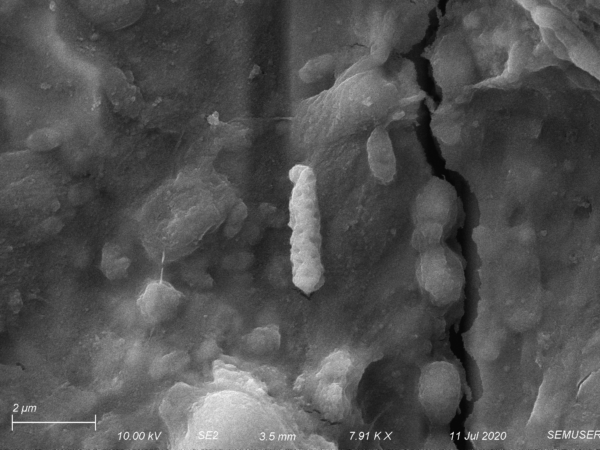
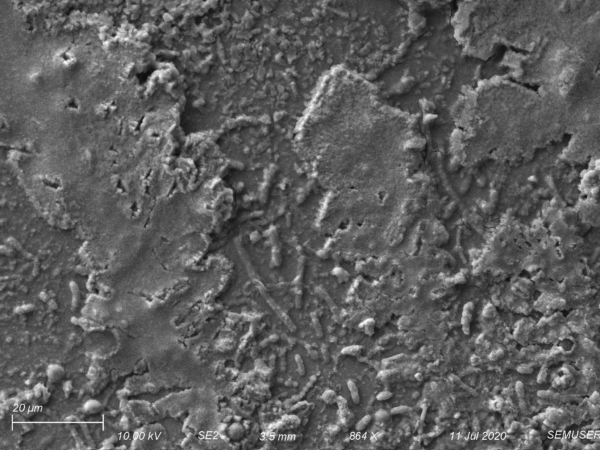
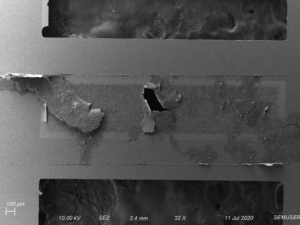
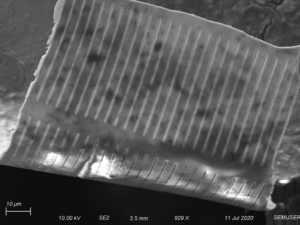
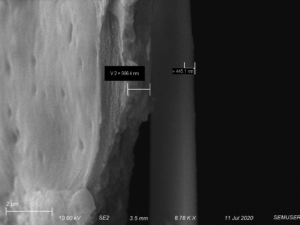
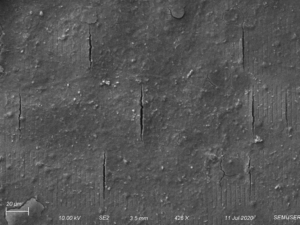
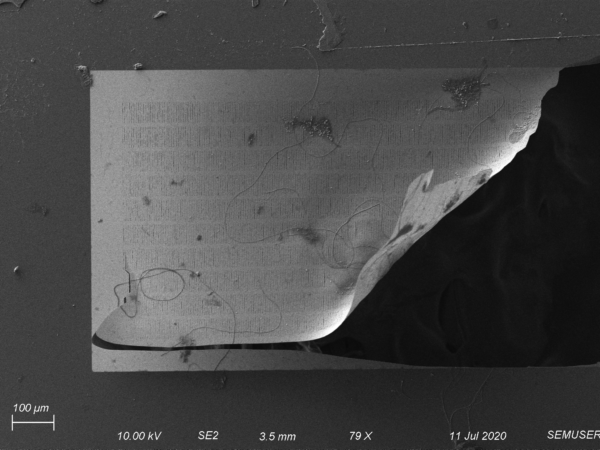
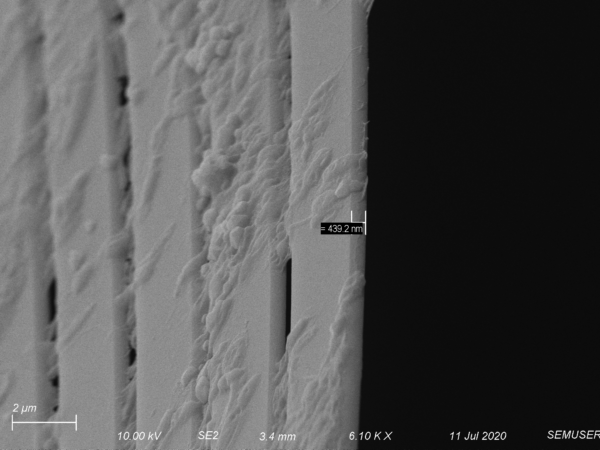
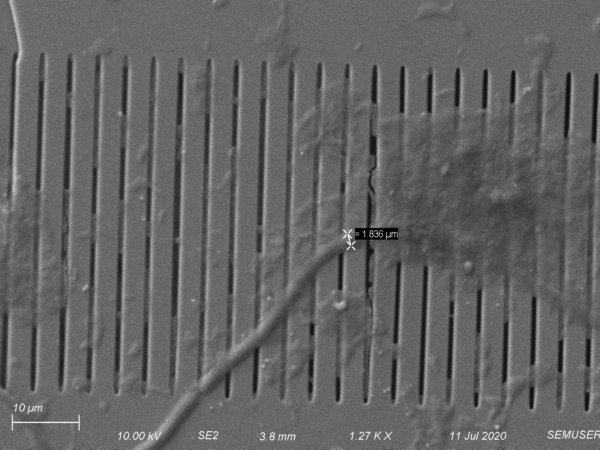
We will need to try and evaluate by PCR with a more enriched sample. The different cakes may permit different levels of filtration. For example, it would be easier to push 10 mL of Secondary EFF through these membranes, but the Primary sample would be saturated well before that volume was reached. These samples could have been created in about 10-20 min given the right preparation, and the TFF method is much more scalable than the 6x samples that could fit in an ultracentrifuge.
If I’m understanding this correctly, I think the most important result is that you convert 20% of the sample to a filtrate by tandem TFF whereas centrifugation produces 1% with more steps. So if the RNA yield goes up accordingly, we may have something. I’m a little less clear on scale up with our membranes, put possibly. SiMPore has designed a stirred cell set-up that might do the trick.